A daily read for AI infrastructure operators.
AI news from the GCC, MENA, open source and China: translated every morning into the real bottlenecks of running GPUs on your own hardware.

What is sovereign AI?
A practical guide to keeping data, models, compute, operations, and governance under organizational control.
8 min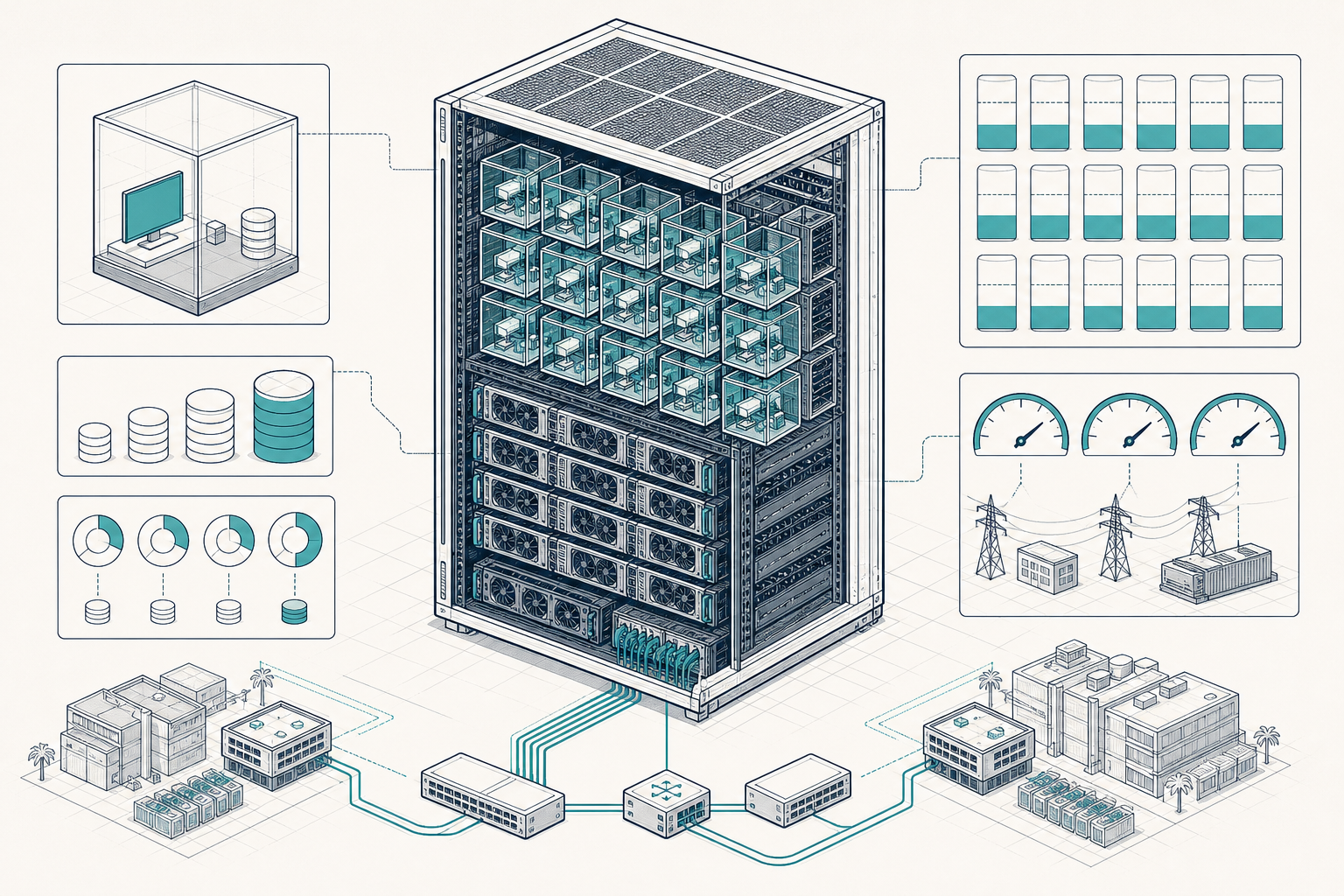
Daytona funding points to agent cloud scheduling
Daytona raised $60 million at a $1 billion valuation. For smaller GPU estates, agent sandboxes turn utilization into a tenancy and scheduling problem.
11 min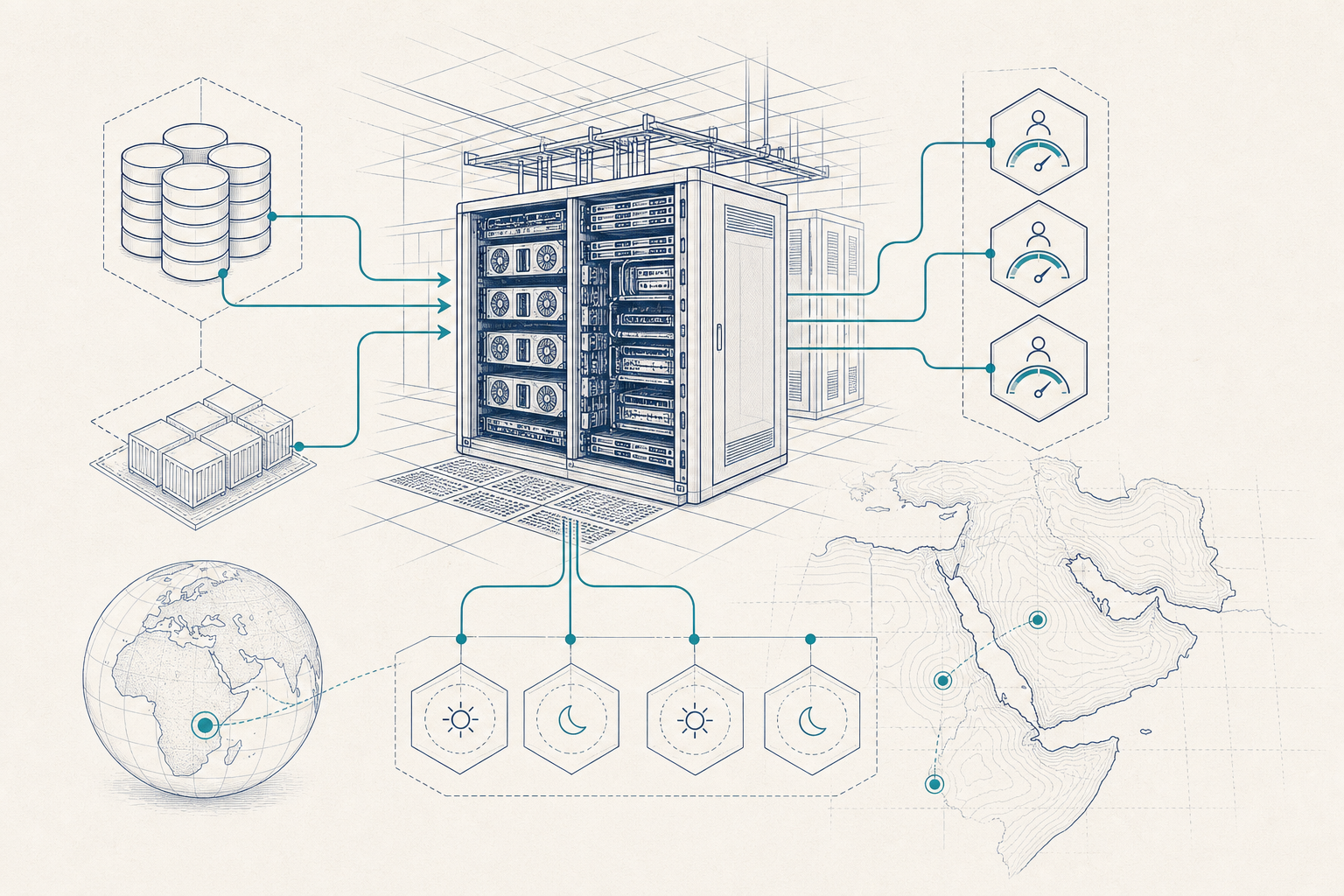
Nebius Inferize Deal Puts Cold Starts on the Bill
Nebius buying Inferize makes model load time an operator metric. For MENA GPU estates, cold starts affect quotas, storage, power, and chargeback.
13 min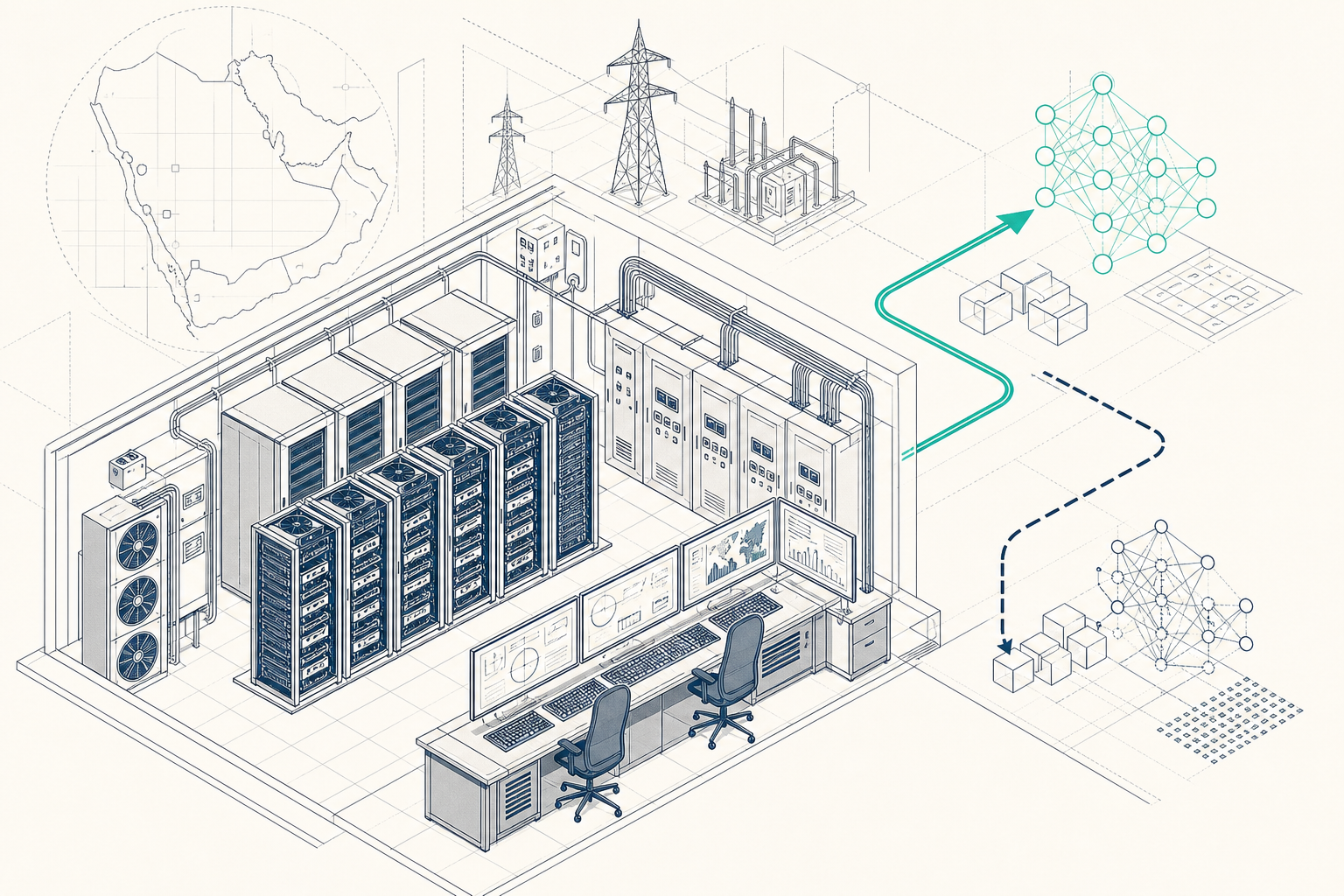
Open models make GPU estates an operations problem
TechCrunch Disrupt 2026 put open versus closed AI and hardware design on the agenda. For GCC operators, the choice lands in drivers, quotas, metering, and serving.
12 min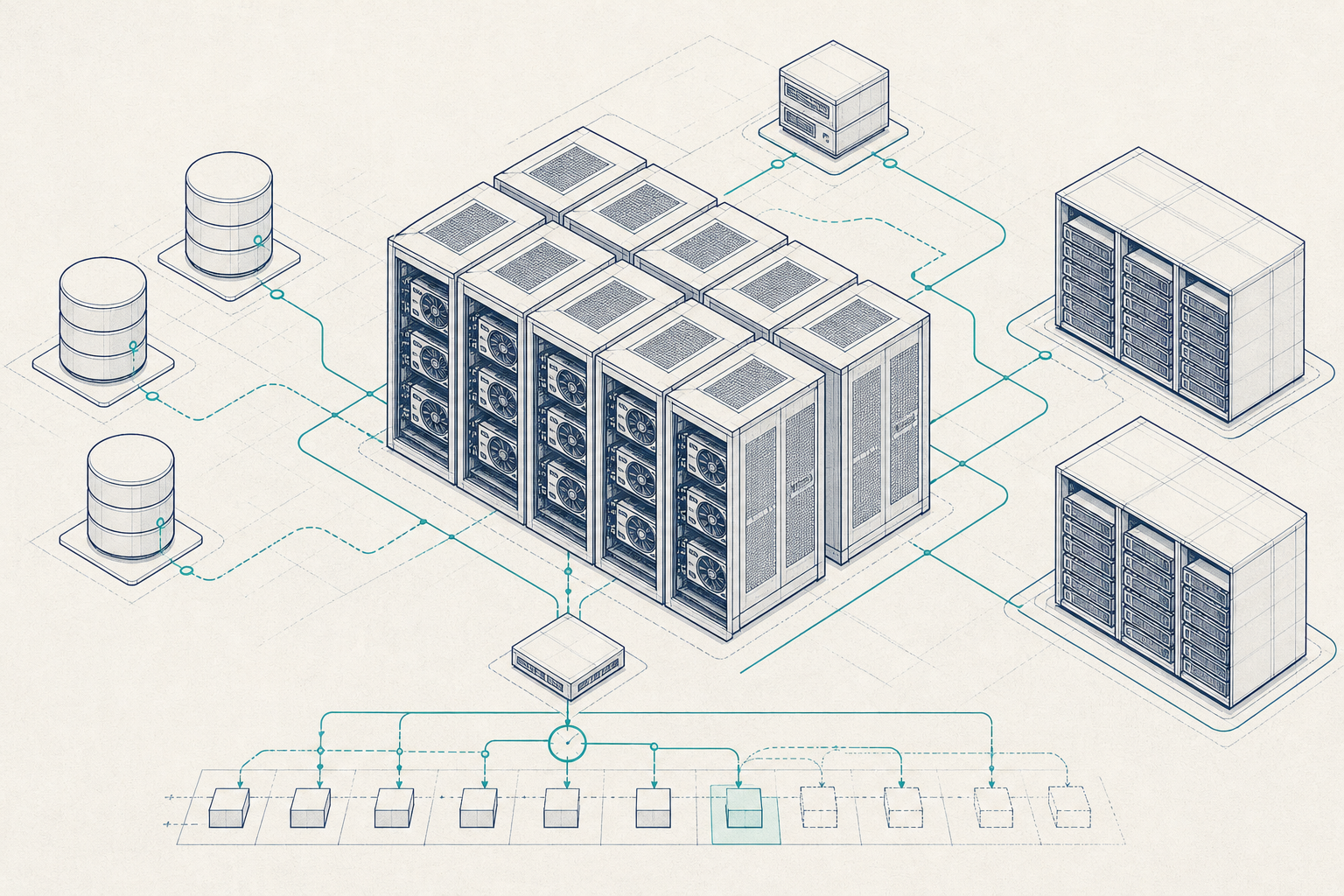
CedarDB and the agent database bottleneck
CedarDB's Battlefield pitch points to a practical issue for GPU estates: agent workloads can strand accelerators behind databases, storage, and state.
14 min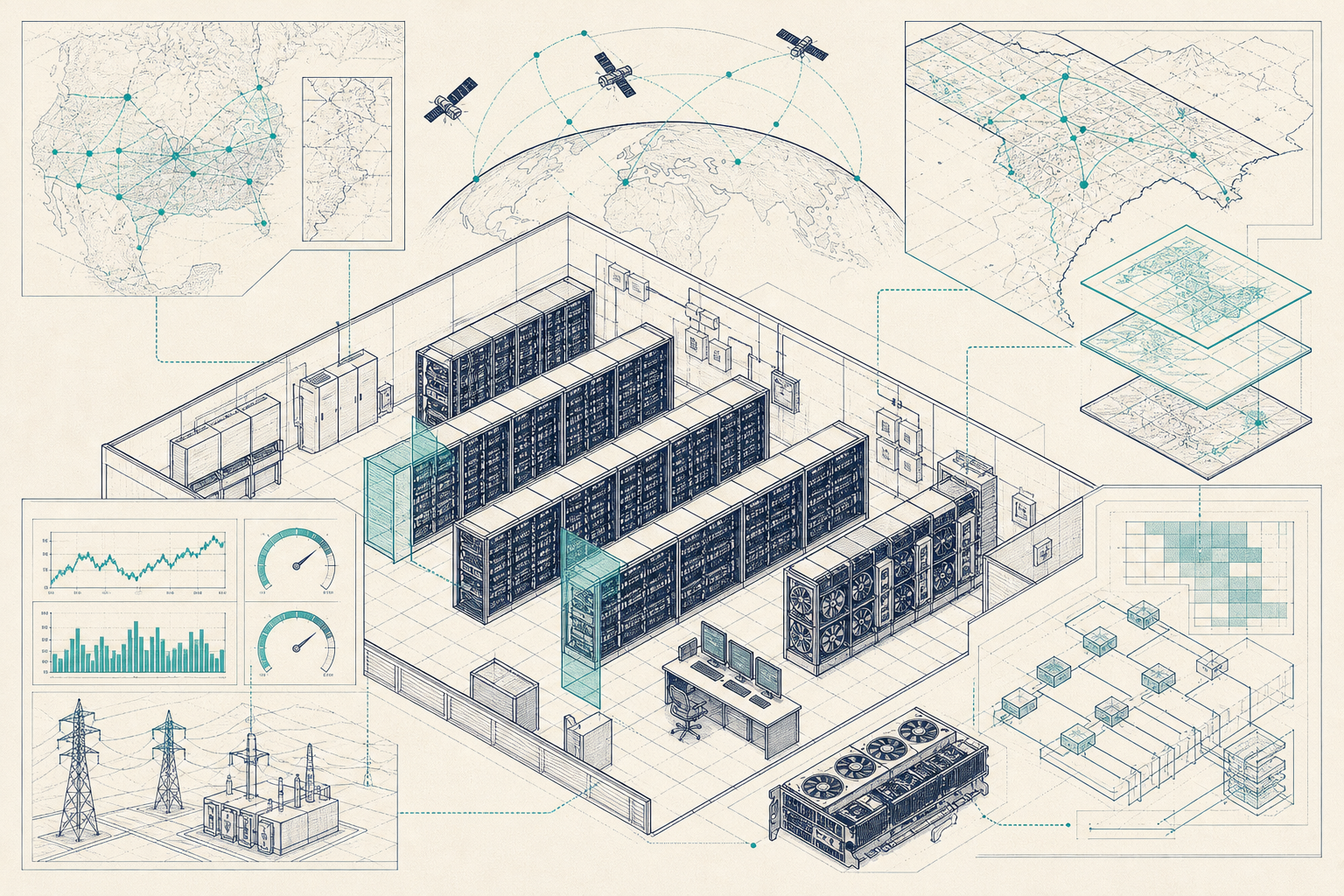
Satlyt puts disconnected GPU scheduling in focus
Satlyt’s orbital compute proposal is a useful prompt for operators running small GPU estates across uneven sites, links, power, and cooling.
14 min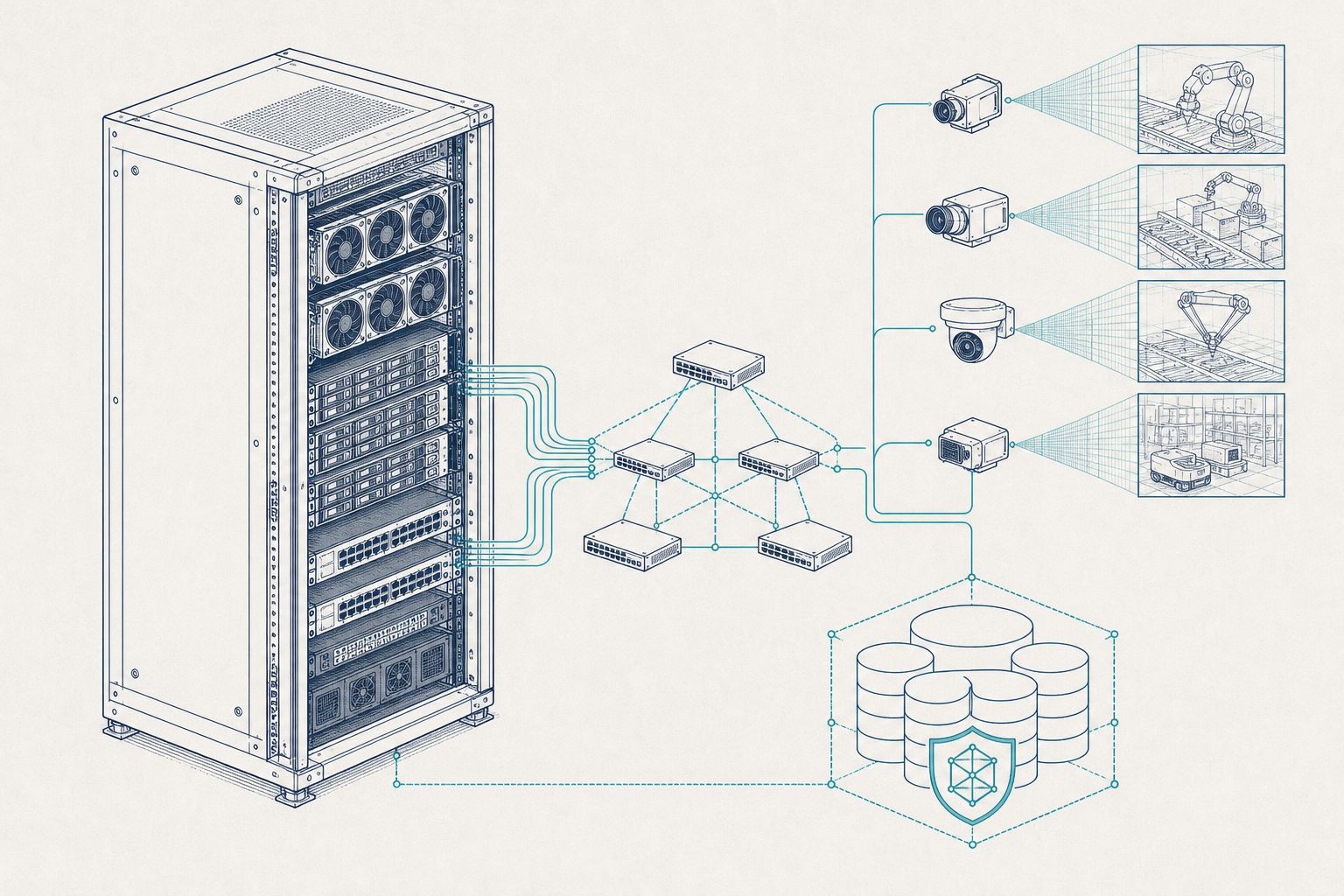
Mecka AI funding puts robot data on the GPU estate agenda
Mecka AI's $60M raise highlights the infrastructure burden behind robot data, from video ingest to sovereign storage and GPU chargeback.
12 min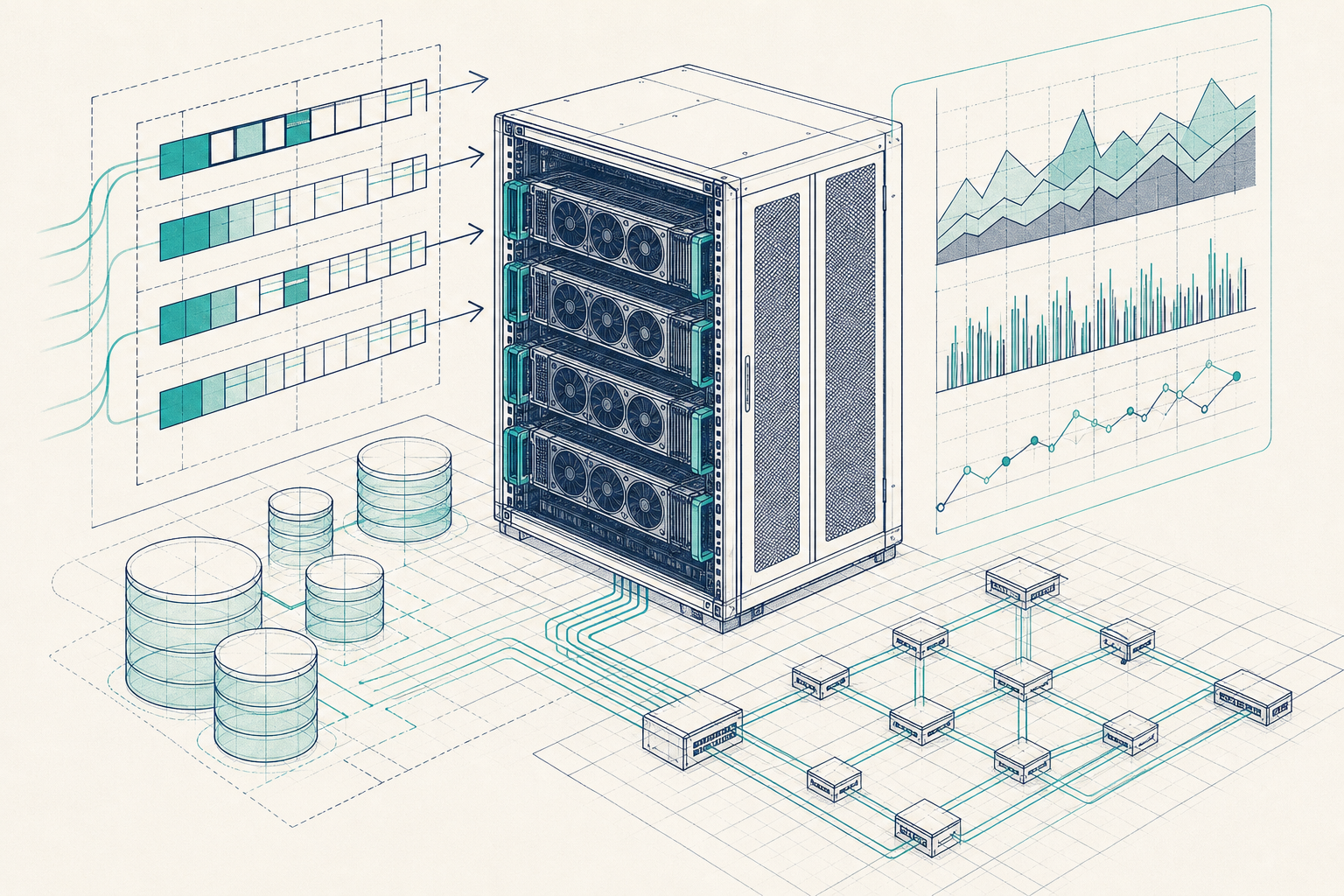
Manus funding puts agent capacity planning on the rack
Manus raised more than $500M after leaving Meta. For small GPU estates, agent workloads turn into a scheduling, state, metering, and quota problem.
12 min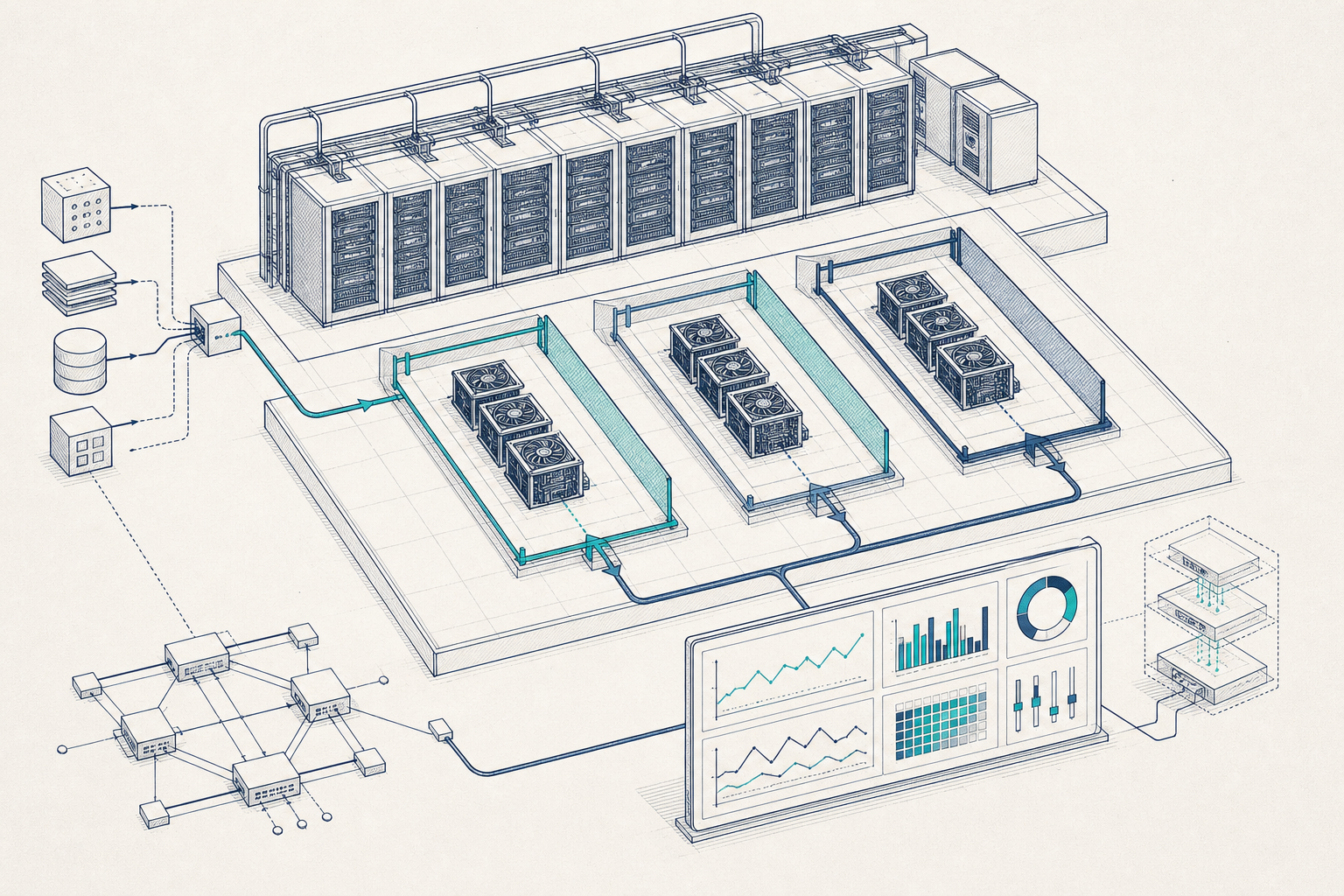
Arena funding makes evaluation a GPU capacity problem
Arena raised $200M at a $3.1B valuation. For GPU operators, model evaluation now needs governed capacity, not leftover inference slots.
12 min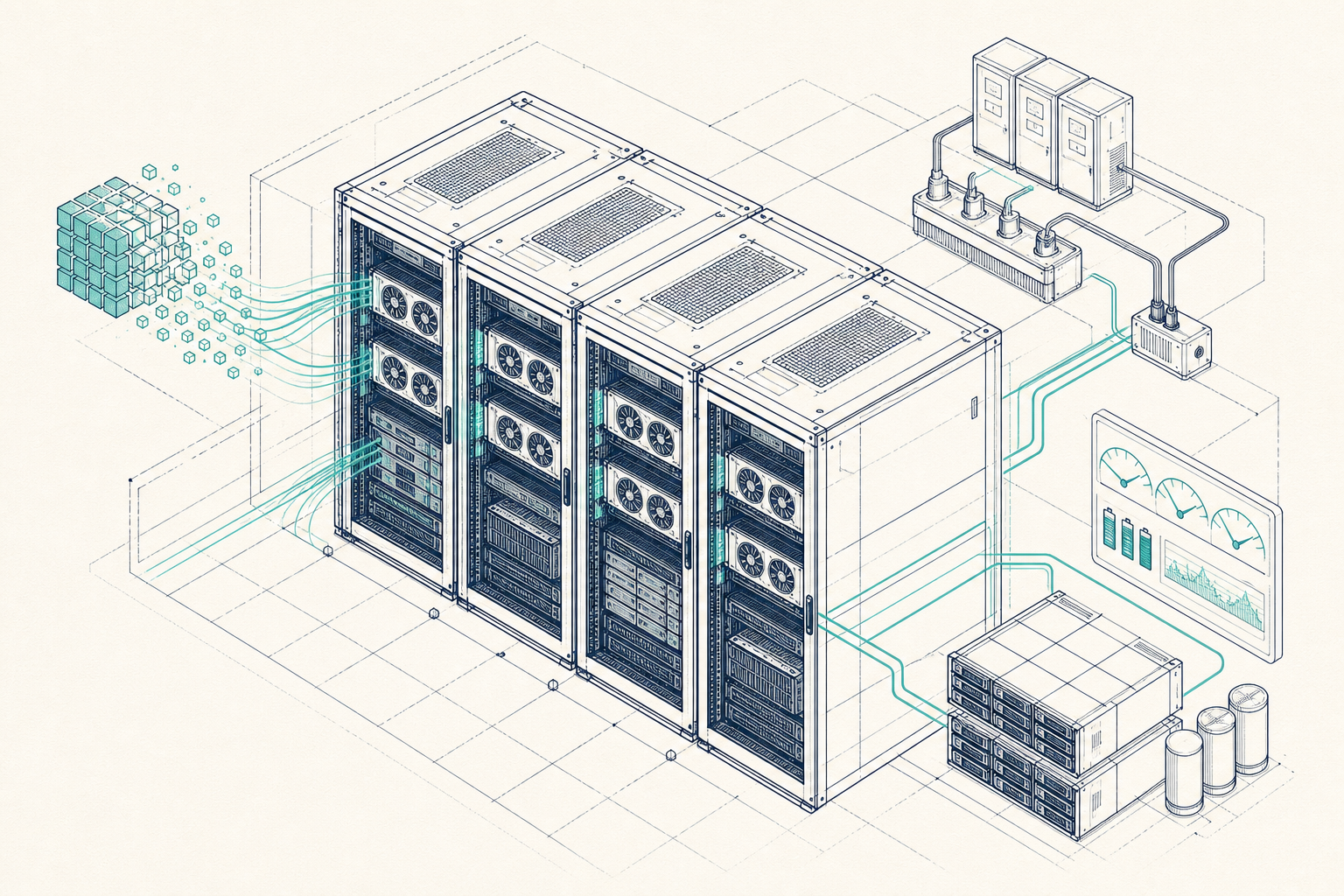
Meta Muse Spark tests local inference economics
Meta’s 816B open-weight model shifts the question from whether it can run locally to whether small GPU estates can serve it economically.
12 min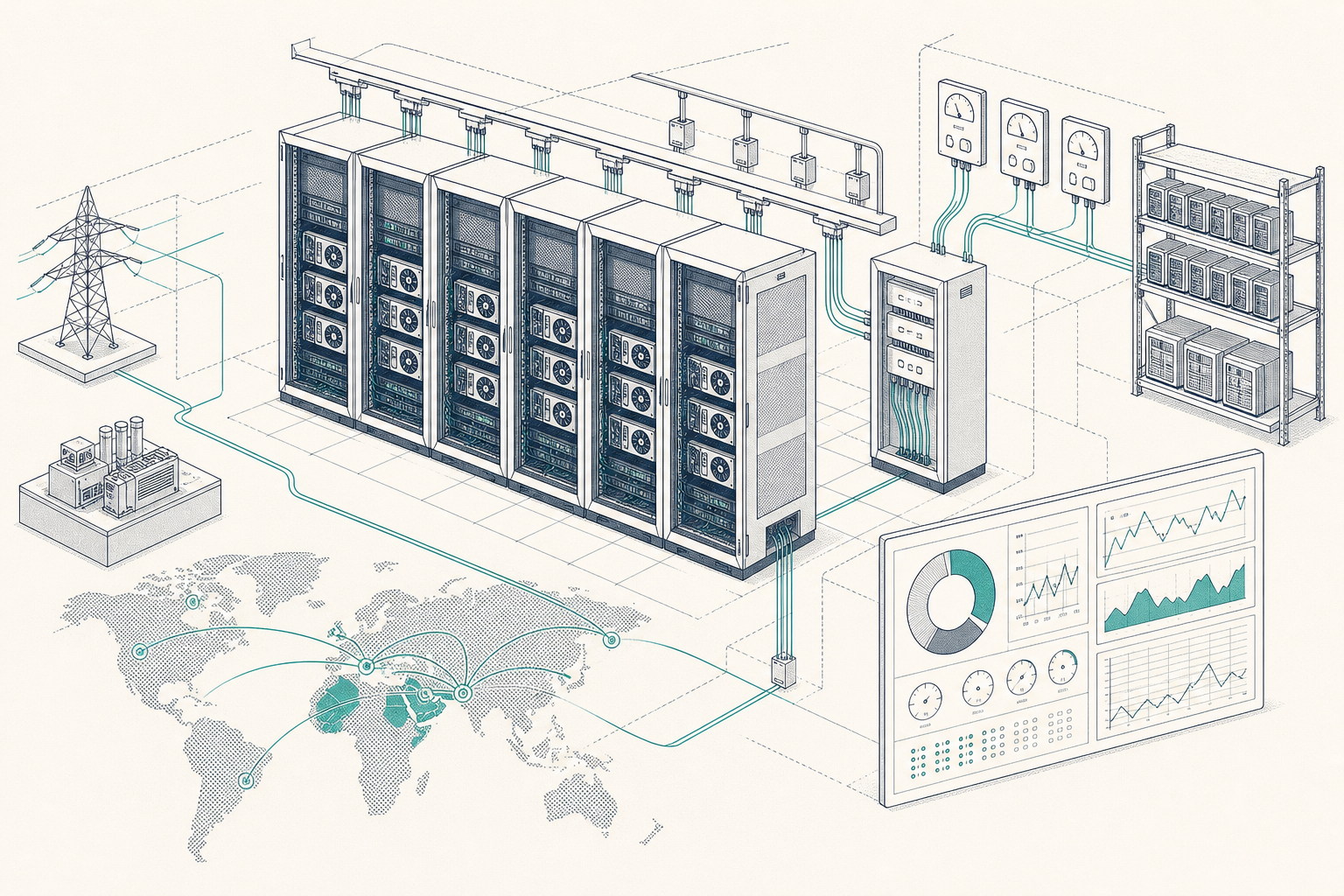
Blackstone Neysa deal highlights GPU estate economics
A $600 million AI infrastructure investment frames the practical bottleneck for smaller GPU operators: utilization, chargeback, power, storage, and burst capacity.
14 min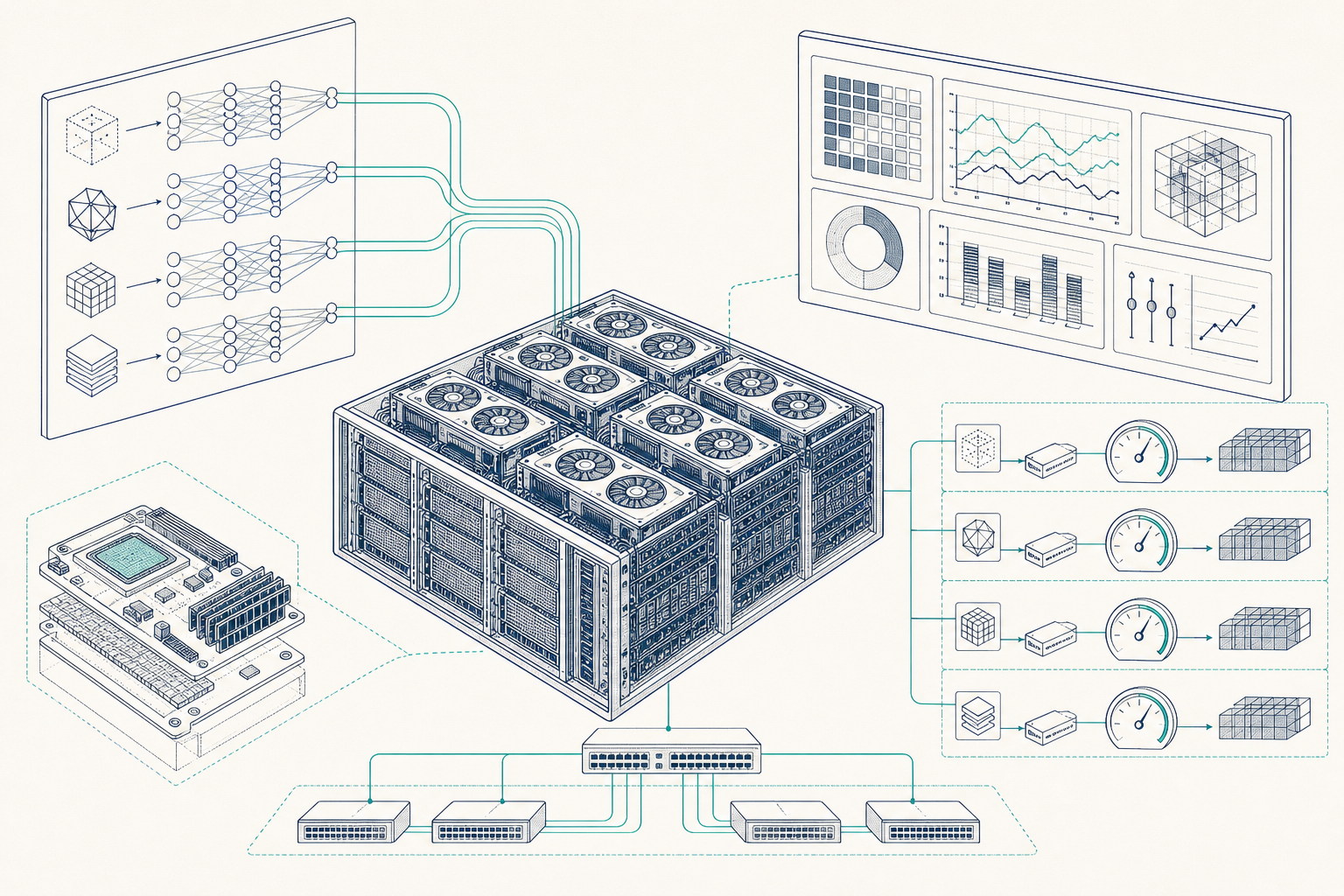
Arena funding puts model routing on the GPU agenda
Arena raised $200 million at a $3.1 billion valuation. For GPU operators, the issue is now multi-model utilization, metering, and quota control.
12 min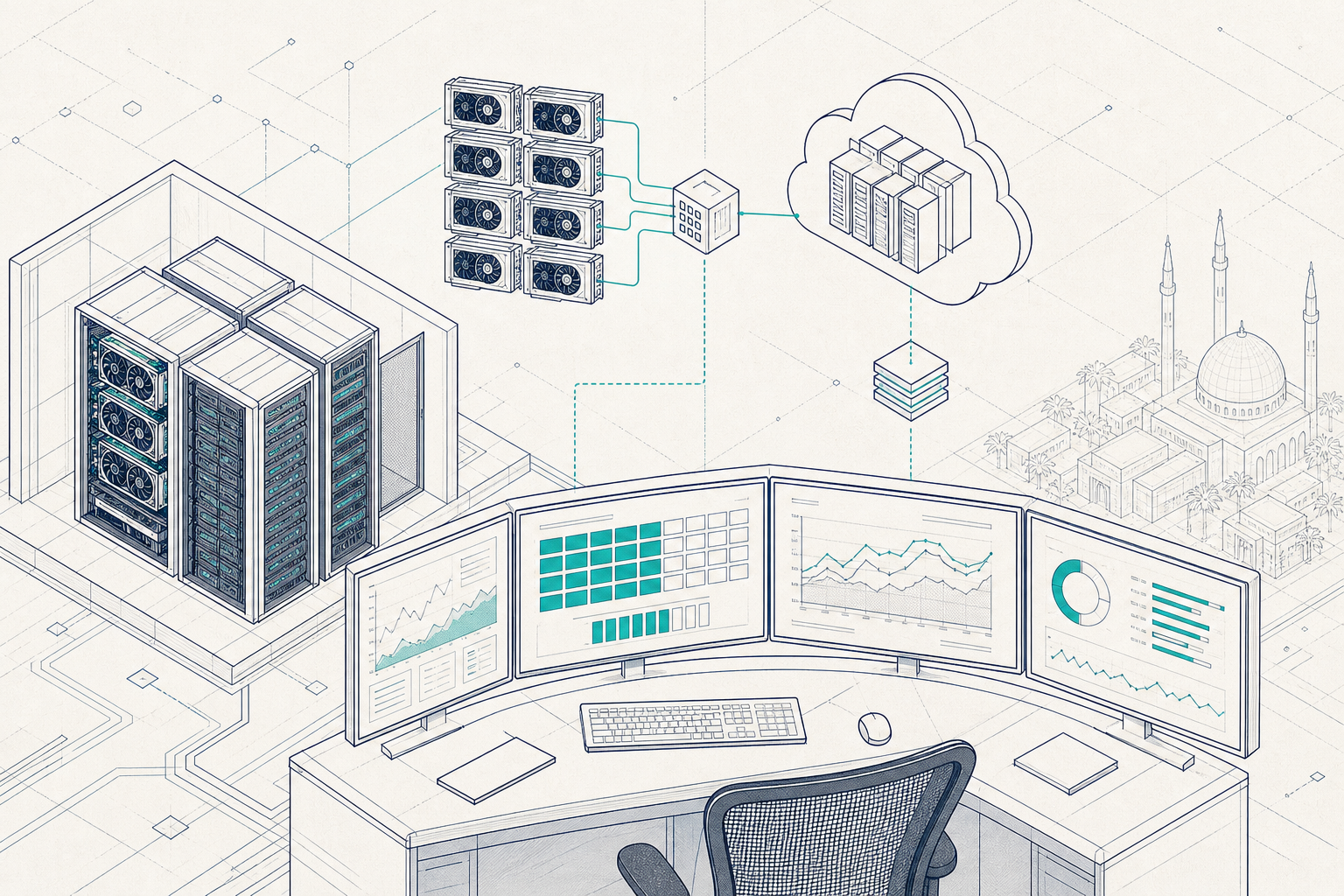
Hosted AI Credits Change GPU Scheduling Math
Anthropic startup credits are a temporary competitor to owned GPUs. Operators need routing, metering, quotas, and residency policy.
12 min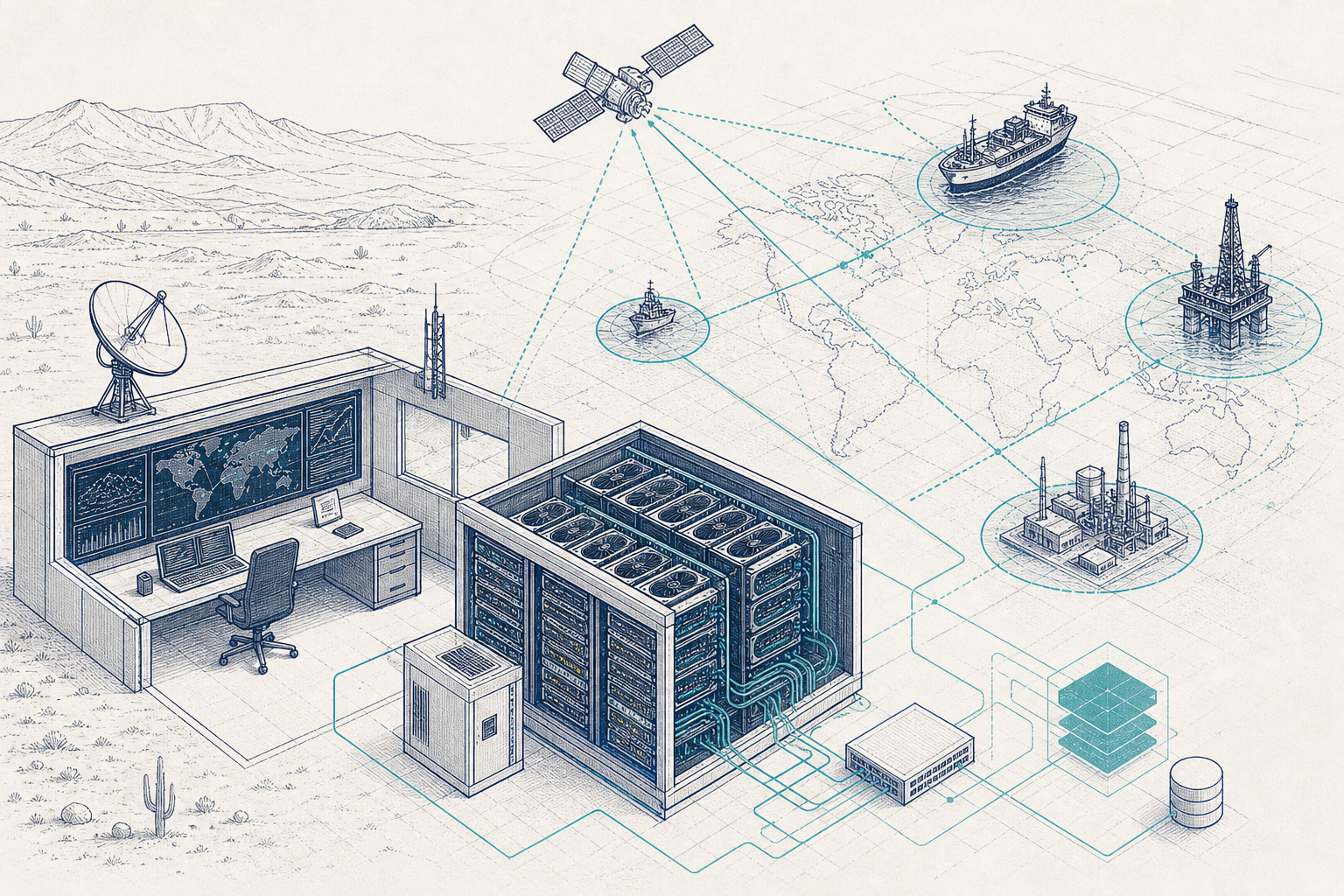
Satlyt funding highlights edge AI placement constraints
Satlyt raised $8 million to coordinate AI across satellites. The same placement problem matters for small GPU estates at remote GCC and MENA edges.
12 min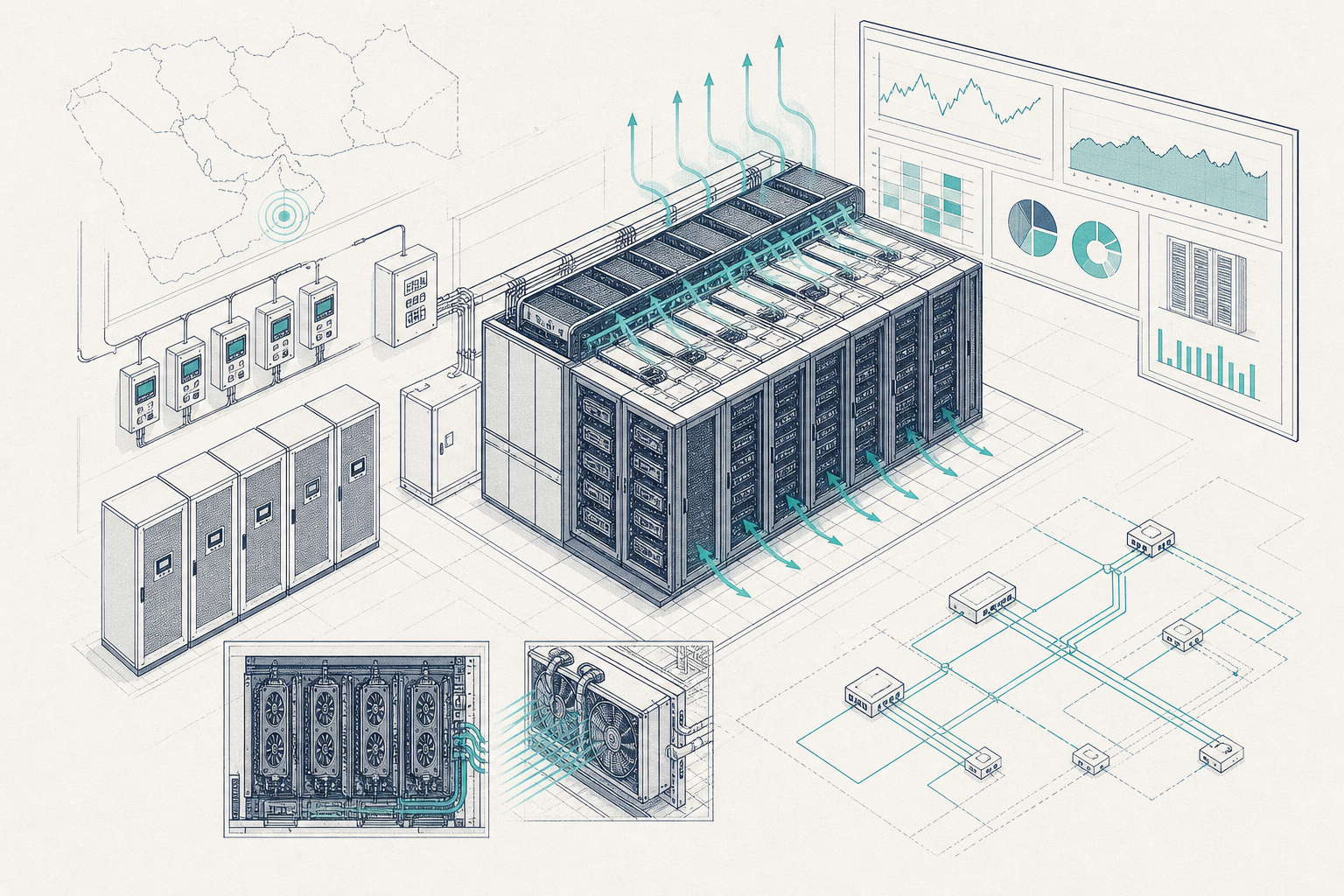
AI Clusters Are Running Into Power Limits
TechCrunch Disrupt framed AI growth as a power, cooling, and grid problem. Small GPU estates need rack-level controls before procurement becomes the easy part.
13 min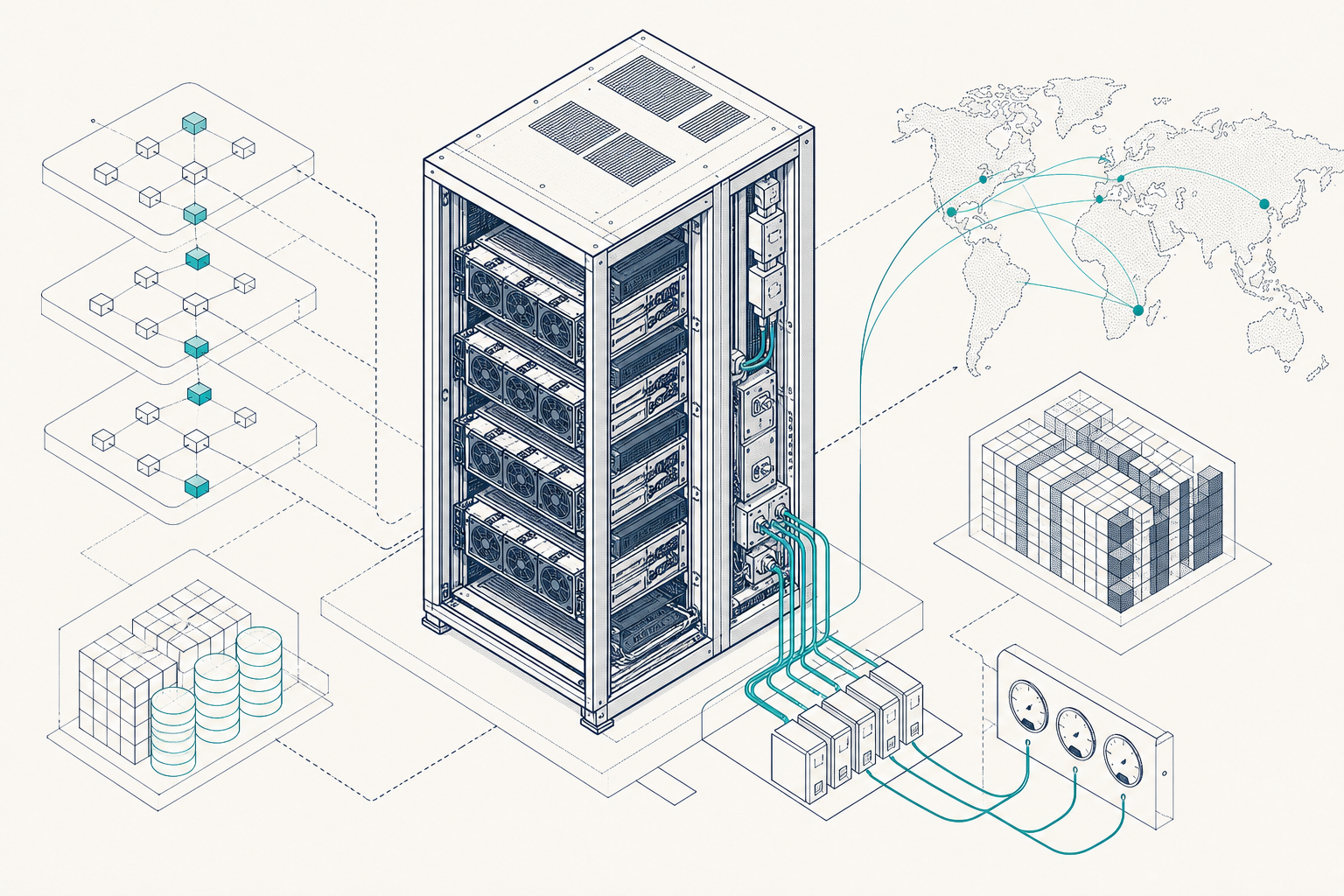
Beam makes open weights an operator problem
Reflection AI's Beam release shifts the hard part from model access to private service operations, especially for small GPU estates.
11 min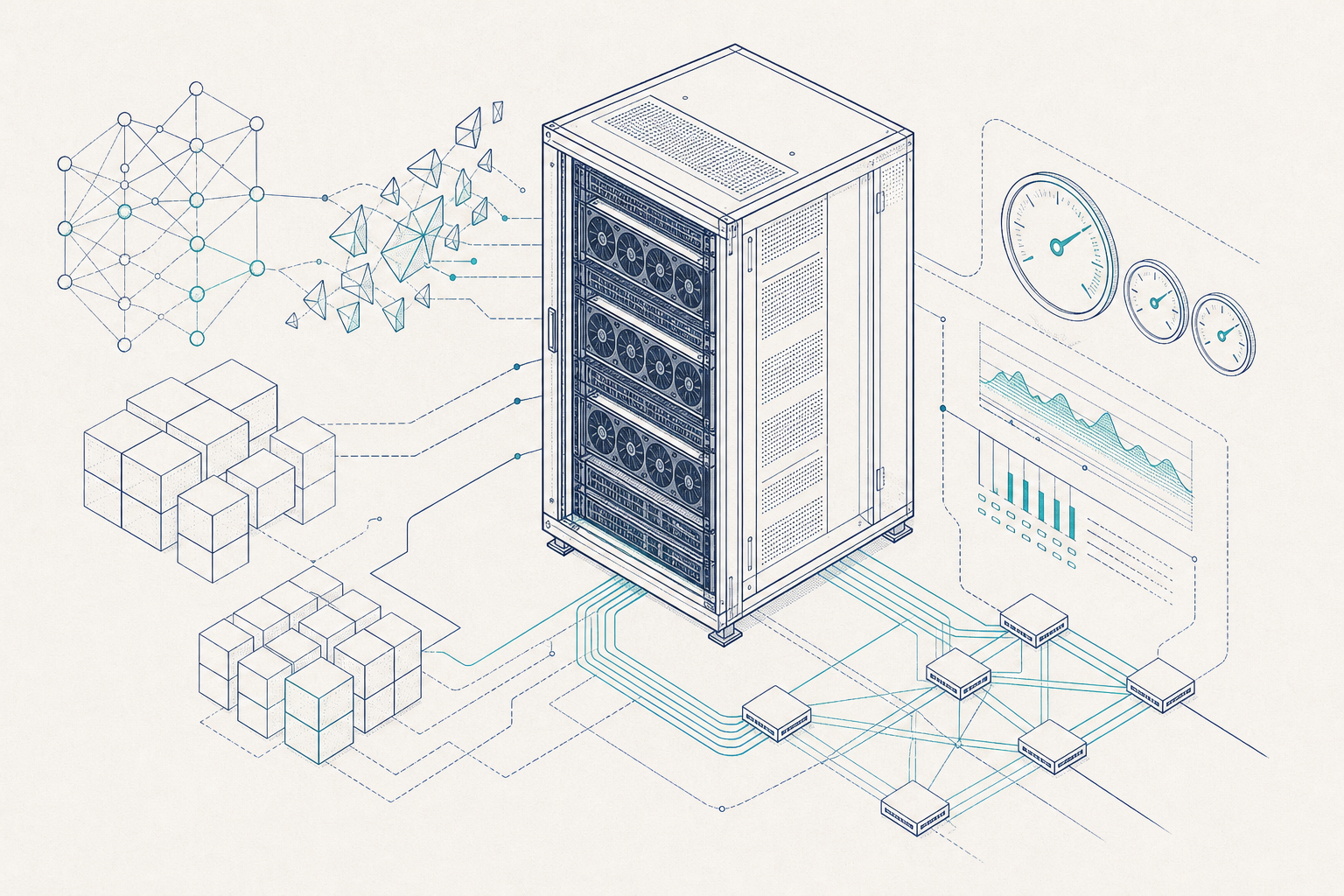
Mistral Large 4 turns inference into a cluster test
Mistral Large 4 moves 1T parameter inference from model news to operator math: sharding, KV cache, quotas, storage, power, and chargeback.
13 min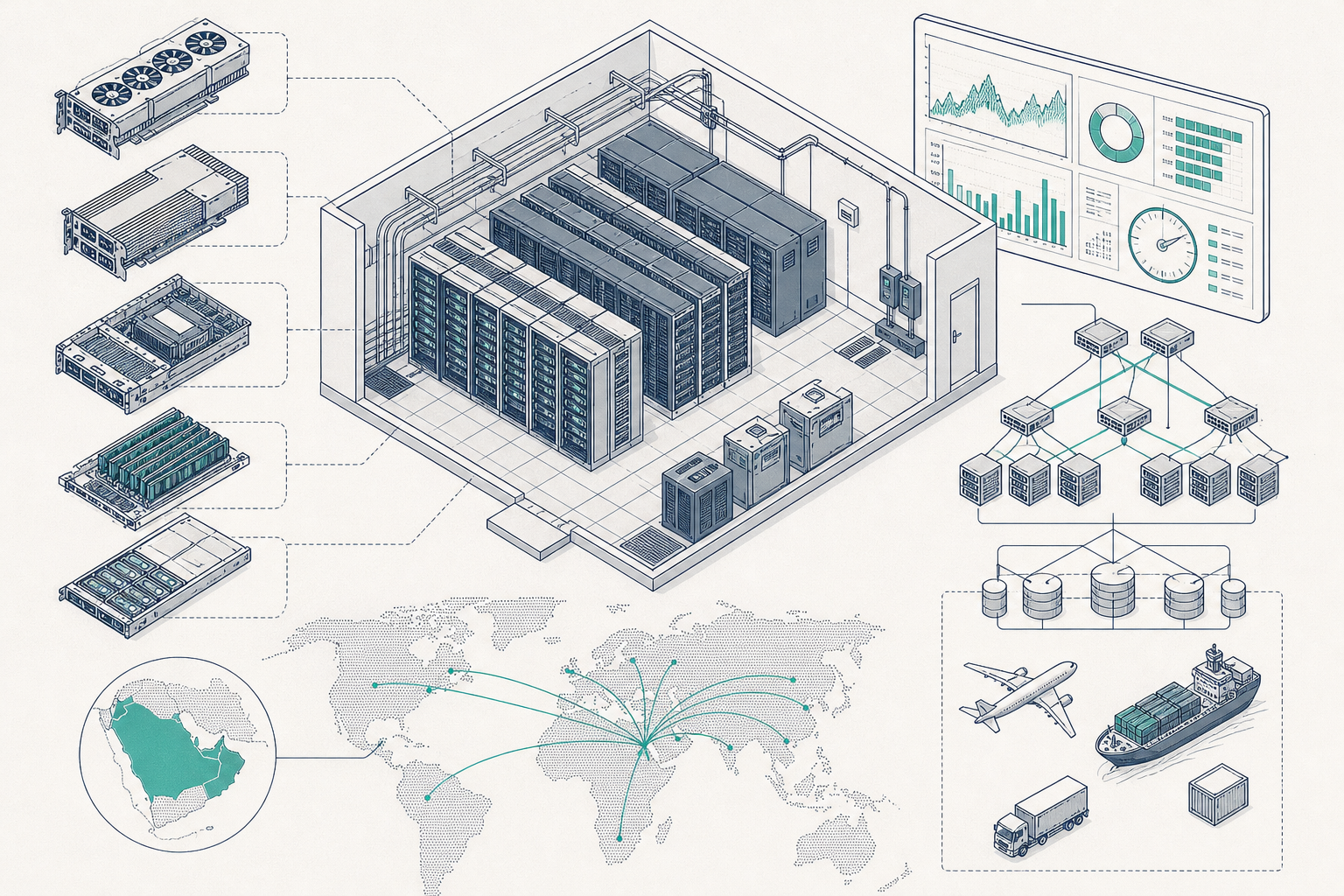
AI chip design shifts the cluster planning problem
AI-designed accelerators may speed hardware cycles. Operators need capacity plans based on bandwidth, precision, drivers, kernels, tenancy, and power, not GPU count.
11 min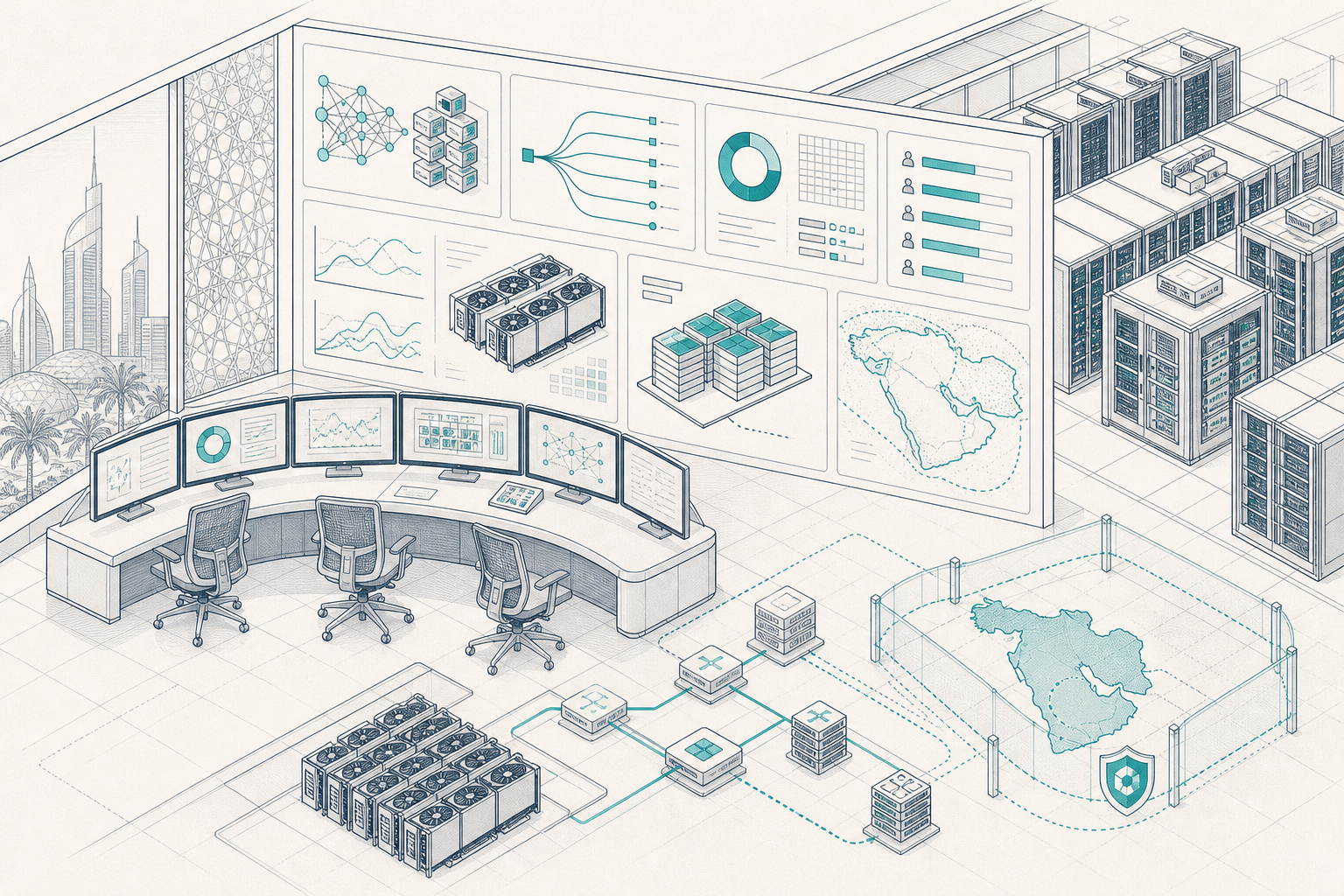
Open AI models turn into a GPU estate decision
Open versus closed AI is now a capacity, tenancy, sovereignty, and chargeback problem for operators running real GPU fleets.
12 min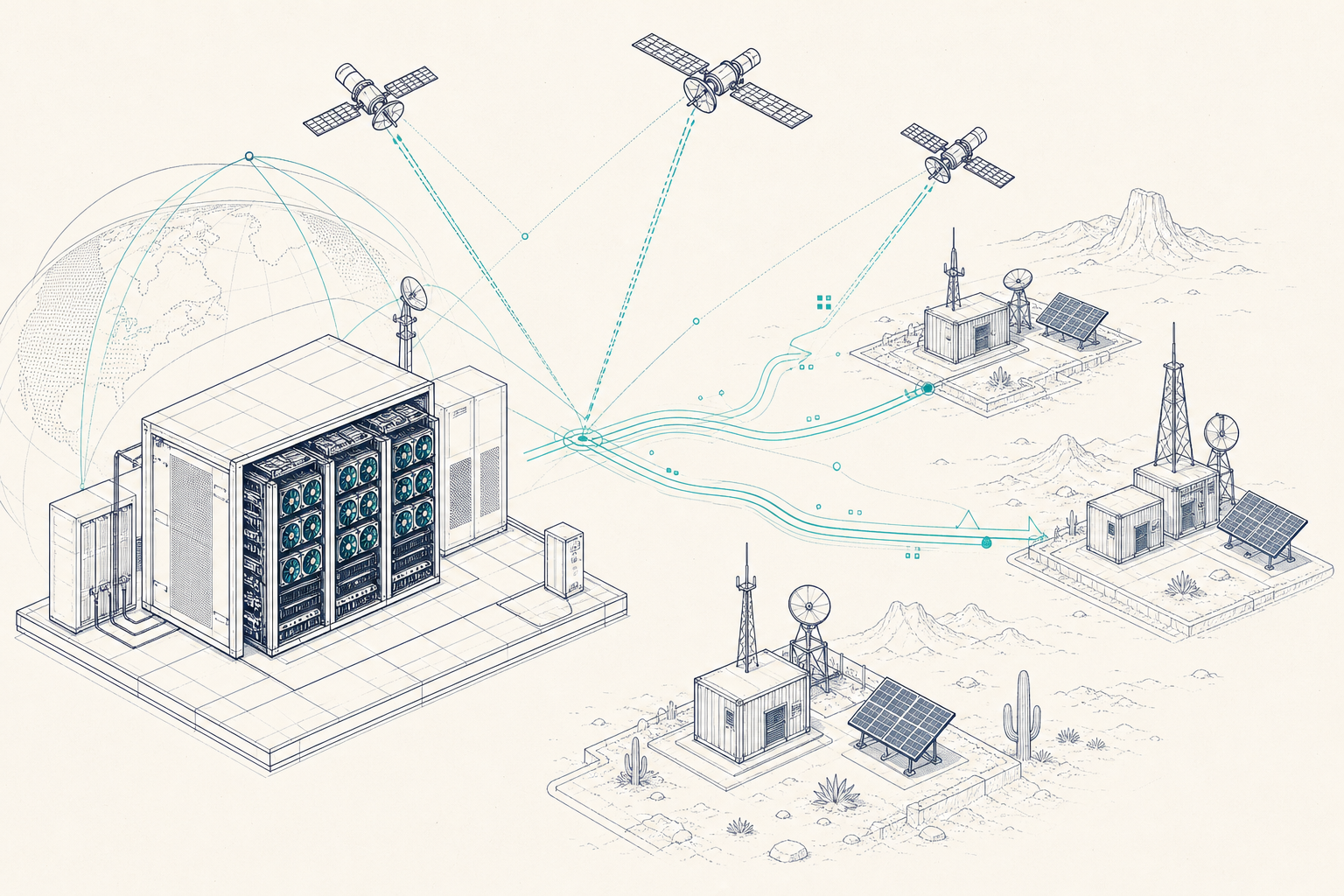
Satlyt Funding Moves AI Inference Beyond the Data Center
Satlyt's $8M raise is a reminder that edge AI bottlenecks are control plane, power, packaging, telemetry, and chargeback, not only accelerator supply.
14 min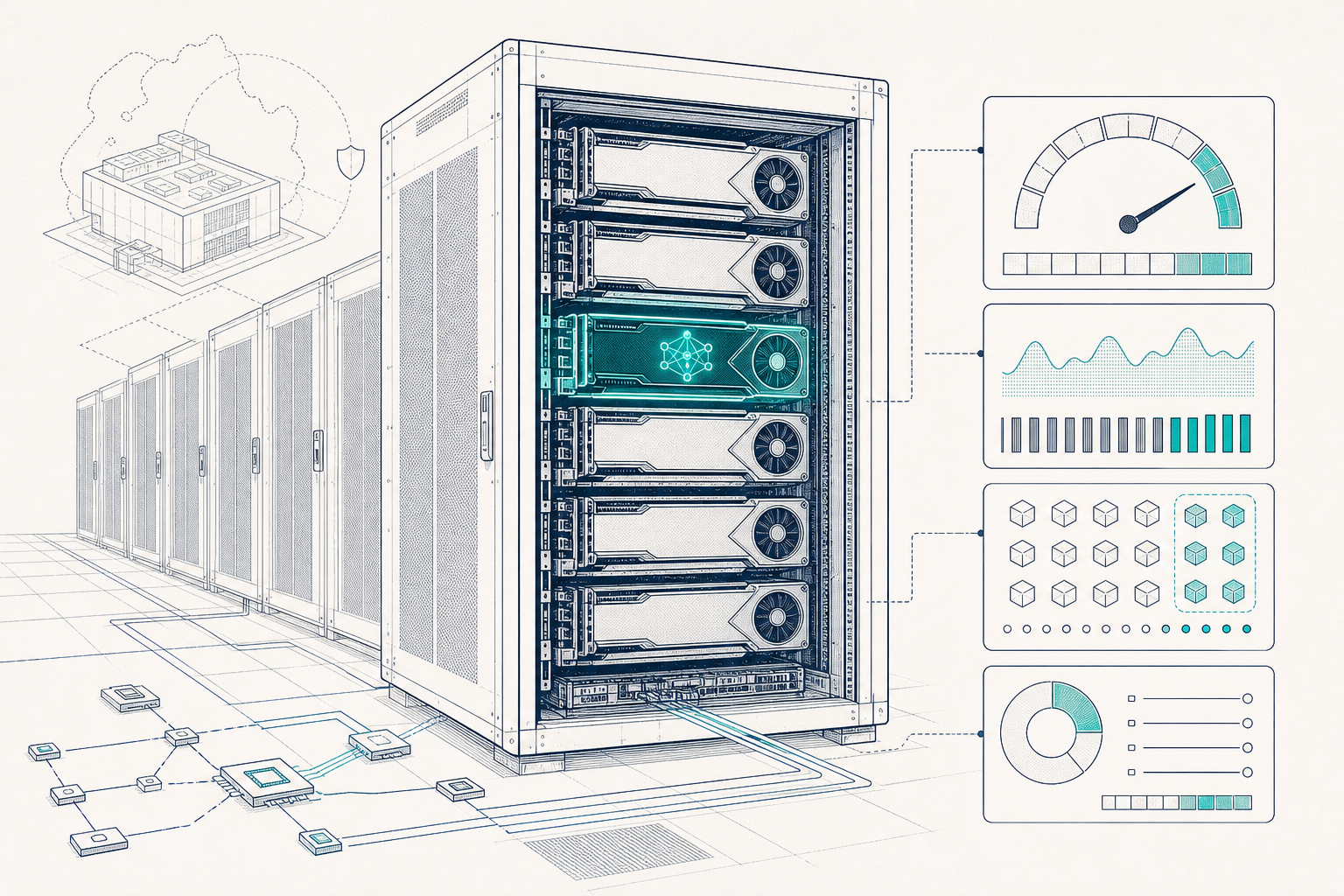
Single GPU agentic models shift the rack bottleneck
Xing4.0-29B-A4B makes agentic inference a single GPU planning problem, with VRAM, cache, tenancy, and metering now the operator constraints.
12 min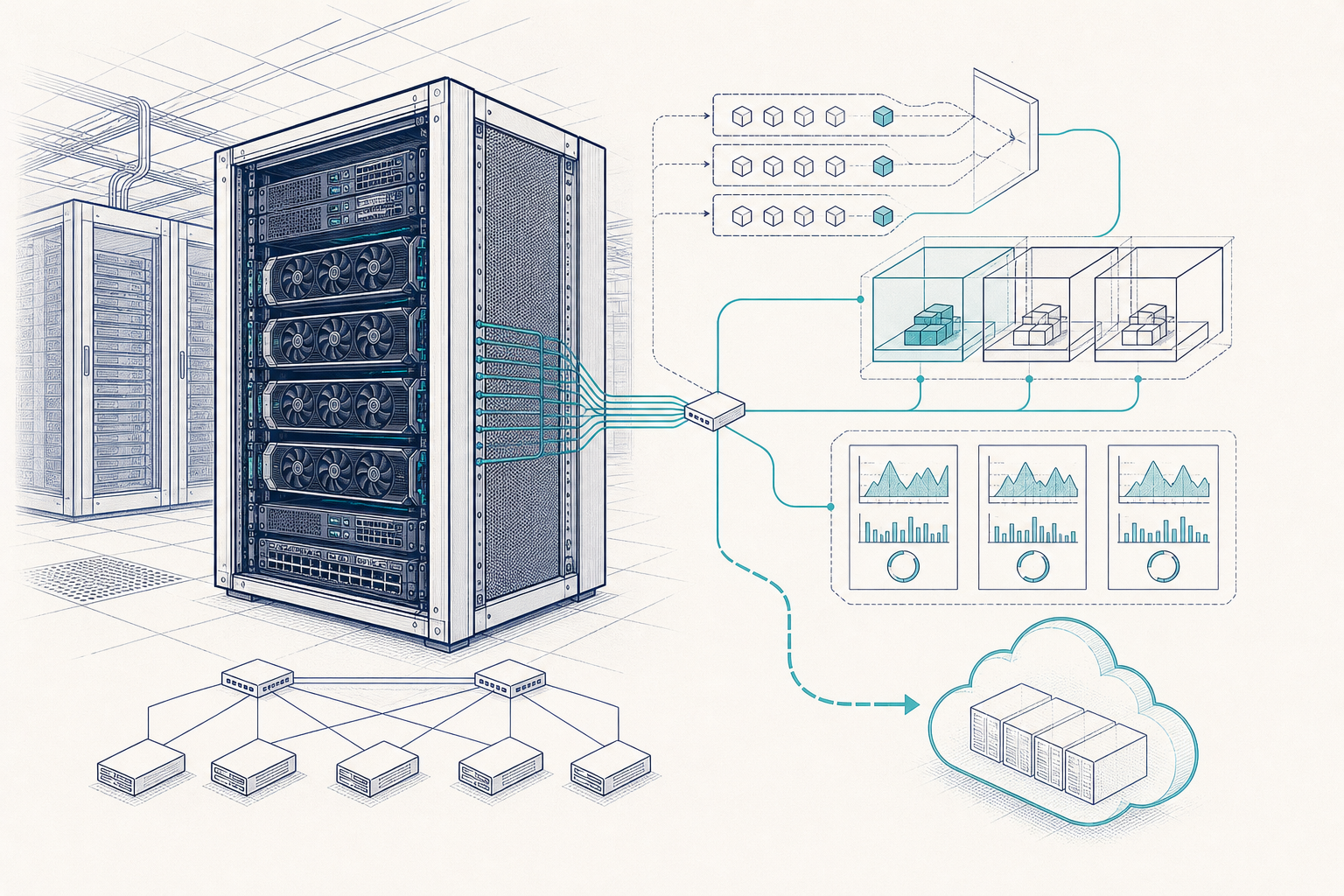
Modal valuation points to the local GPU control problem
Modal's reported $750M round shows demand for managed AI infrastructure. Local GPU estates need the same discipline for tenancy, queues, quotas, and spillover.
13 min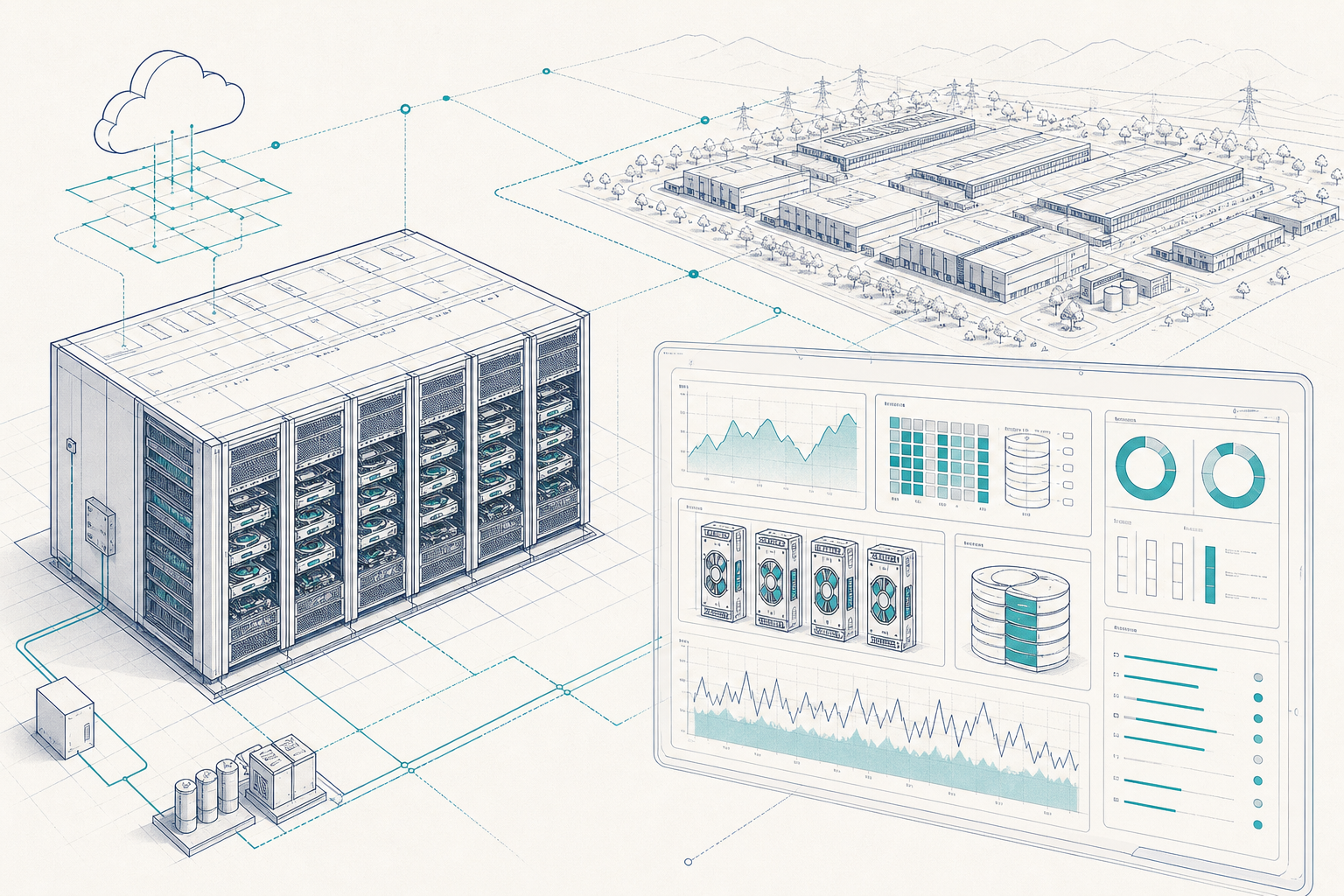
Nscale financing shows the GPU utilization problem
Nscale raised $3.36B before its IPO. Smaller GPU estates cannot answer with scale, they need scheduling, metering, quotas, and power discipline.
12 min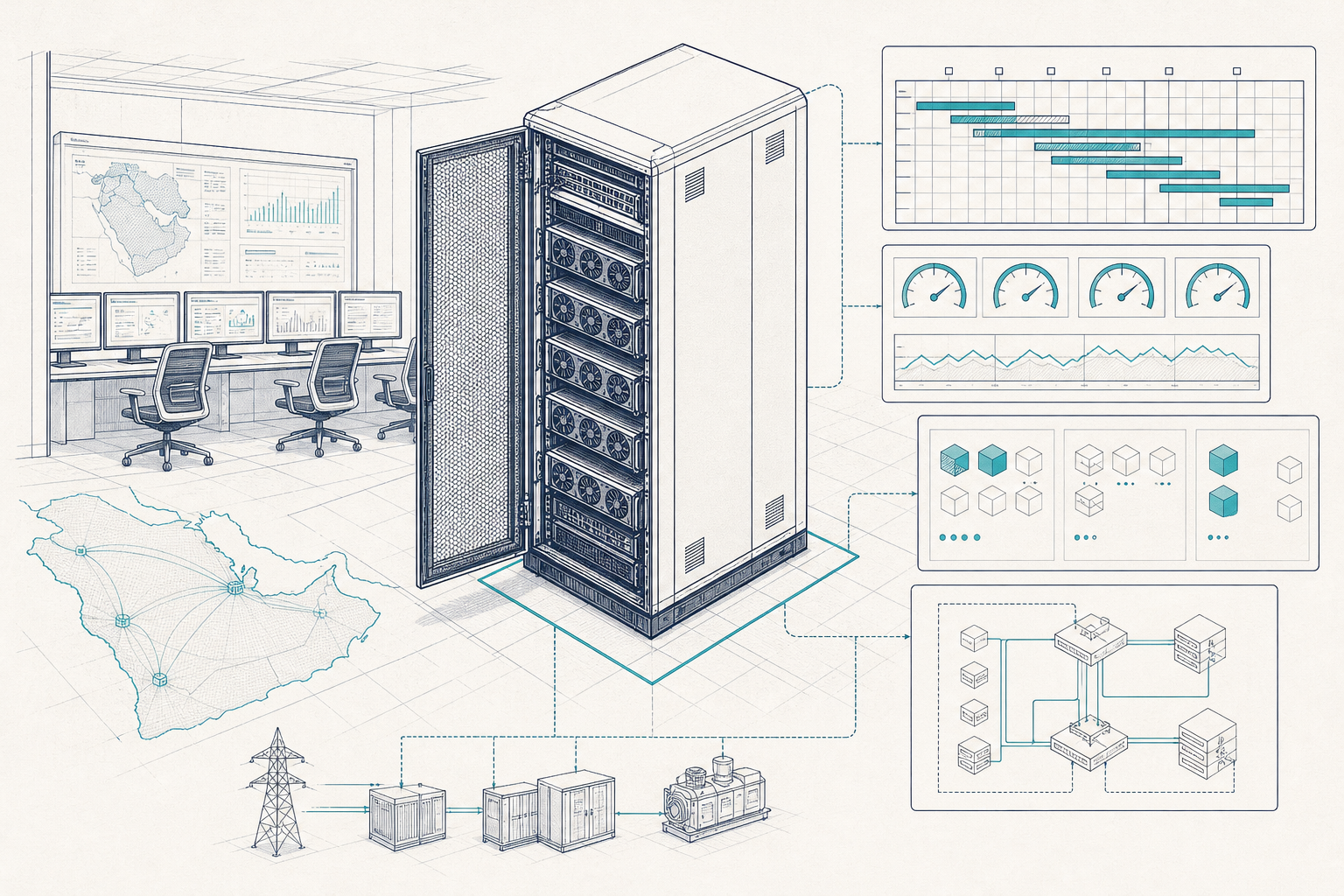
Anthropic Akamai Deal Tests GPU Capacity Planning
Anthropic's Akamai commitment shows why small GPU estates need hard utilization math before buying dedicated capacity.
13 min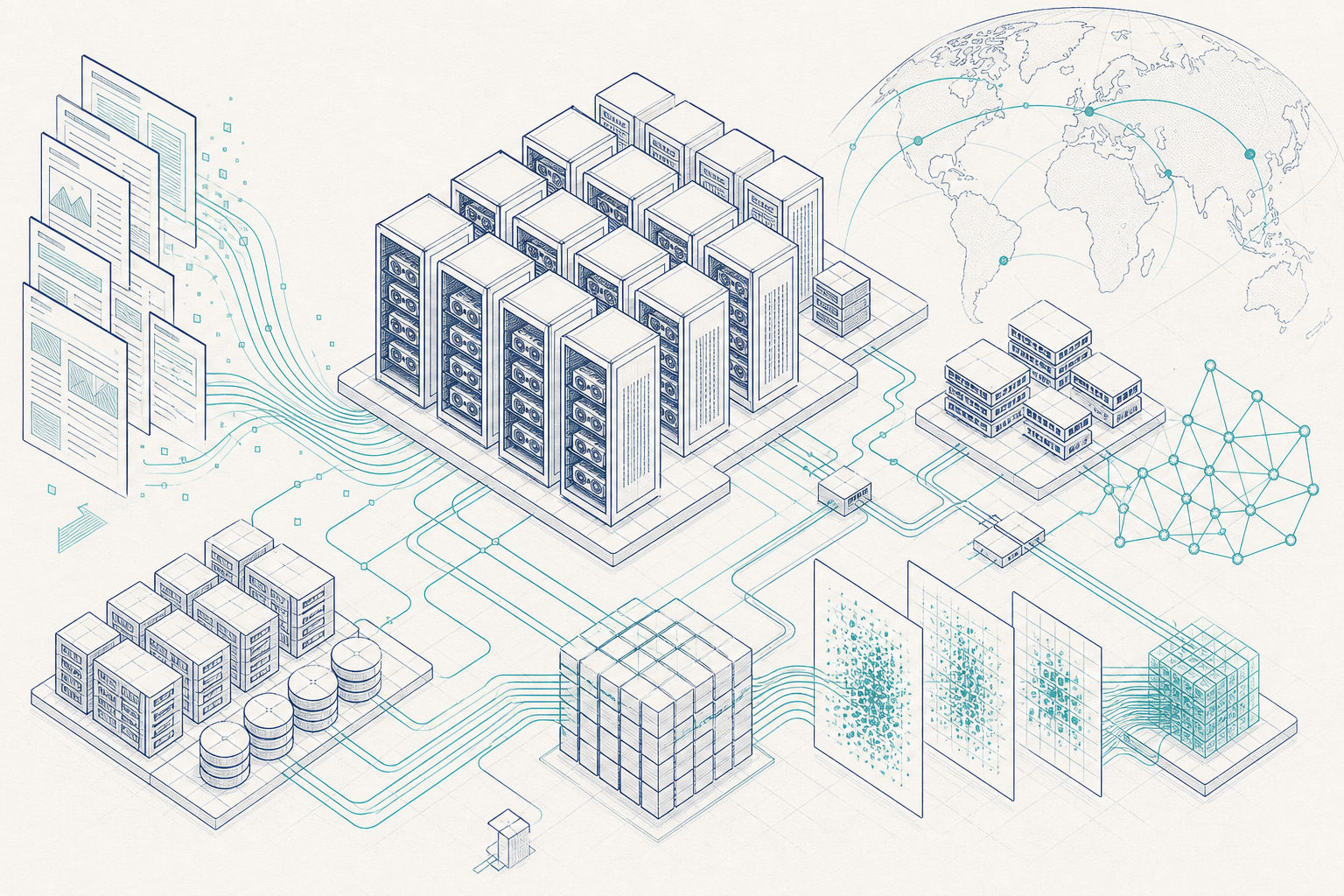
Firecrawl funding shifts pressure to GPU data planes
Firecrawl's $75 million Series B highlights a practical bottleneck: retrieval data can outgrow model weights and compete with inference.
12 min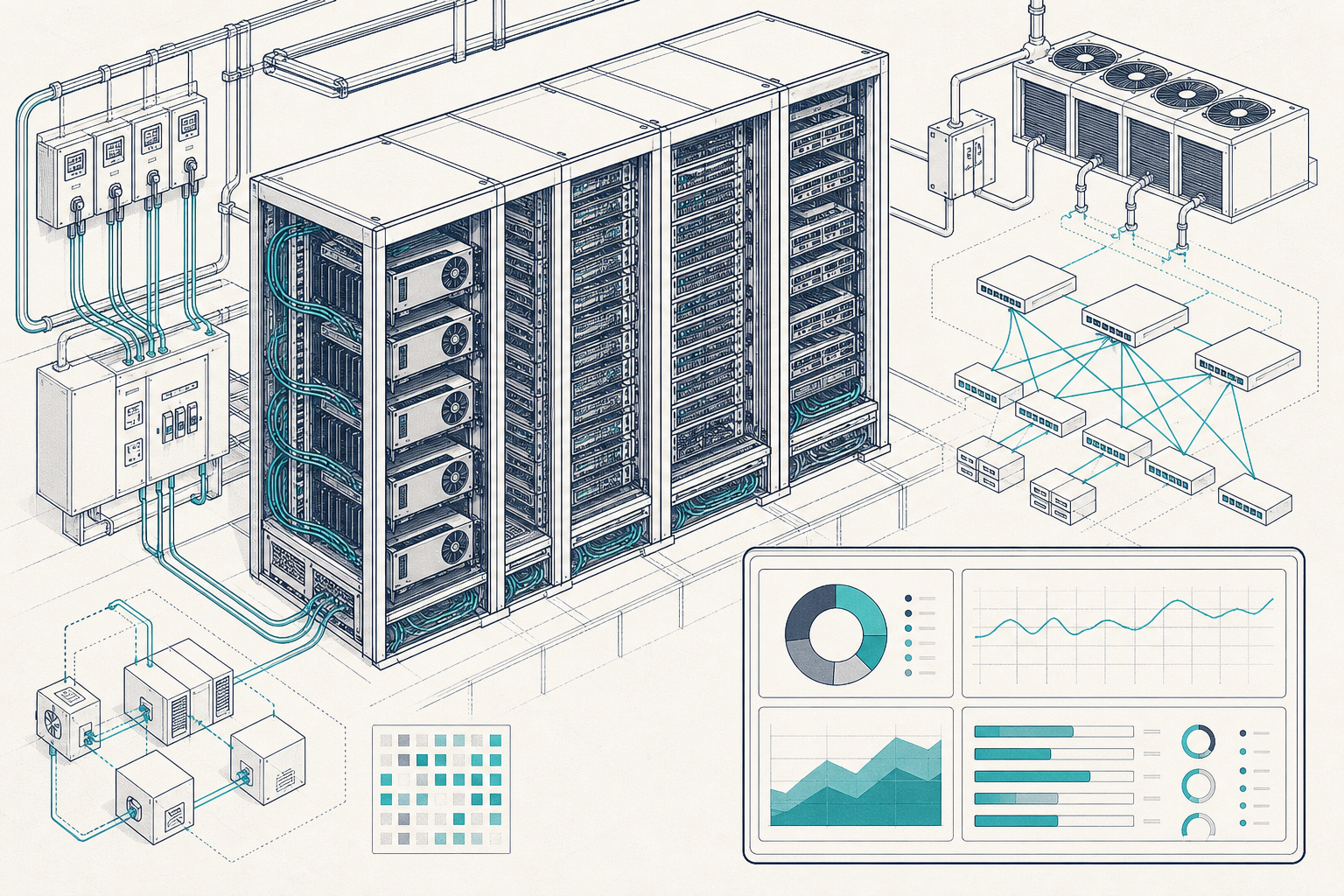
Cornelis funding puts heterogeneity on the operator desk
Cornelis raised $205 million to challenge Nvidia in AI infrastructure. For smaller GPU estates, the hard part is operating mixed hardware without losing utilization.
12 min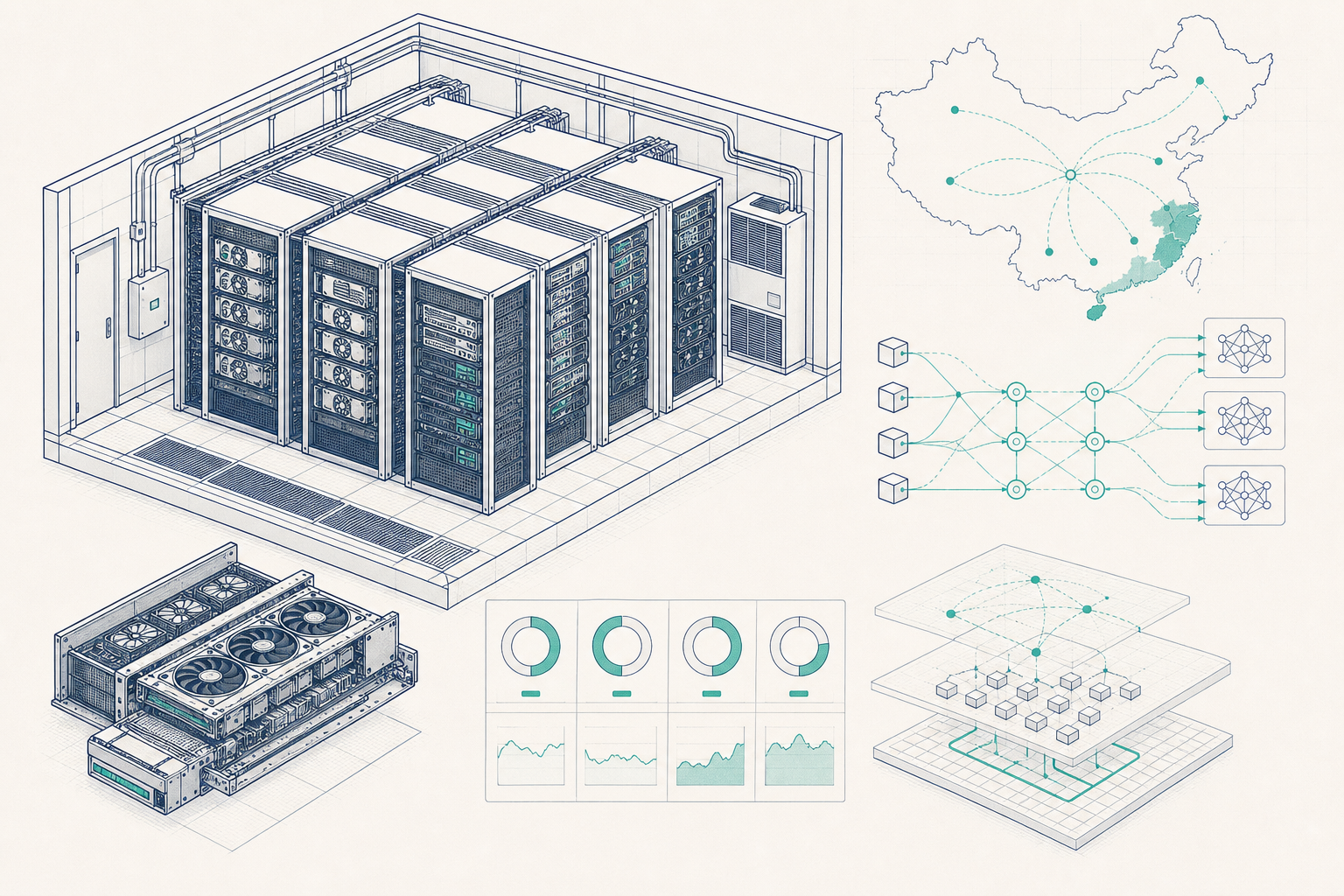
Xing4.0-29B-A4B Moves the Bottleneck to Serving
China Telecom AI released a compact MoE model for local deployment. For operators, the work shifts to VRAM, KV cache, batching, tenancy, and chargeback.
12 min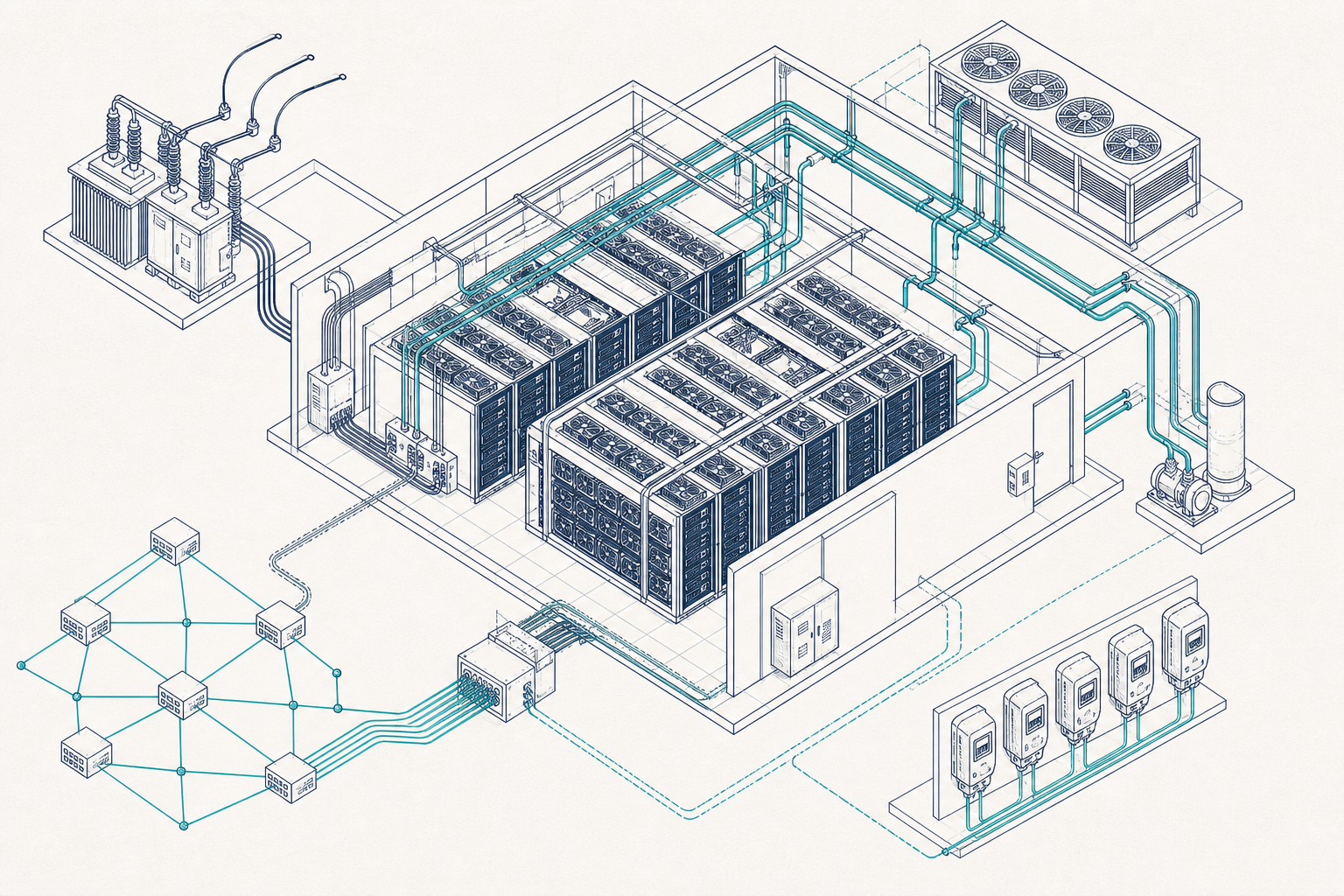
YC Demo Day points at power and network limits
Atomarine and Dipole Labs highlight two AI infrastructure constraints that smaller GPU operators must manage directly: power and east-west network utilization.
12 min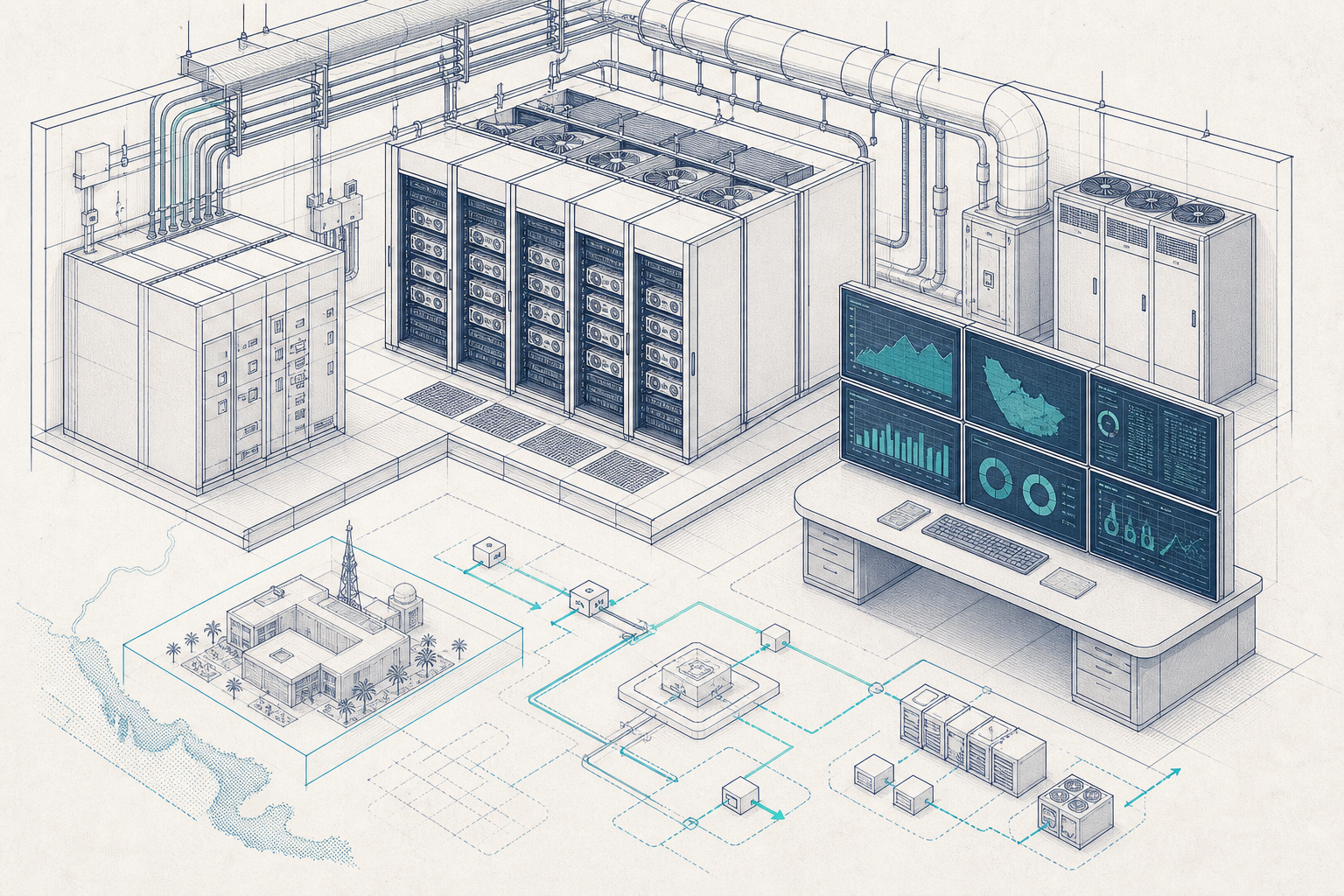
Nscale IPO plans reset the GPU estate math
Nscale is scaling toward public markets. Smaller GCC GPU operators need a different playbook: utilization, admission control, metering and sovereign operations.
13 min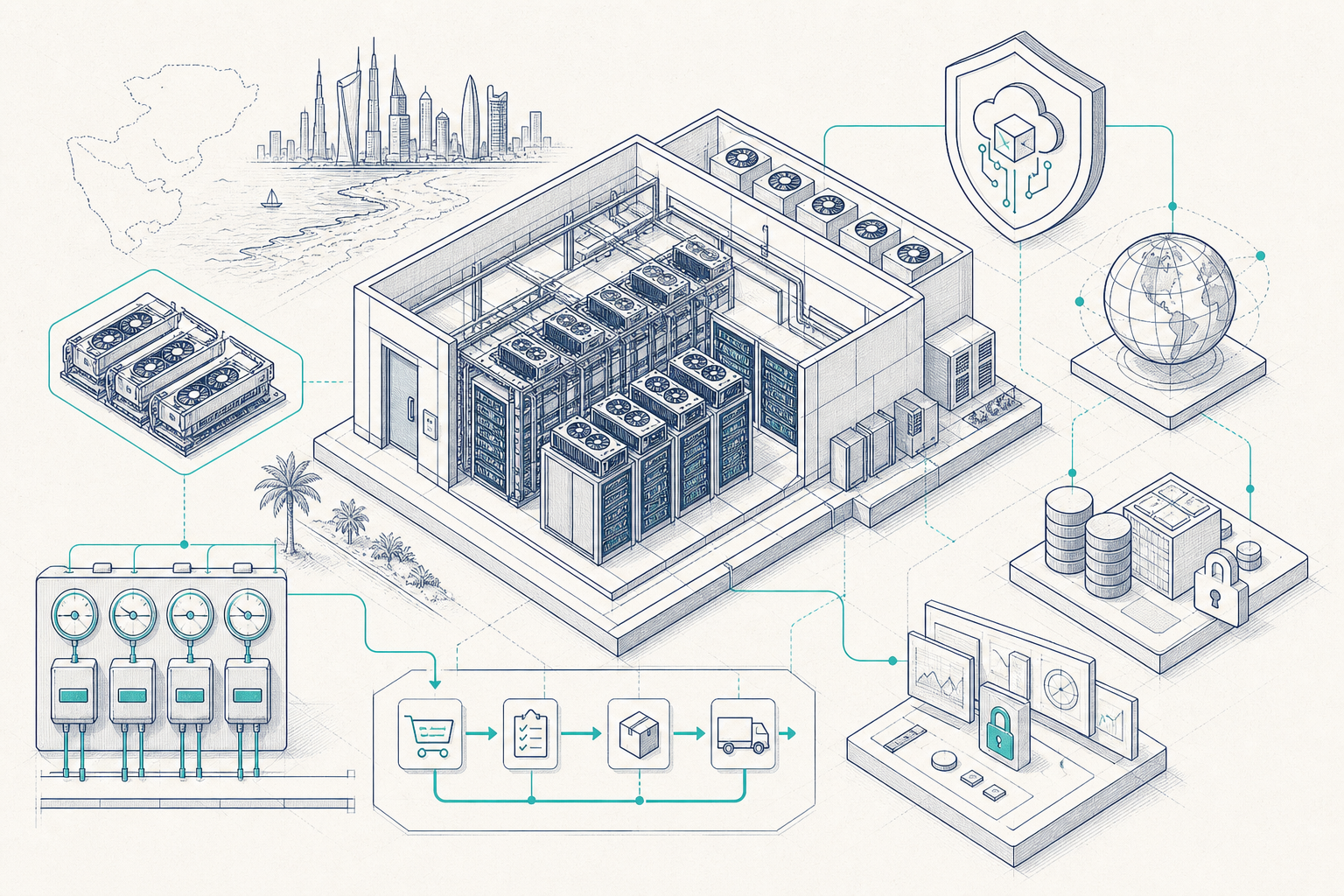
COFE Tech's AI round tests Gulf inference capacity
COFE Tech's $178 million valuation raises a practical question for Gulf operators: when do agent workloads justify dedicated inference capacity?
11 min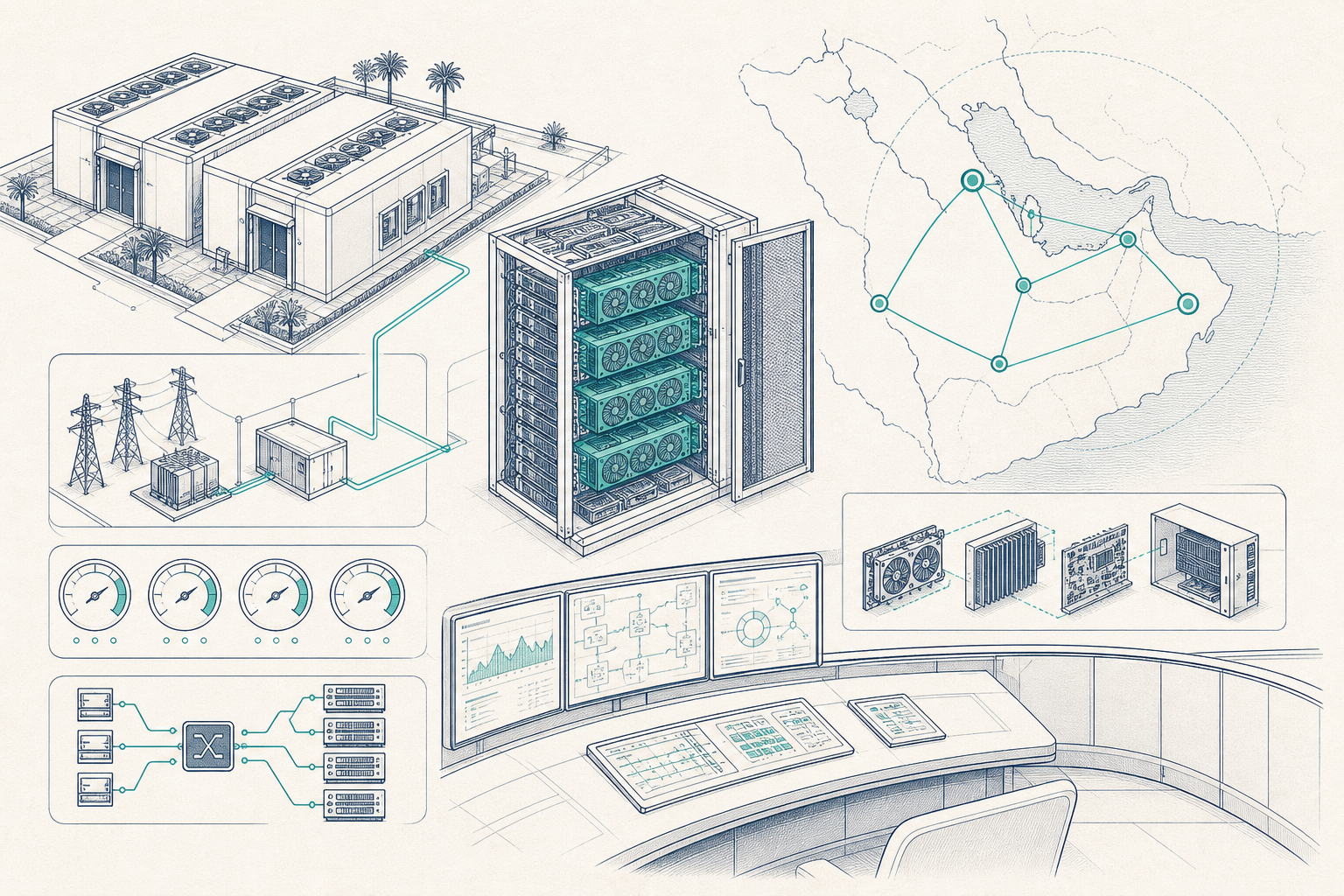
Crusoe funding puts modular AI on GCC agendas
Crusoe's $3.9B raise highlights distributed AI capacity. For GCC operators, the work is scheduling, storage, power, quotas, and chargeback across small sites.
12 min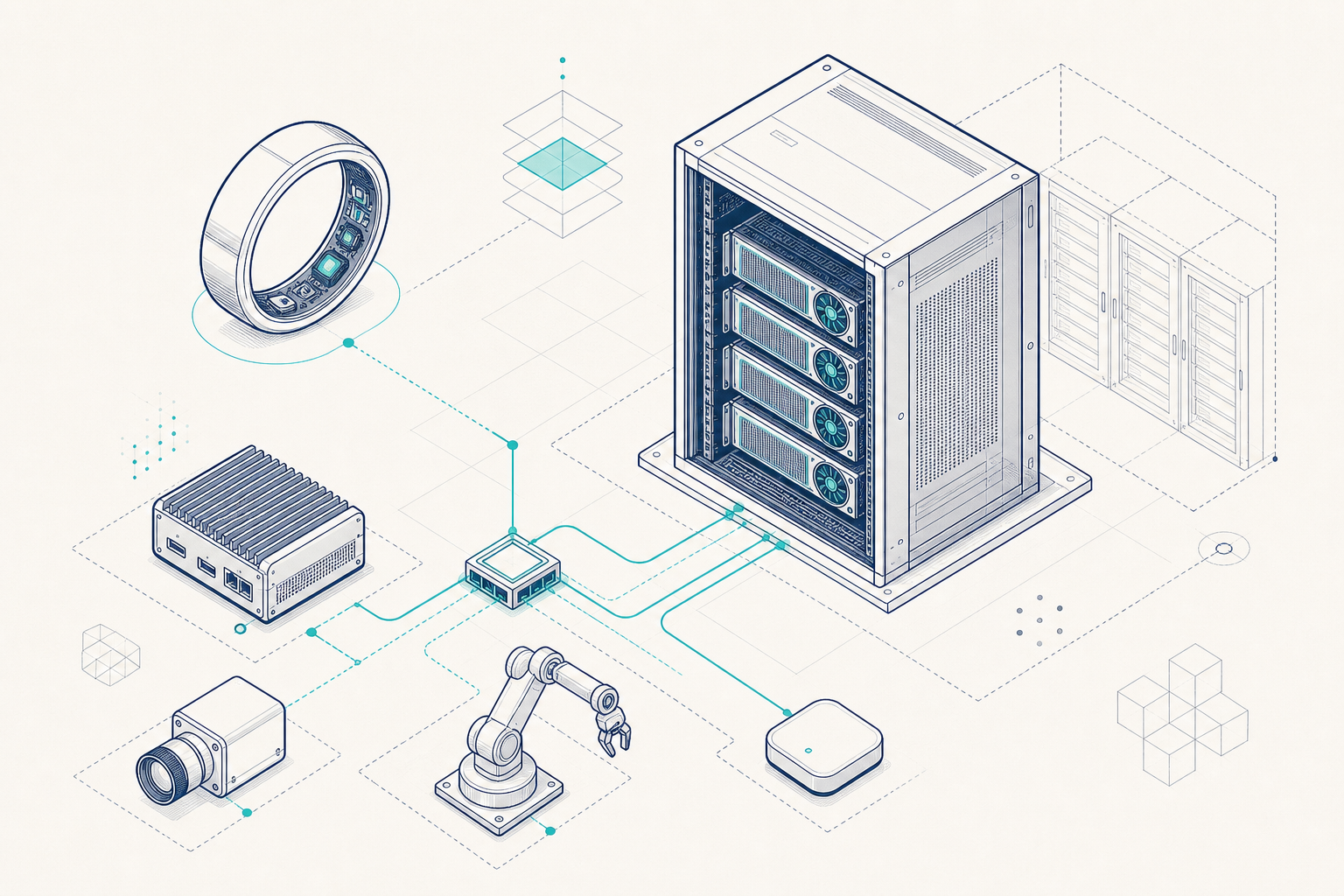
Qualcomm’s Ultrahuman bet shifts AI toward the edge
Ultrahuman’s $70M round is a signal for GPU operators: more device-side AI changes latency, residency, metering and tenancy assumptions.
13 min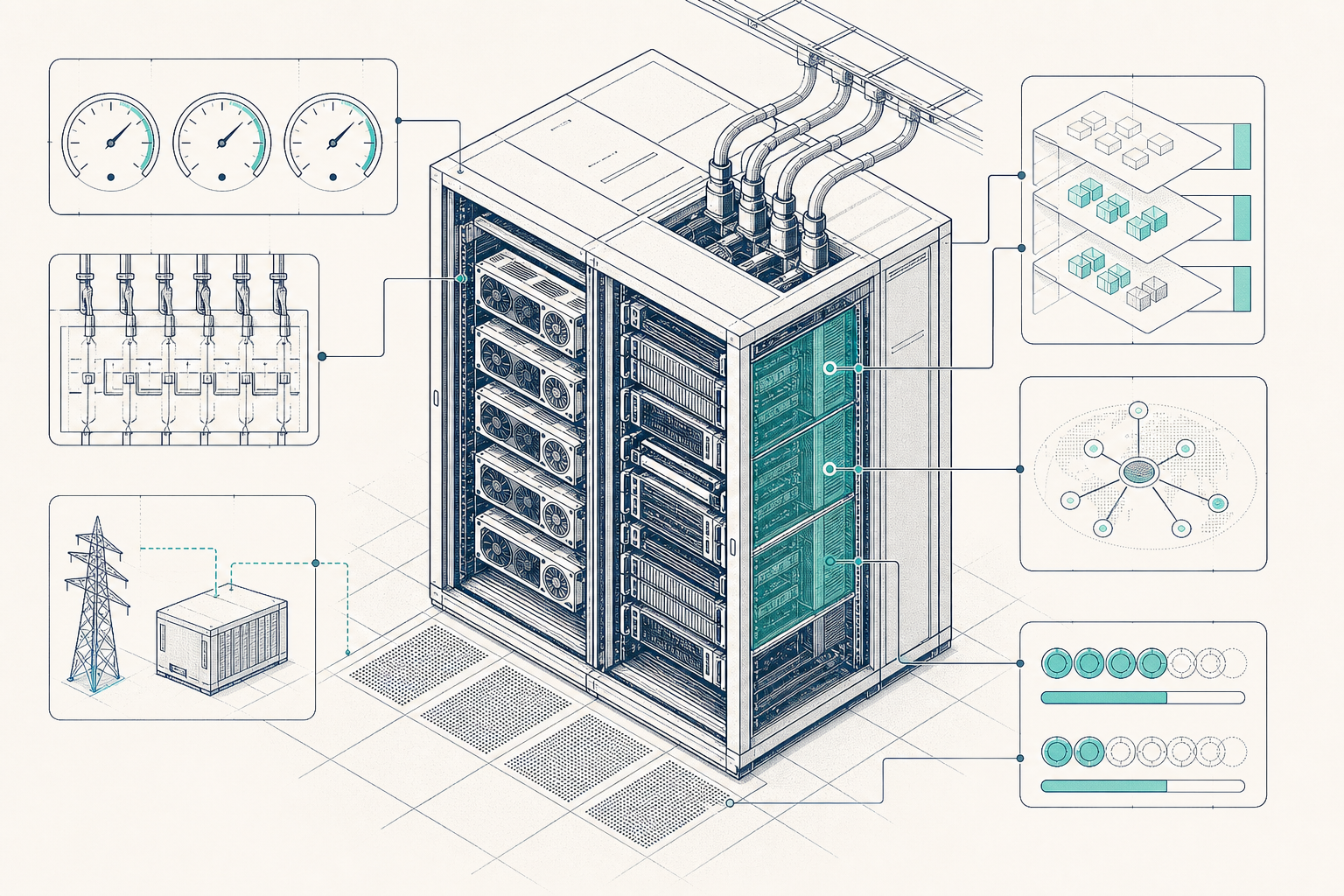
Harvey funding puts inference economics on the operator agenda
Harvey’s $550M raise is a reminder that enterprise AI demand becomes a sustained inference workload, not just a training story.
11 min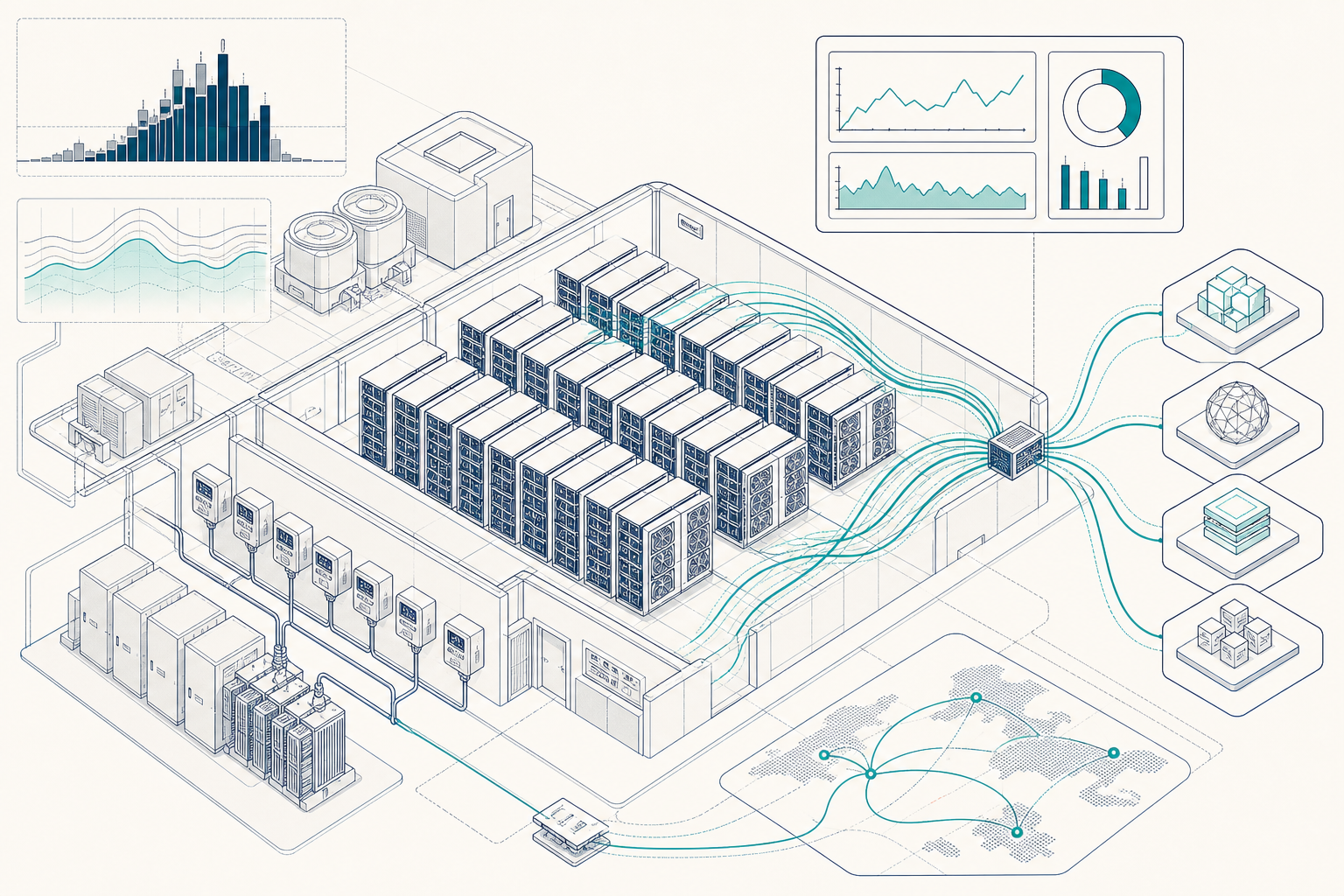
OpenAI’s Astra surge is a capacity-planning warning
A consumer AI demand spike can drain inference capacity. GPU operators need queues, quotas, reservations, burst policy and metering before the surge.
13 min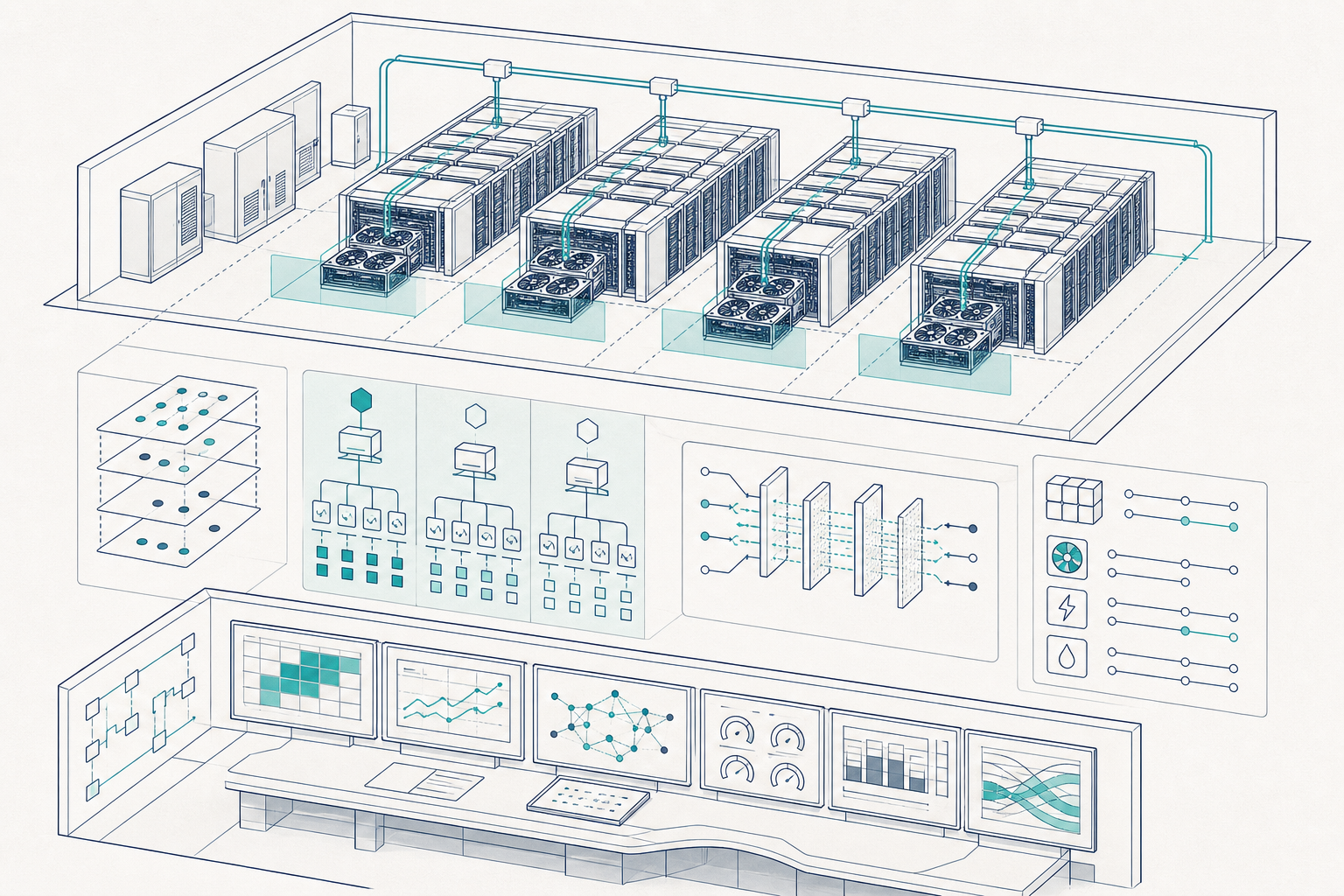
Claude and Cowork convergence raises the tenancy bar
When chat and agentic workspaces share one surface, GPU operators need admission control, metering and isolation before agents crowd out inference.
12 min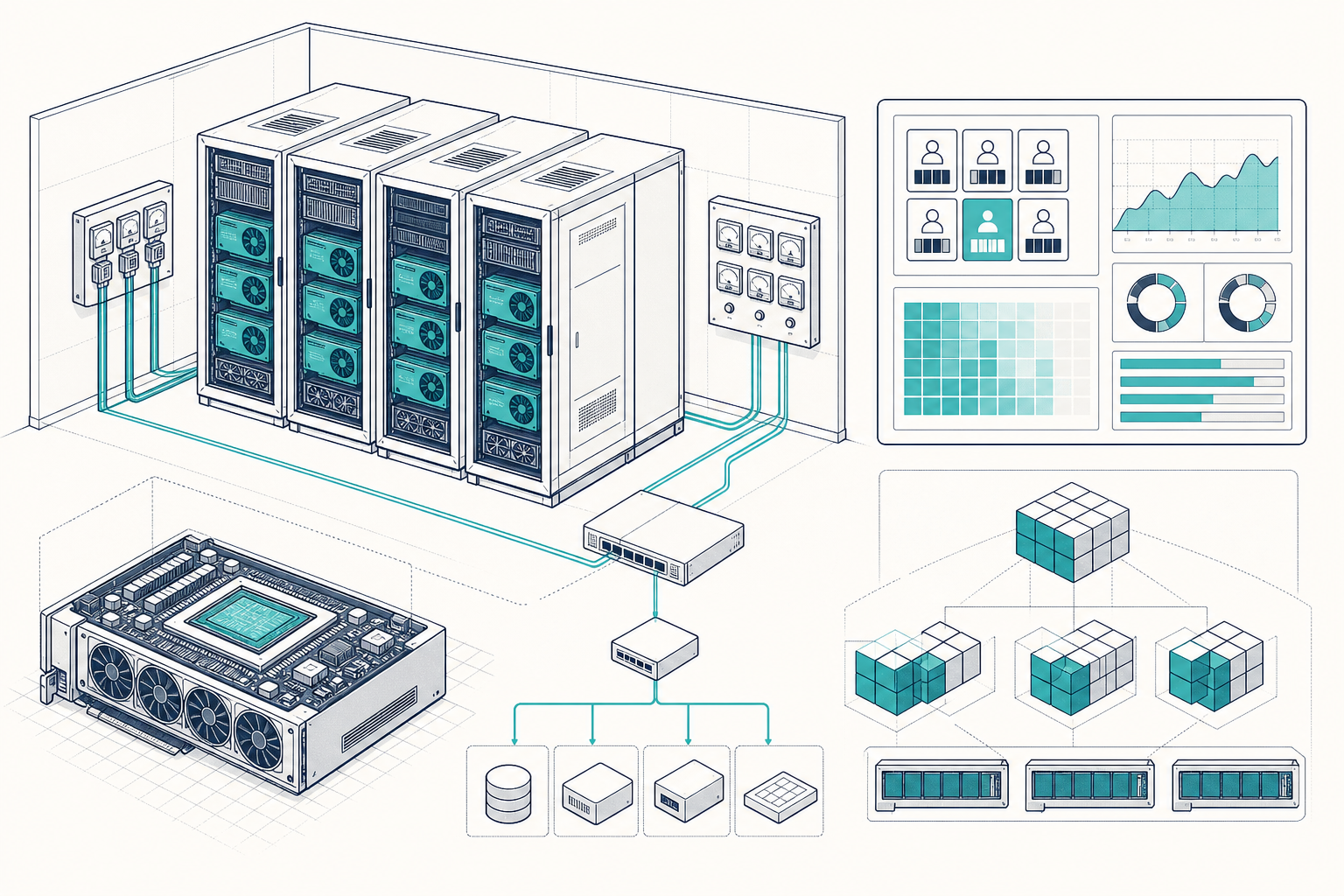
Distillation makes VRAM the operator bottleneck
Anthropic's reported distillation findings put attention on smaller models, VRAM fit, tenancy, quota design, and sovereign on-prem scheduling.
12 min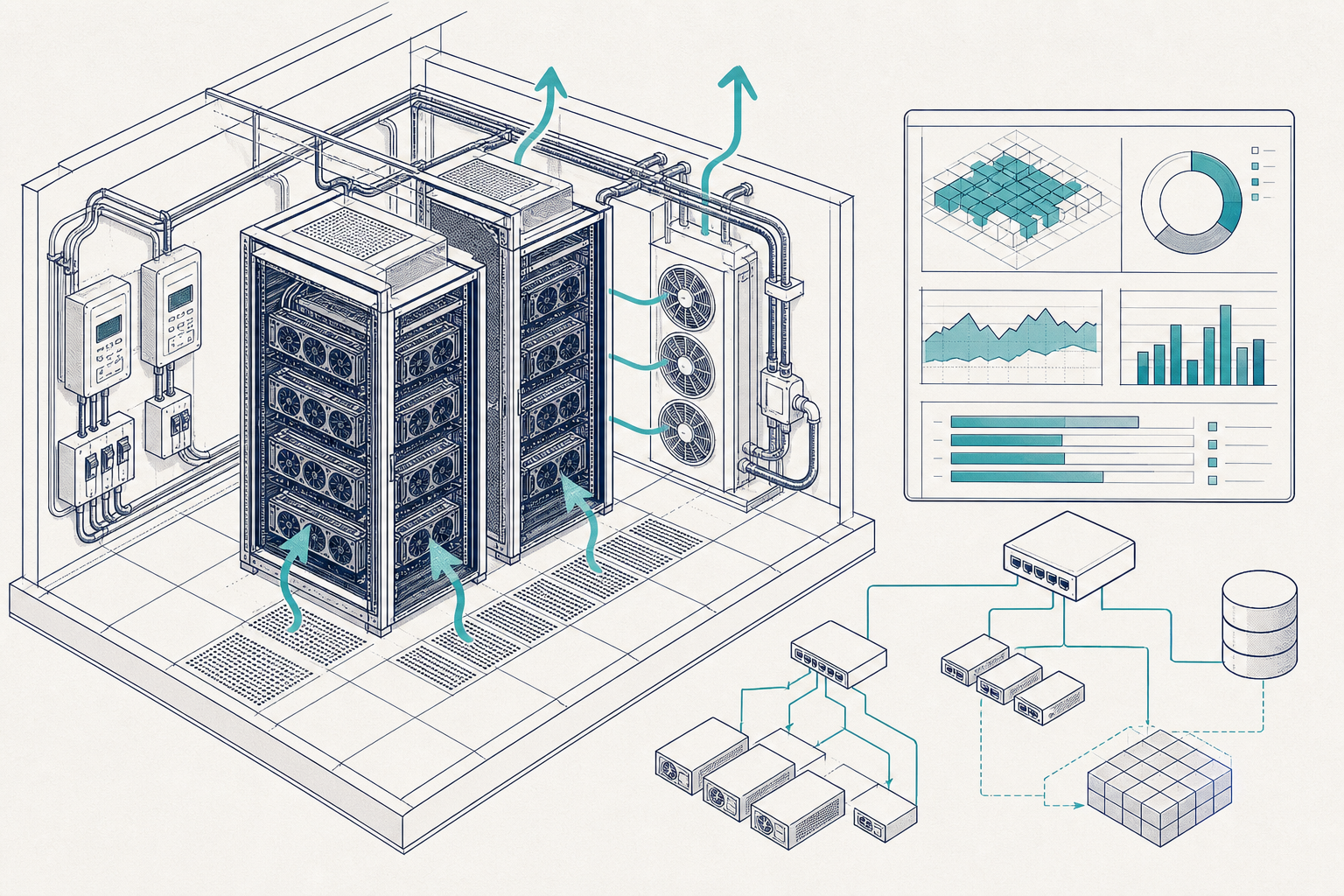
Crusoe’s $3.9B raise reframes GPU estate economics
What Crusoe’s data center and modular AI factory plan means for smaller GPU operators planning power, tenancy, metering, and inference margins.
13 min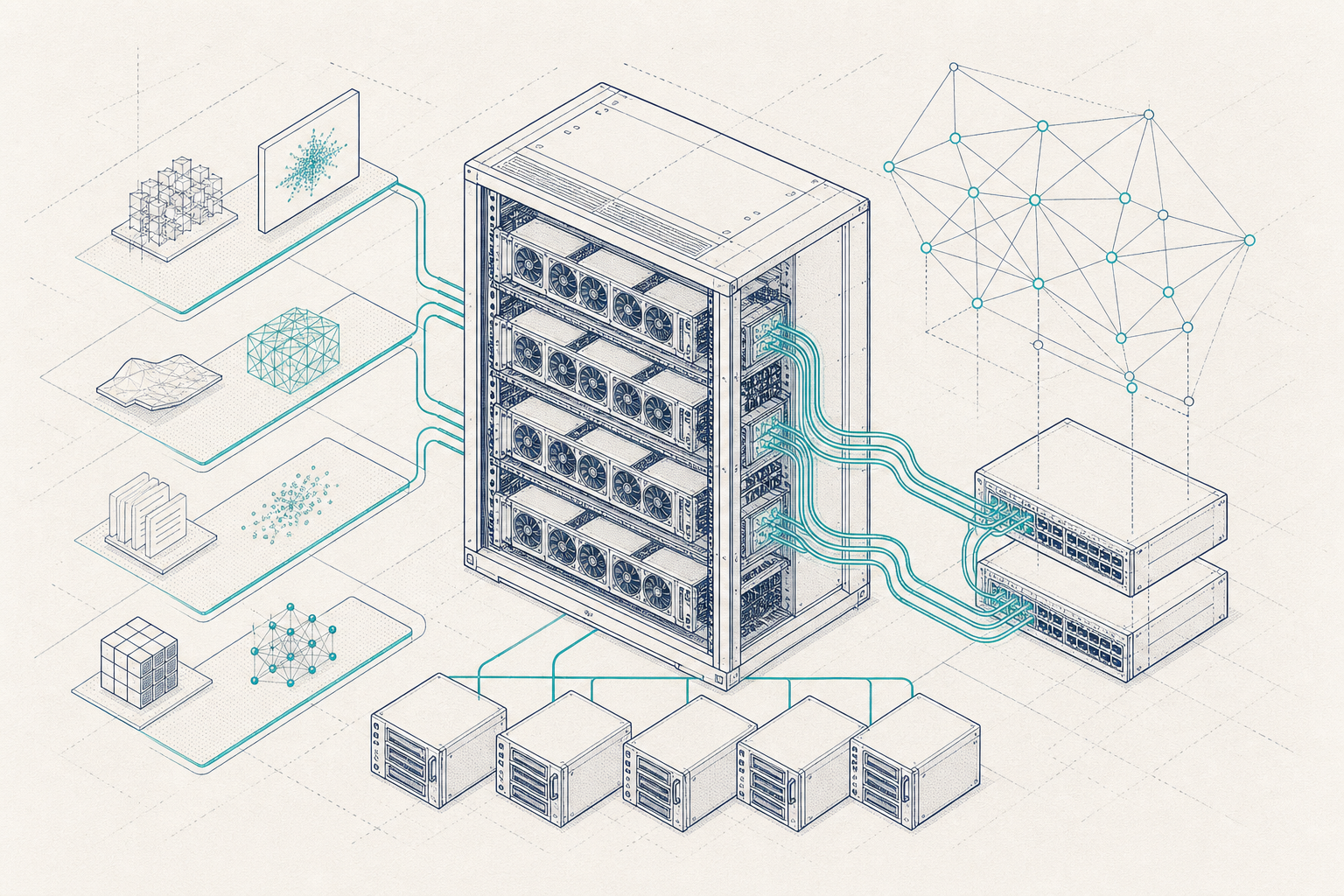
Cornelis funding puts GPU fabric waste back in view
Cornelis raised $205M for AI networking fabric. For smaller GPU estates, the test is whether fabric, scheduling and storage lift billable utilization.
12 min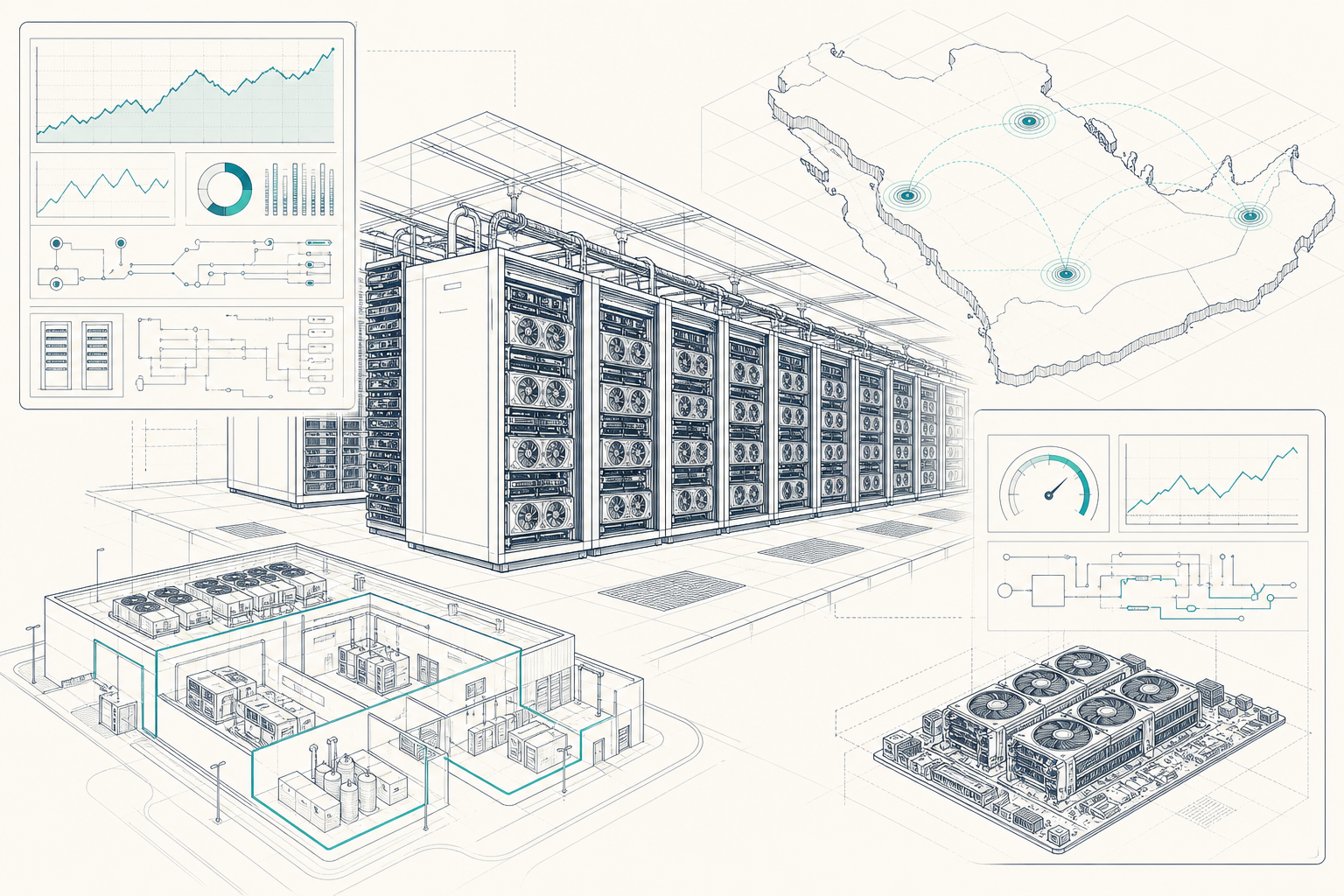
GPU price indices expose GCC placement costs
Open GPU price indices such as Infrabase.ai show that local GCC GPU estates need defensible pricing, utilization, placement and chargeback.
13 min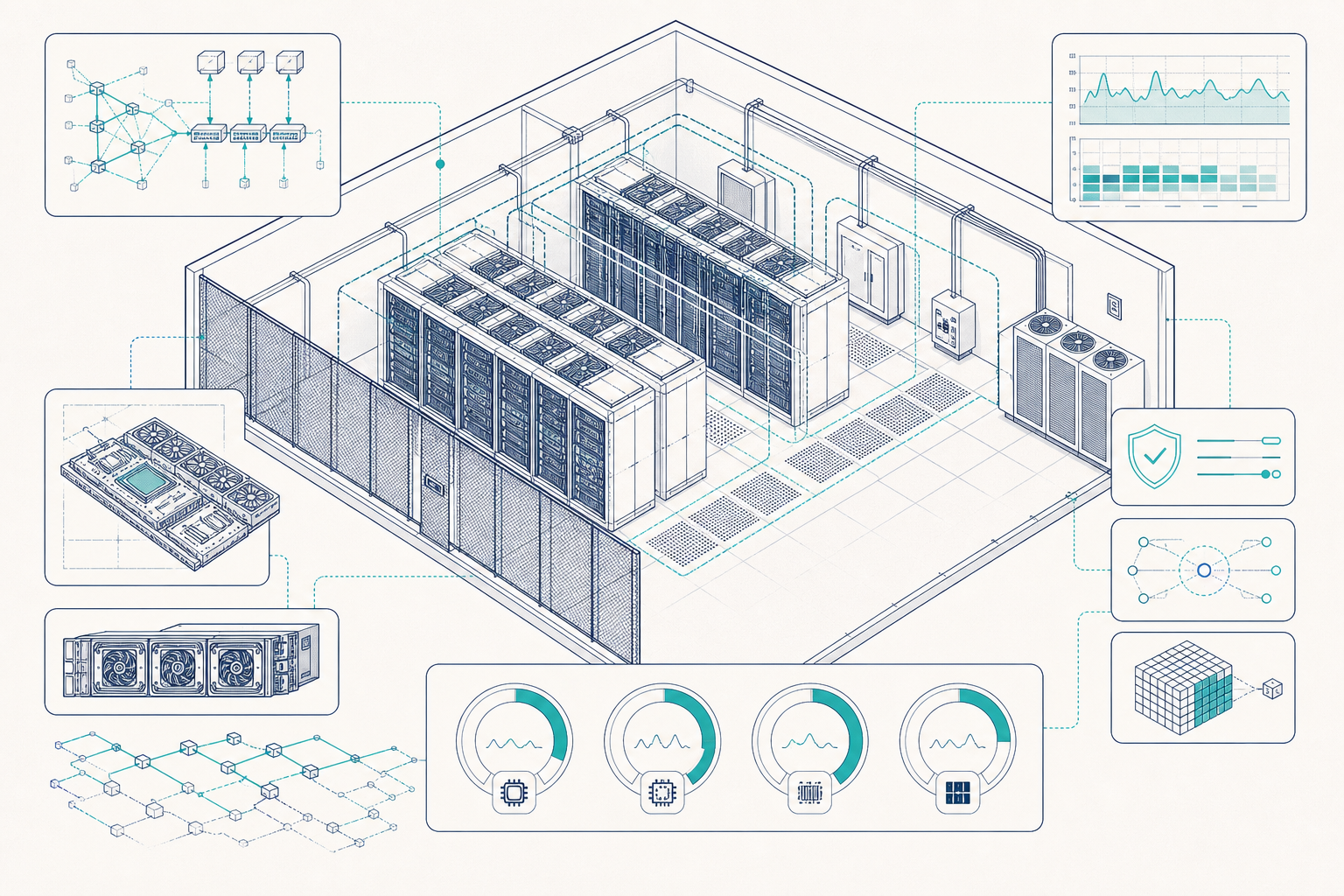
AI agent security moves into the GPU estate
HiddenLayer’s $100M round and new agent tools point to a practical bottleneck: securing, metering and governing shared GPU fleets.
12 min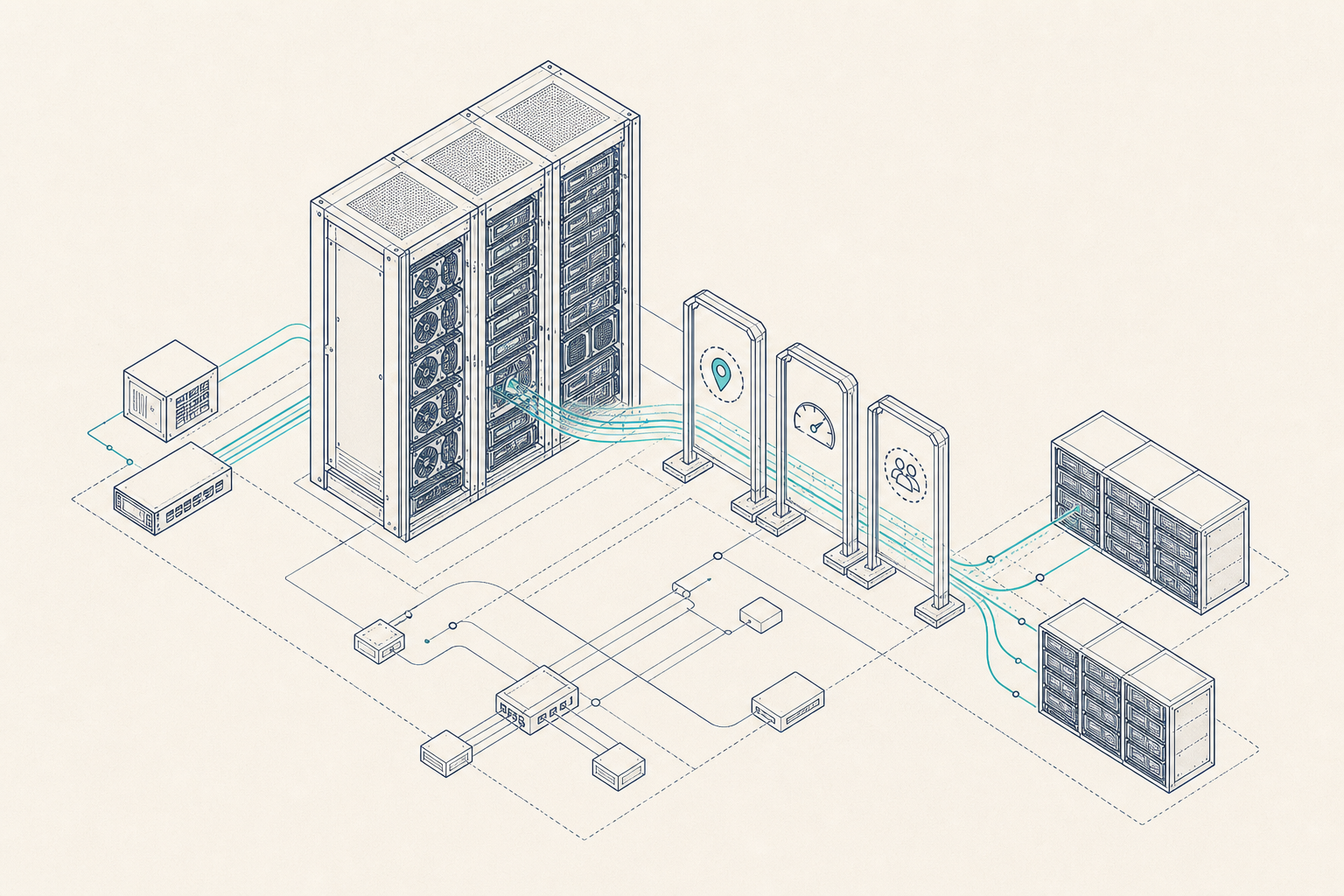
AfterQuery and the GCC GPU ingestion bottleneck
AfterQuery’s $3.2B valuation points to a practical issue for GCC GPU operators: data pipelines can starve owned GPUs before compute runs out.
12 min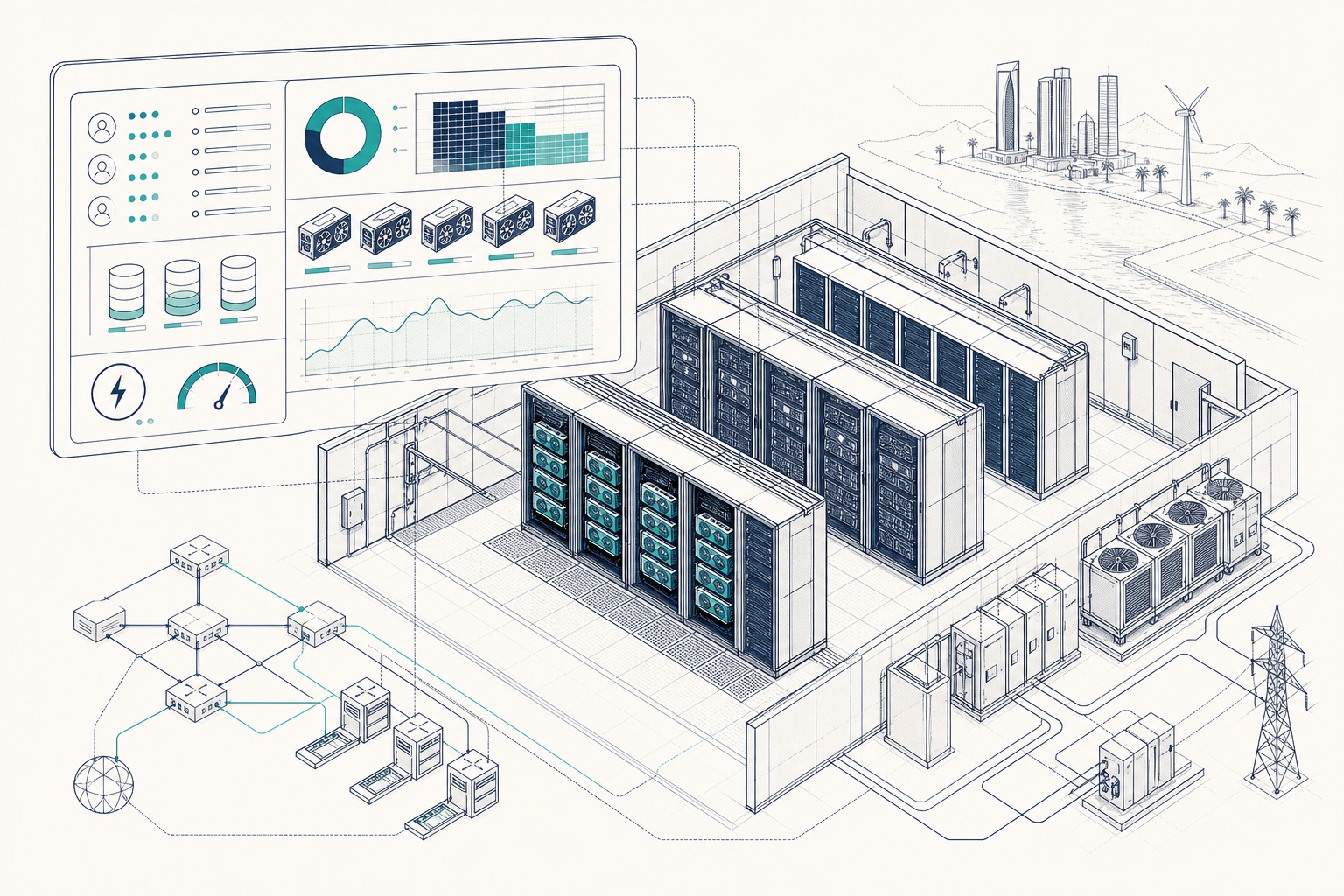
Nscale’s raise puts tenancy pressure on small GPU estates
Nscale’s planned $3.5B pre-IPO raise shows where AI compute is heading: scheduler depth, chargeback, isolation and utilization discipline.
13 min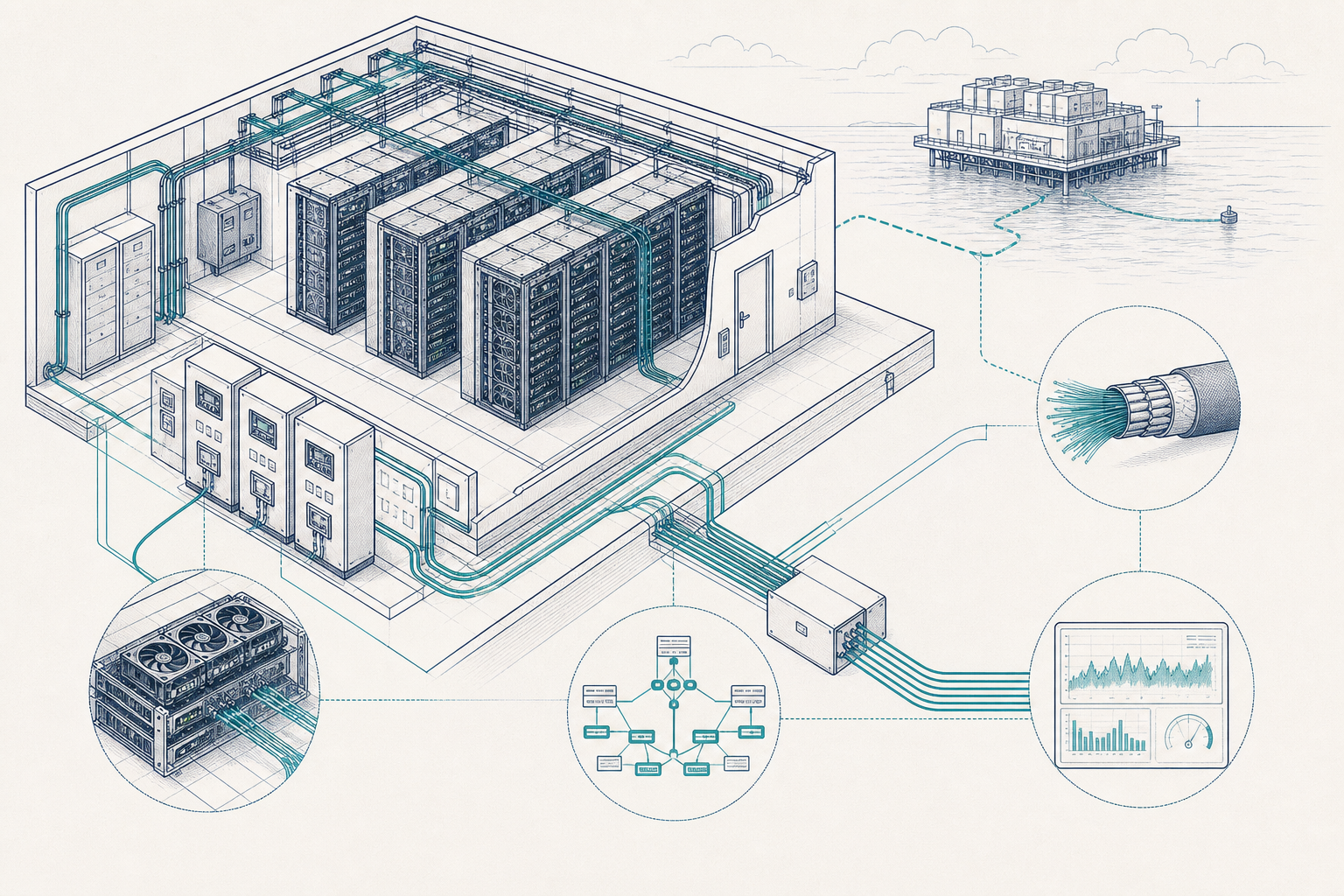
YC’s floating data centers point to GPU bottlenecks
Automarine and Dipole Labs are early signals of power, siting and fabric constraints that quarter-rack to few-rack GCC GPU operators must manage now.
12 min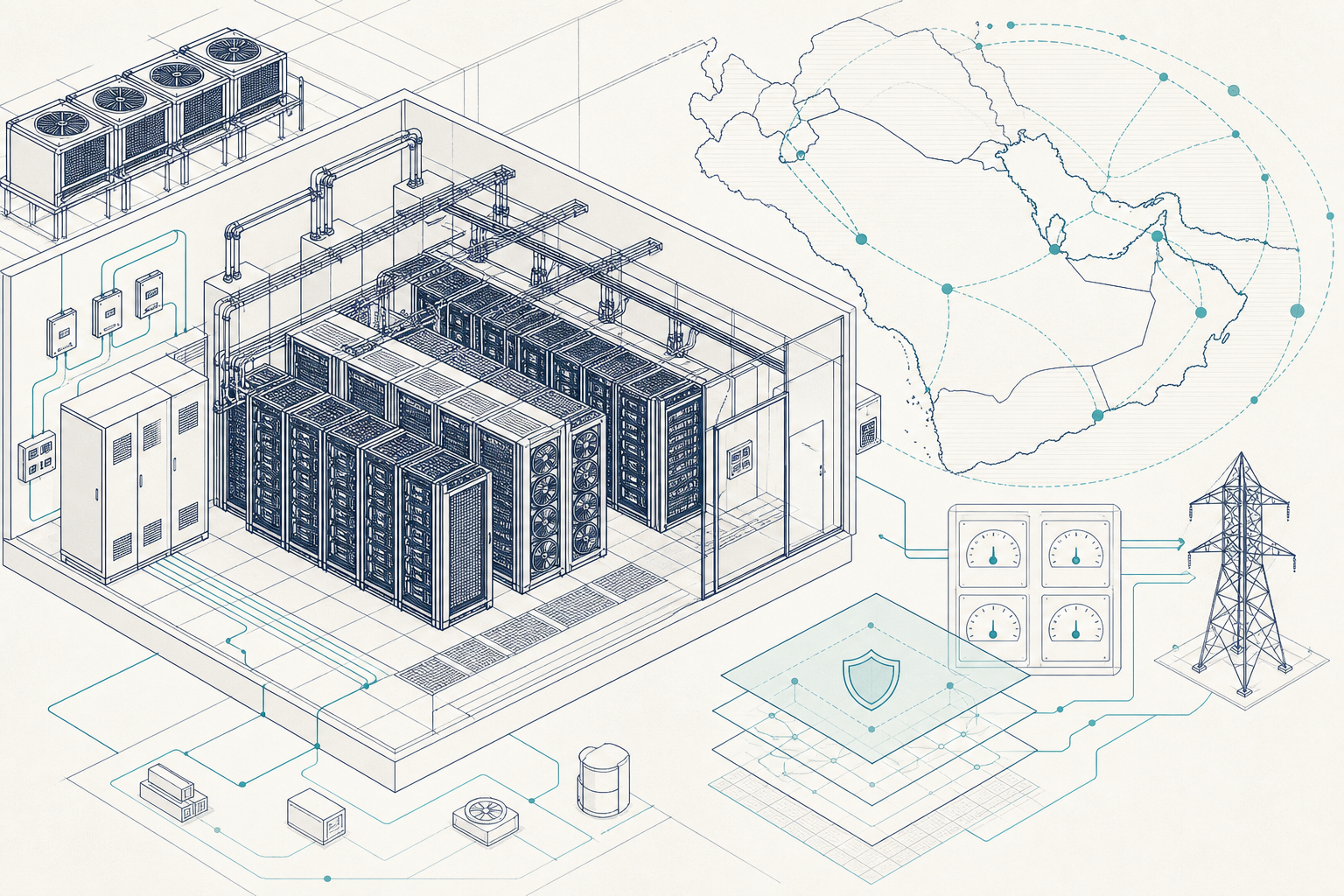
Mistral’s €3B round raises GCC GPU estate questions
Mistral’s €3B sovereign AI round turns model hosting into an operator problem: policy, utilization, quotas and chargeback on local GPU fleets.
12 min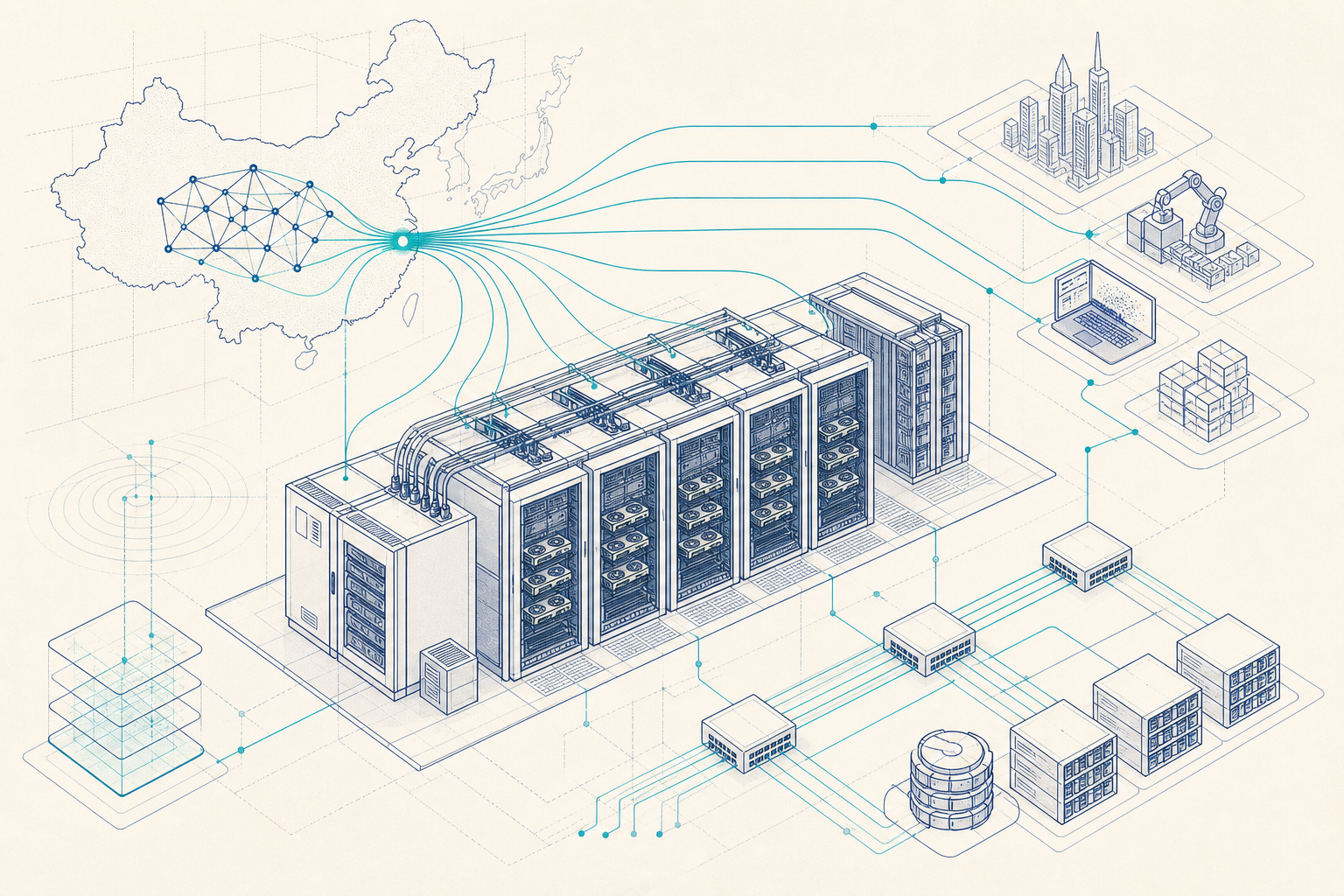
Hy4 preview and DeepSeek Harness stress small GPU fleets
China-origin long-context models make routing, quotas, GPU partitioning and chargeback a control-plane problem for quarter-rack to few-rack operators.
10 min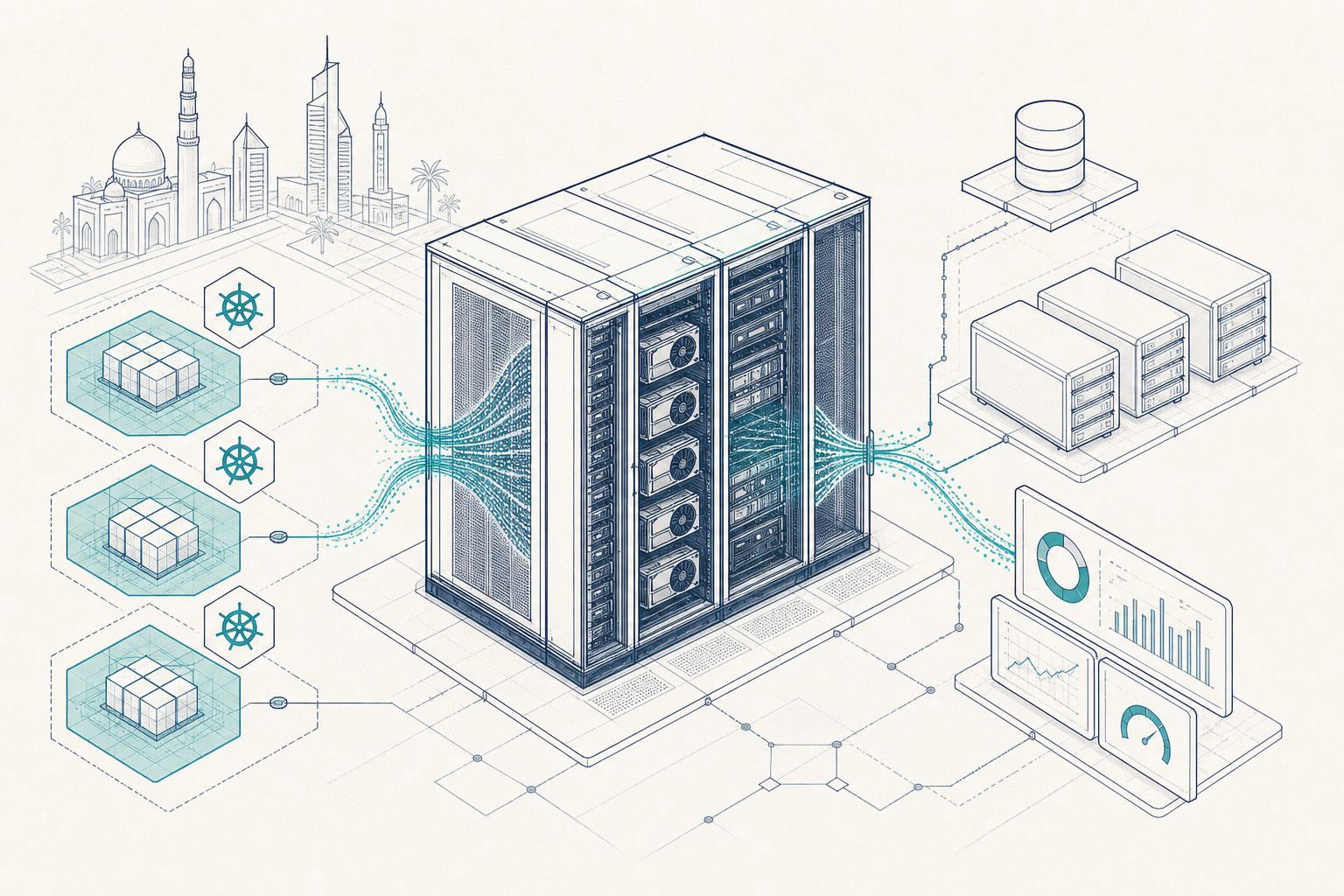
Ox Alpha shifts the on-prem GPU bottleneck to VRAM
Z.ai’s Ox Alpha shows why open-weight reasoning models stress small GPU estates: VRAM, tenancy, quotas, metering and power now matter as much as raw tokens.
11 min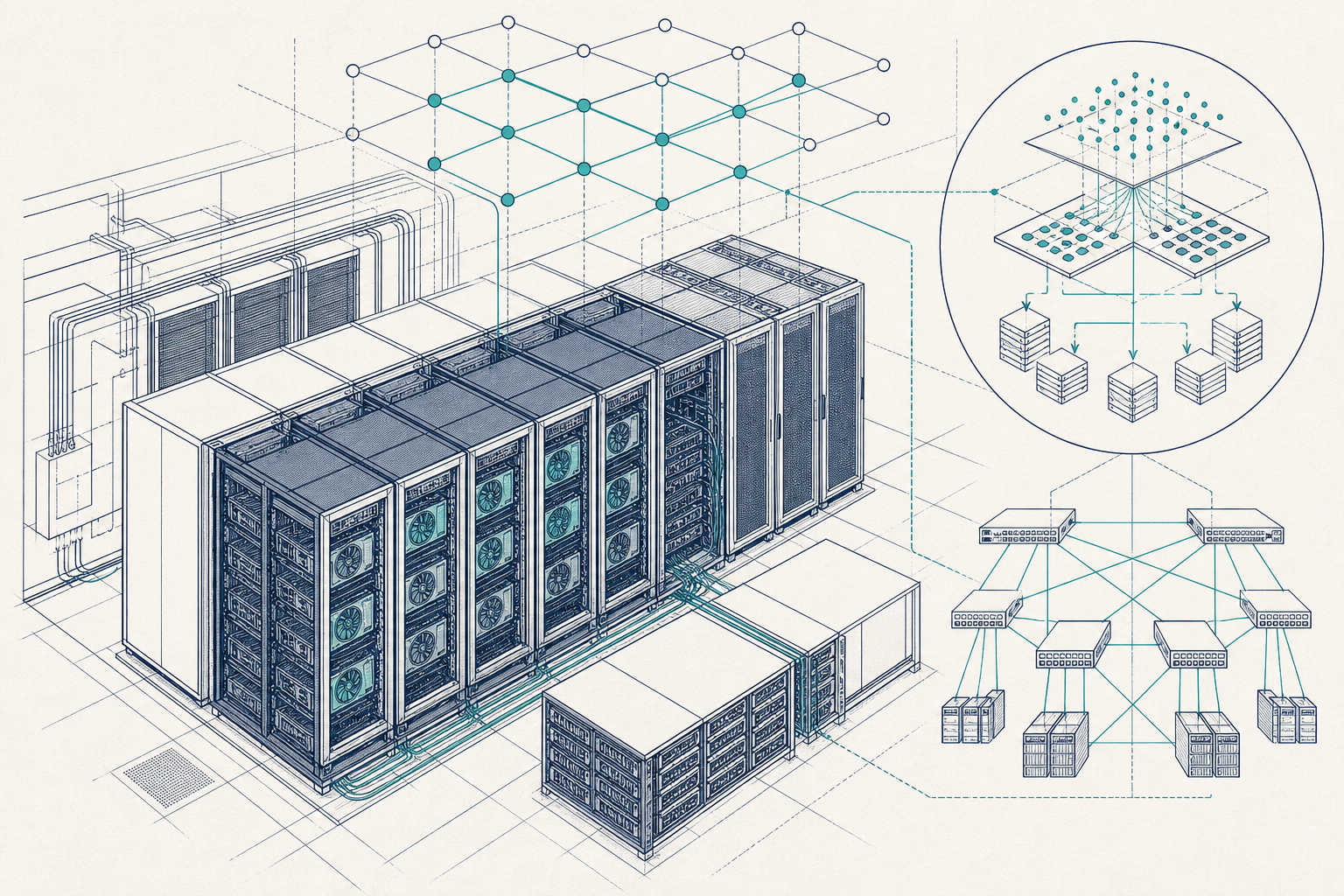
Keenable’s seed round puts retrieval on the GPU plan
Keenable’s $26M seed round is a reminder that AI search and retrieval are infrastructure workloads, not just API calls.
12 min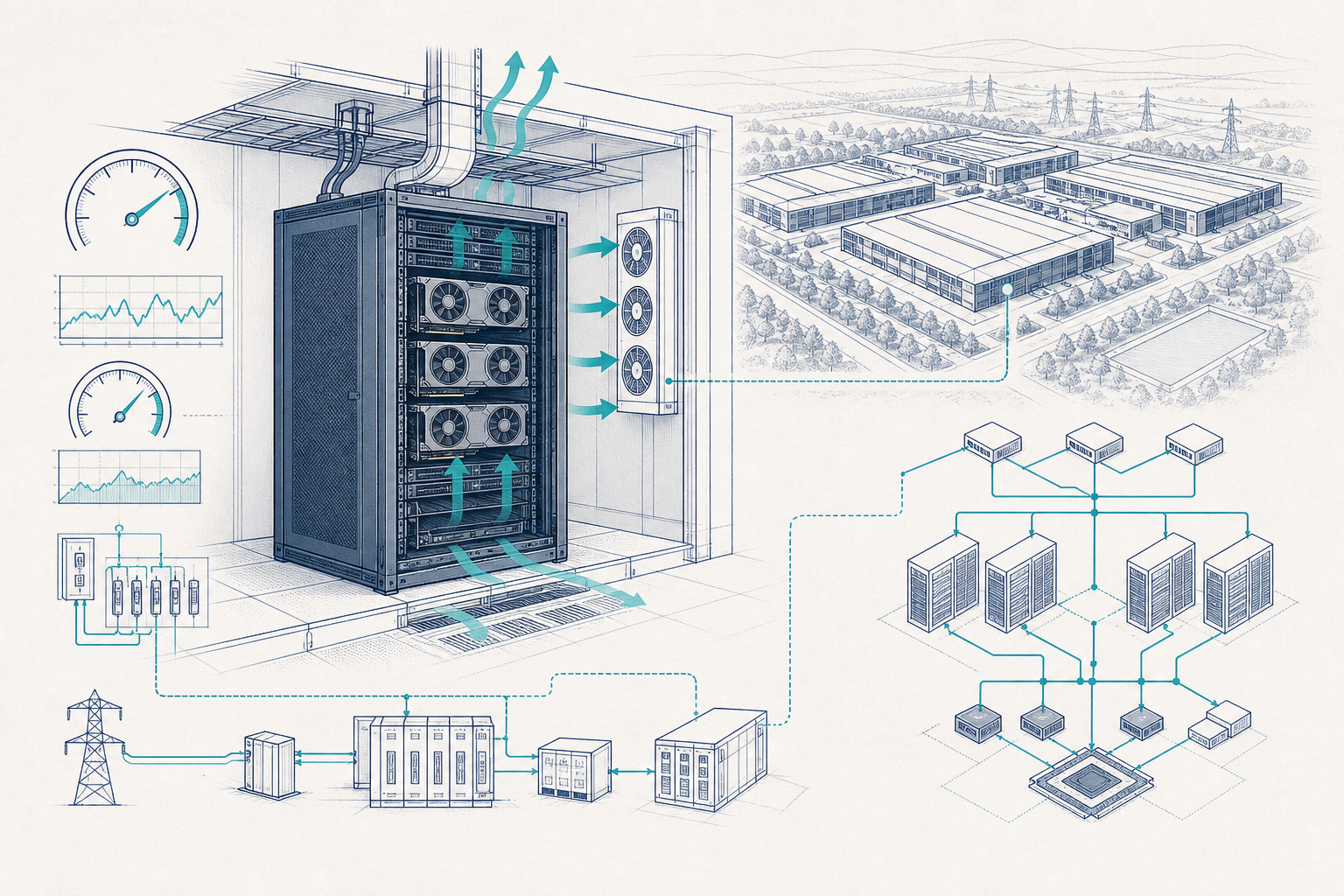
PORTS AI campus puts power economics in view
NVIDIA’s PORTS disclosure shows AI capacity is now a power and cooling problem. Smaller GPU operators need the same discipline at rack scale.
13 min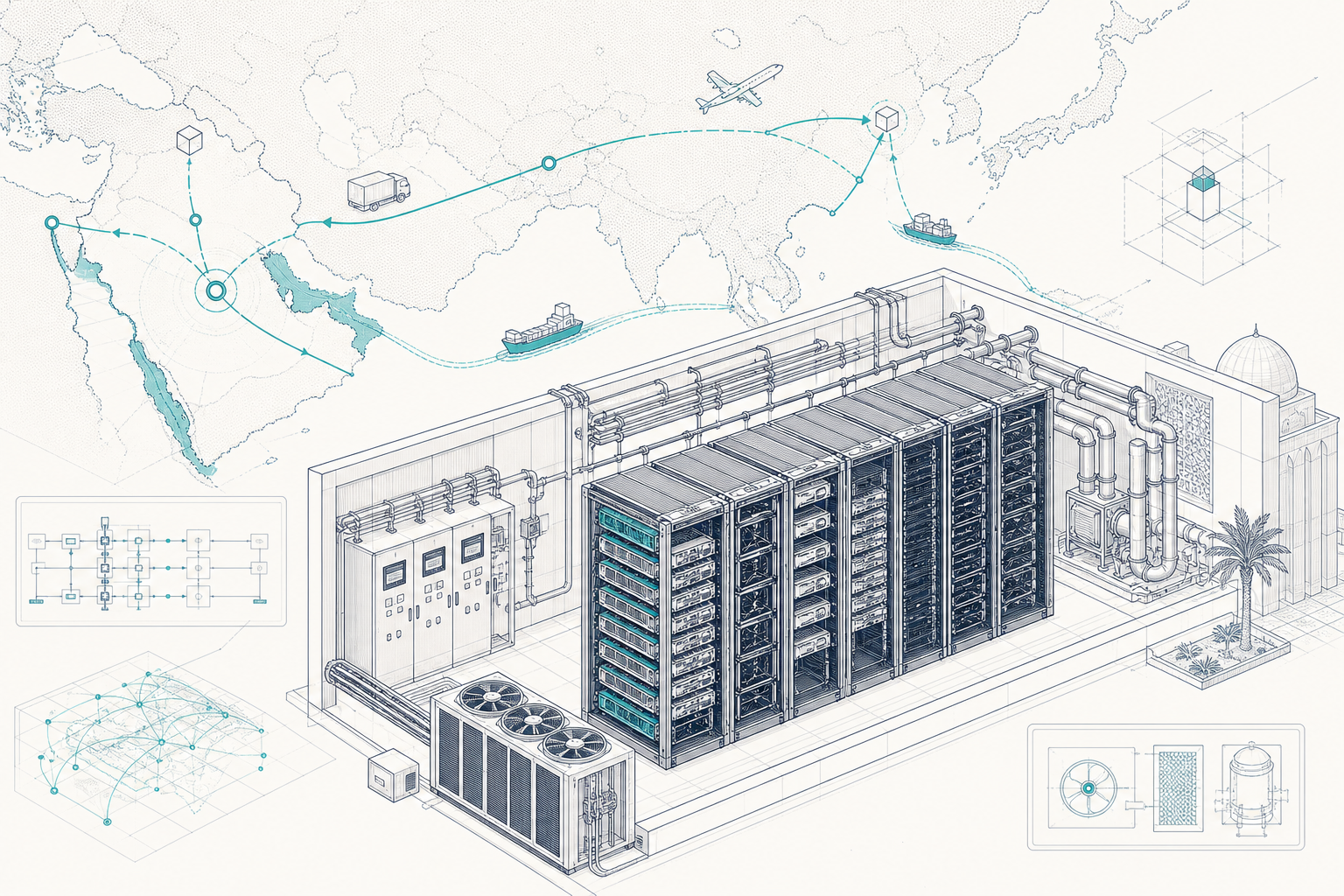
Alibaba’s AI raise and the MENA GPU bottleneck
Alibaba’s HK$80B AI raise points to a practical issue for GCC/MENA GPU operators: supply, hosting concentration, and utilization discipline.
11 min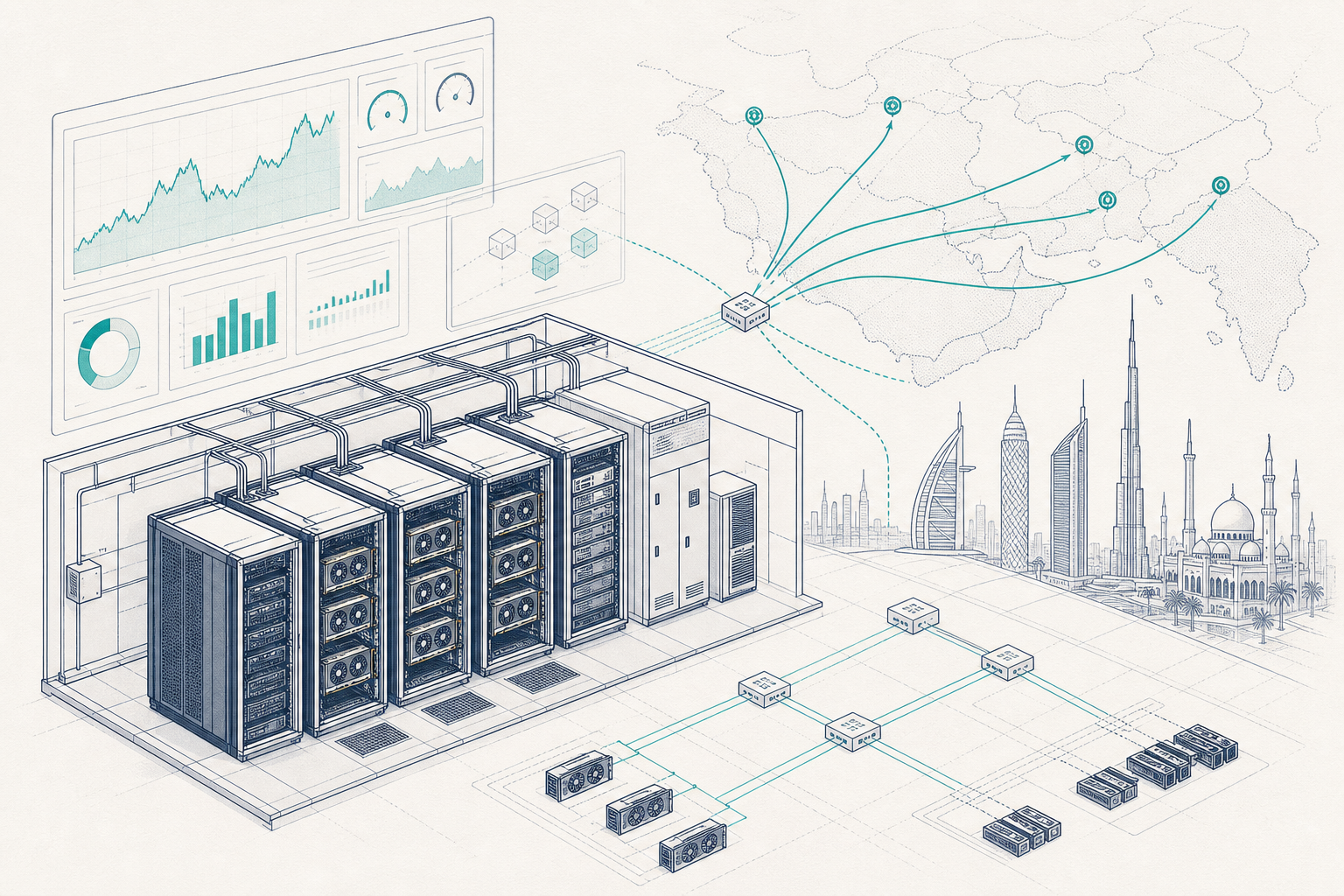
CGI puts GPU price discovery on the operator backlog
Product Hunt’s weekly ranking shows demand for GPU price indices and routing layers. Small GPU estates now need metering that stands up to chargeback.
13 min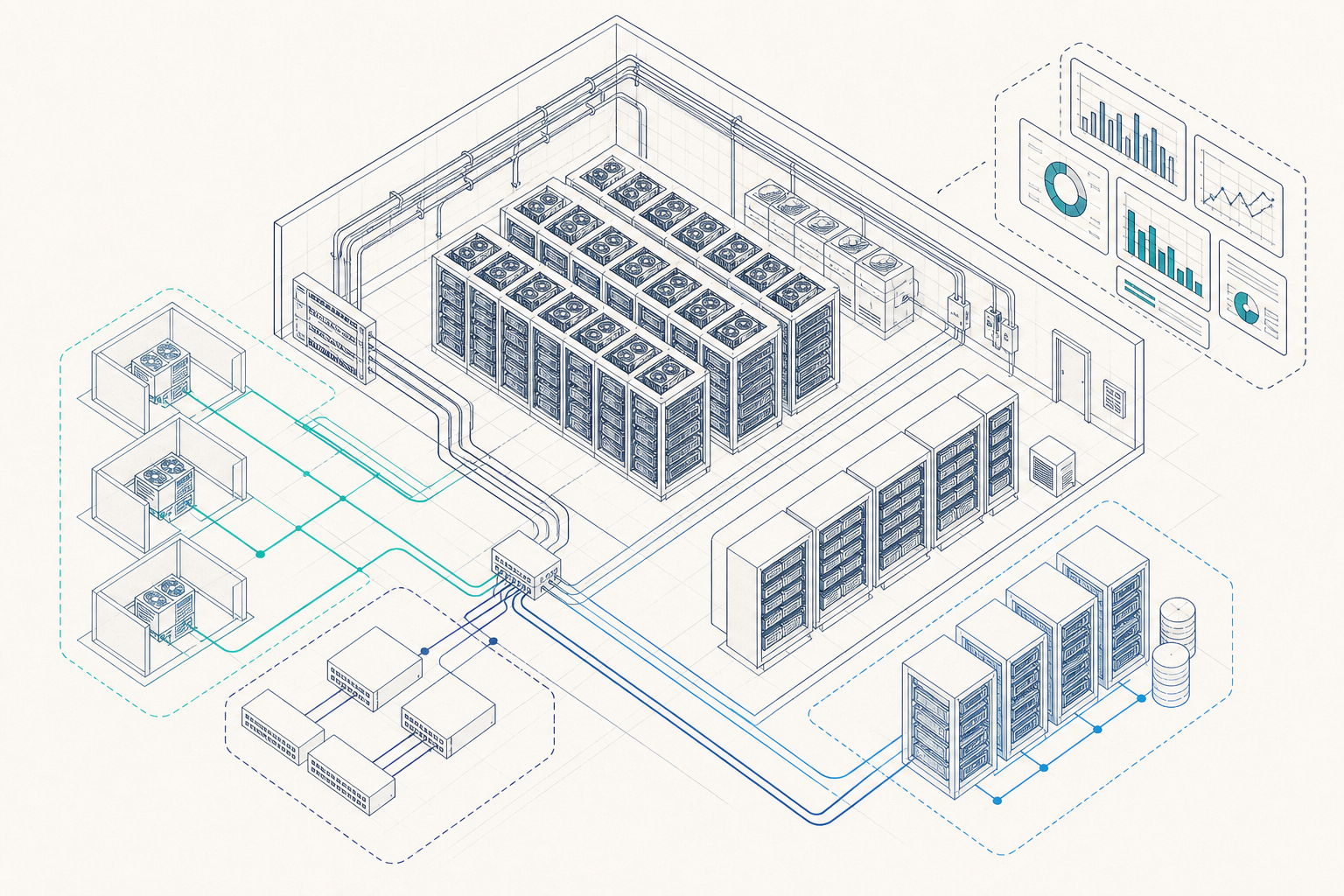
Agent sandboxes will strain small GPU estates
Daytona, Naïve and Keenable point to a practical bottleneck: secure agent tenancy and retrieval traffic, not only raw GPU count.
12 min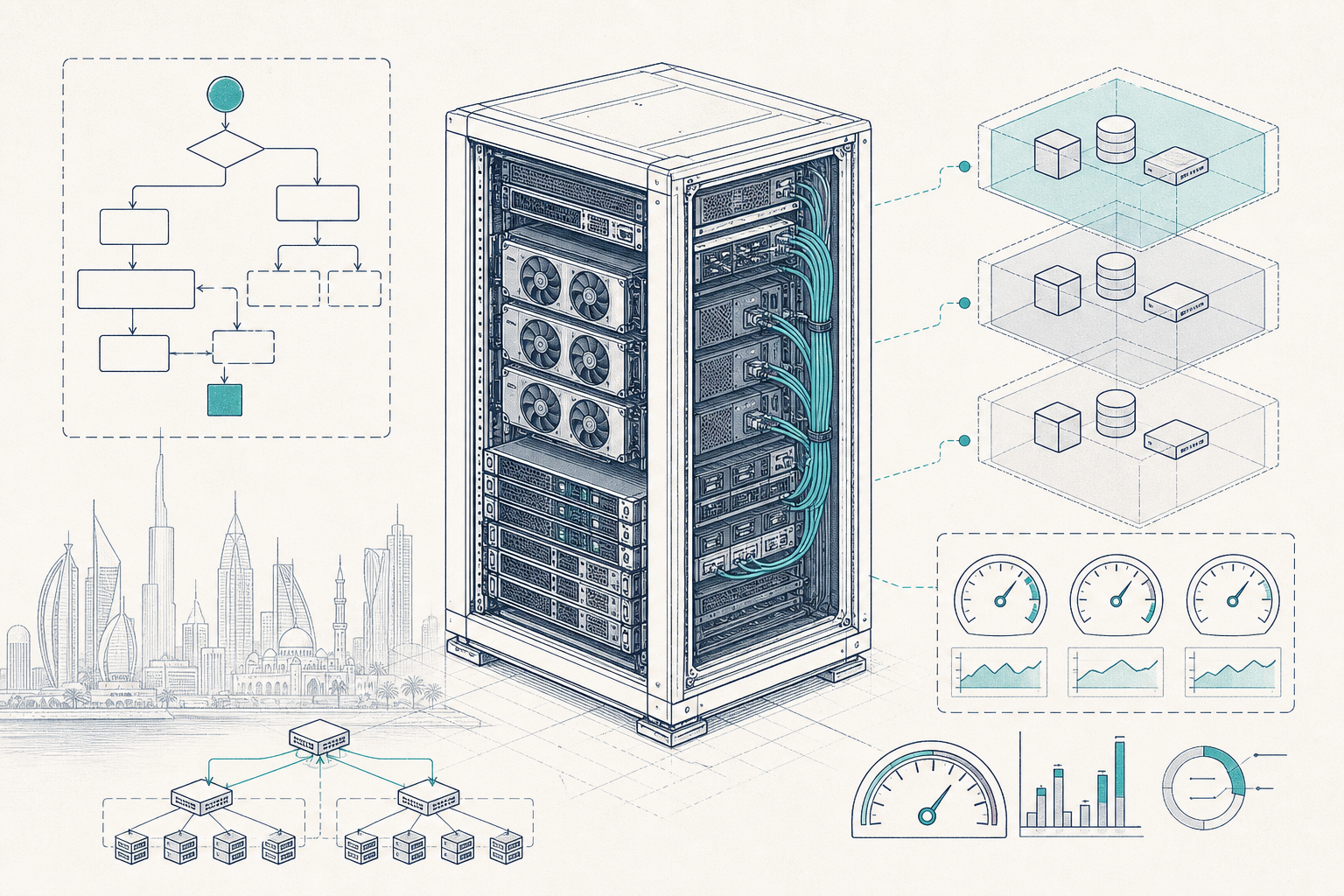
COFE Tech puts agentic procurement on Gulf GPU estates
COFE Tech’s pre-IPO round points to a near-term GCC bottleneck: segregating, metering and governing multi-tenant agentic commerce workloads.
13 min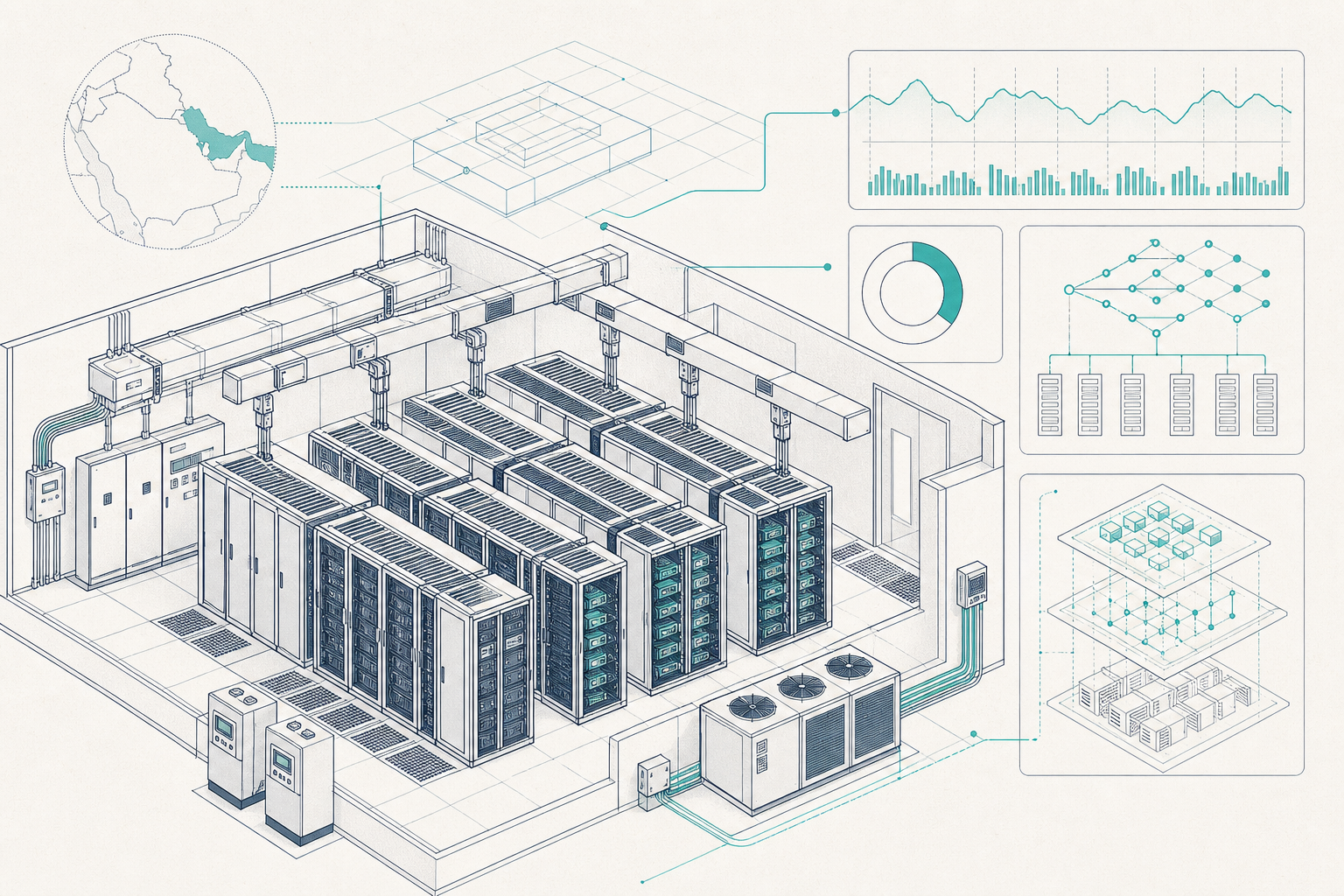
AI capital is moving to power and racks
a16z’s Machine Age fund and Nvidia-linked power bets point to the same bottleneck: owned GPU estates need better utilization, tenancy and chargeback.
12 min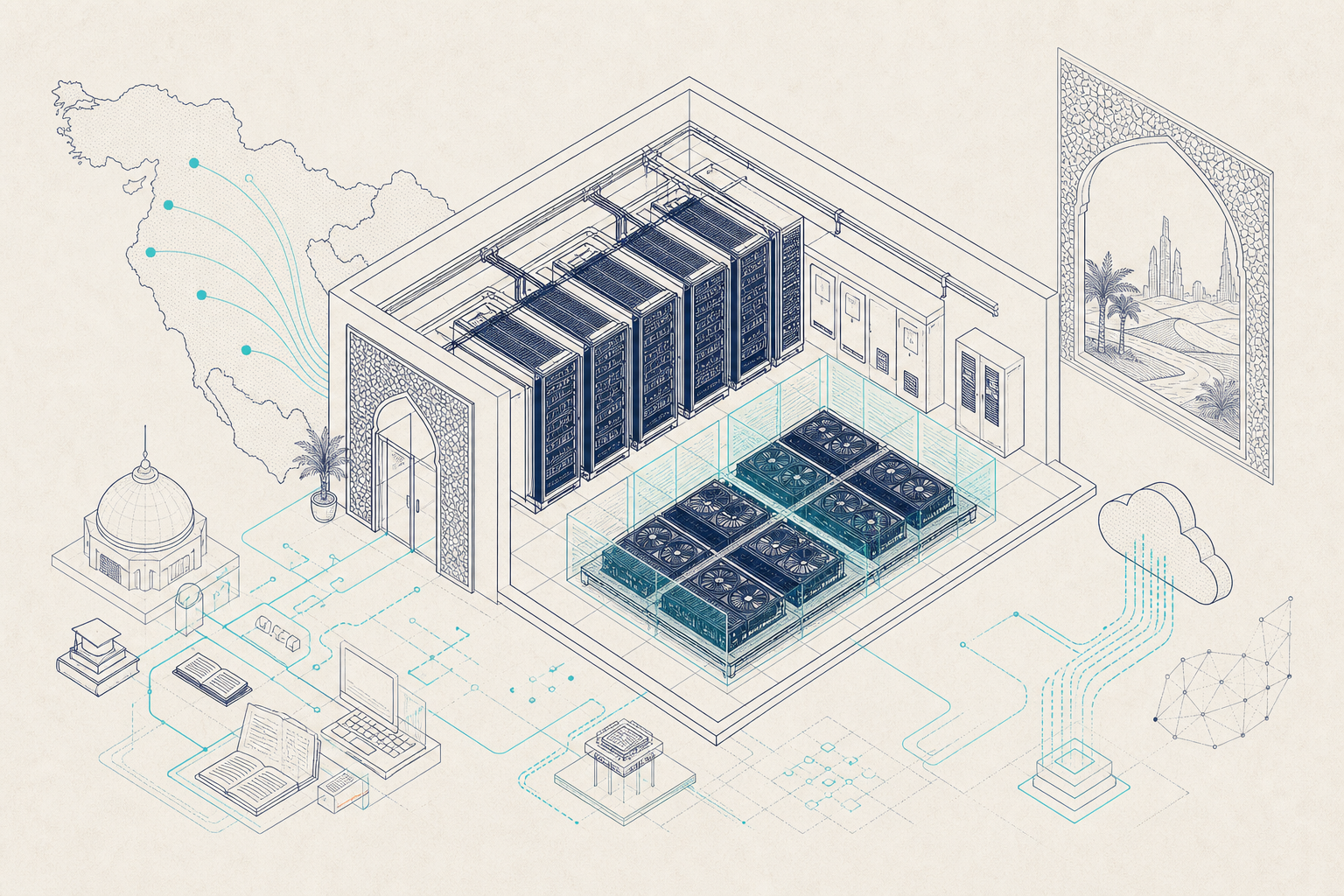
UMAMI LOS exposes the MENA GPU tenancy problem
UMAMI’s LOS launch turns sovereign AI learning into an operator problem: tenant isolation, GPU sharing, metering and national data residency on small fleets.
11 min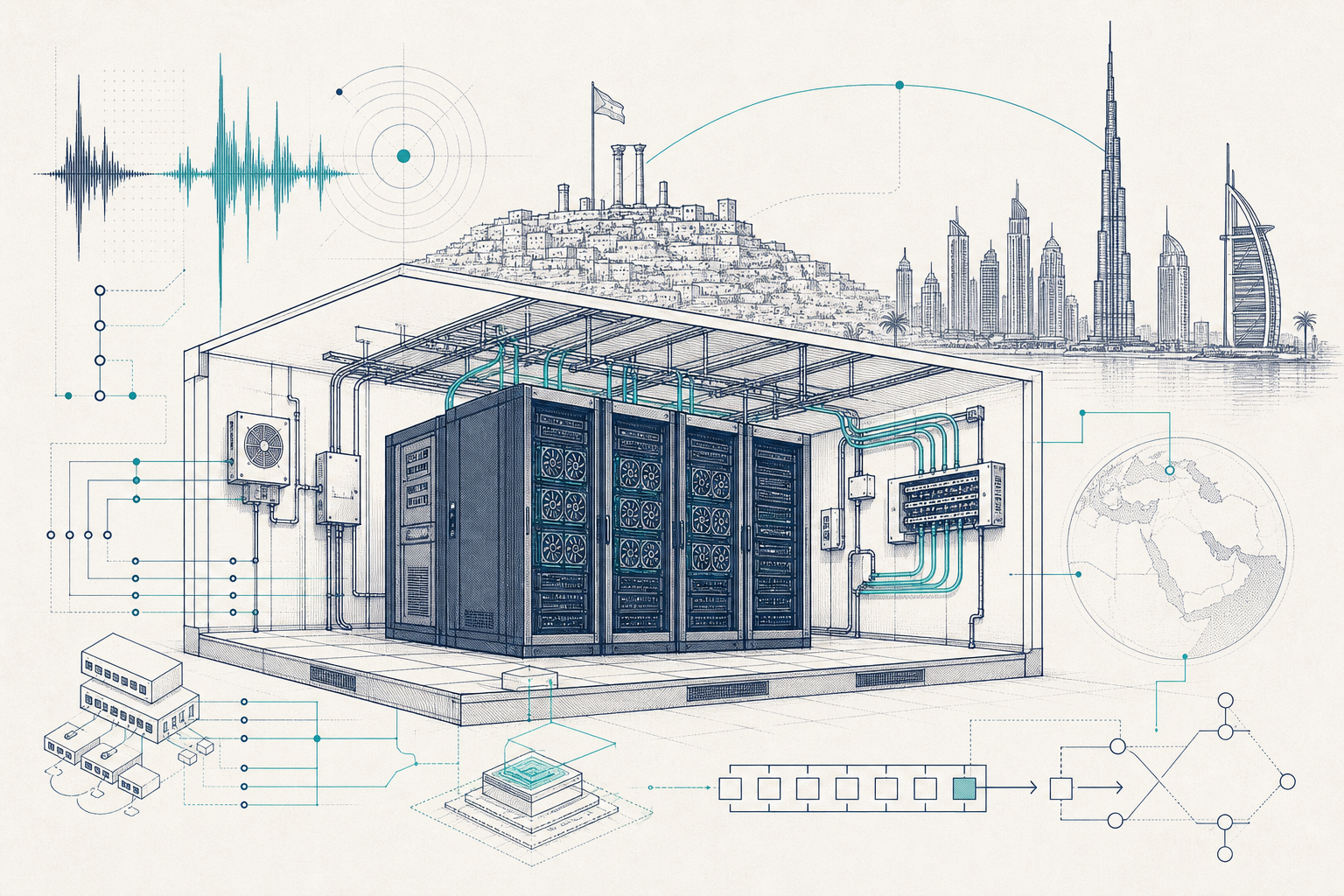
HeyBreez and MENA voice AI inference operations
HeyBreez raised $2.5M to build enterprise voice AI. For regional GPU operators, the hard part is low-jitter inference with chargeback and sovereignty.
13 min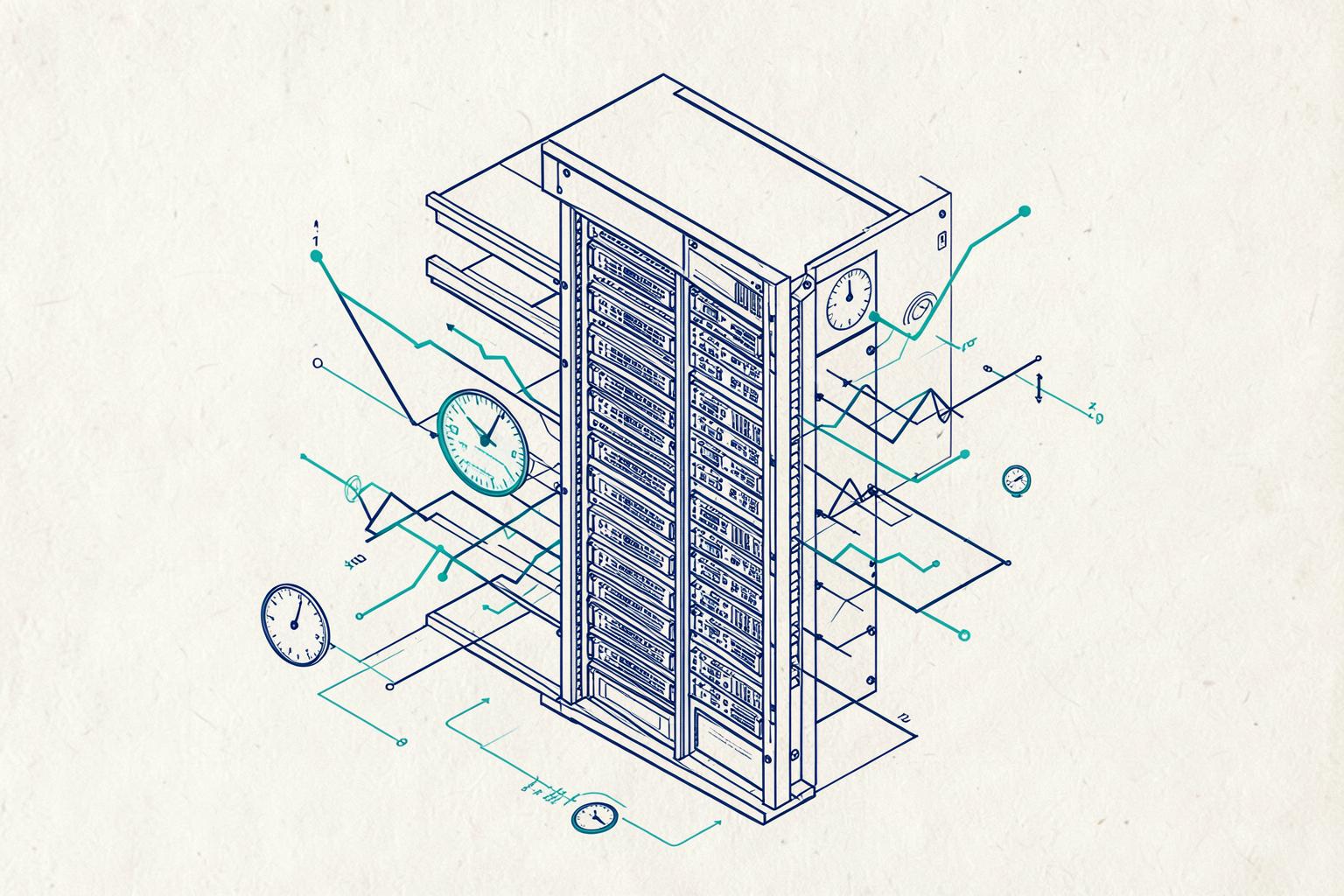
nvidia-smi for cluster operators: from CLI to automated fleet telemetry
A field guide to utilization, power and thermals across racks, and where manual polling stops scaling.
12 min