A daily read for AI infrastructure operators.
AI news from the GCC, MENA, open source and China: translated every morning into the real bottlenecks of running GPUs on your own hardware.

What is sovereign AI?
A practical guide to keeping data, models, compute, operations, and governance under organizational control.
8 min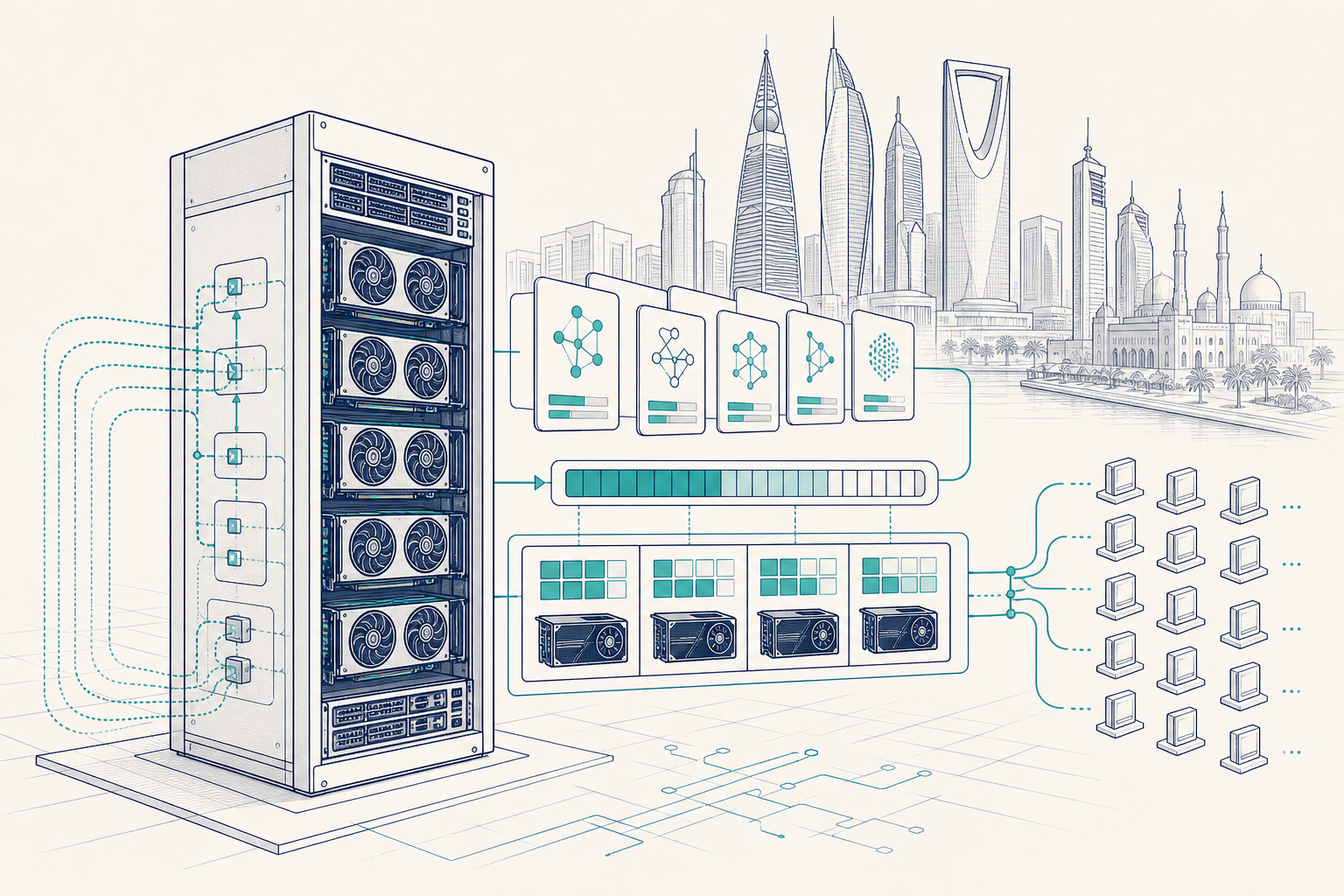
Fal funding puts inference on the GPU estate plan
Fal raised $1.3 billion at a $16 billion valuation. For smaller GPU operators, the signal is clear: inference utilization now needs active engineering.
15 min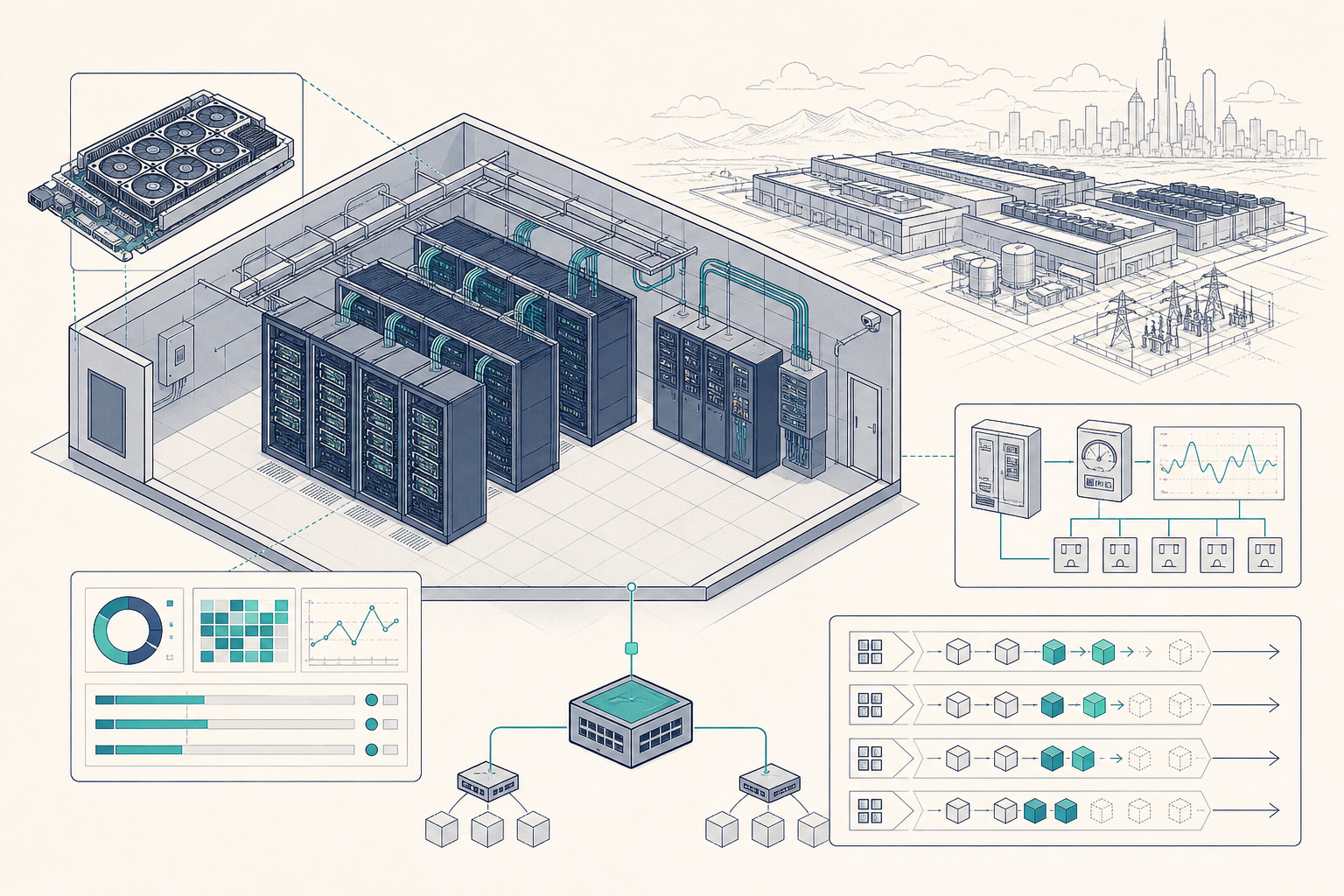
$900B AI compute commitments raise the utilization bar
Anthropic’s reported IPO and infrastructure commitment show why smaller GPU estates must manage queues, partitioning, chargeback, and sovereignty as first-class controls.
11 min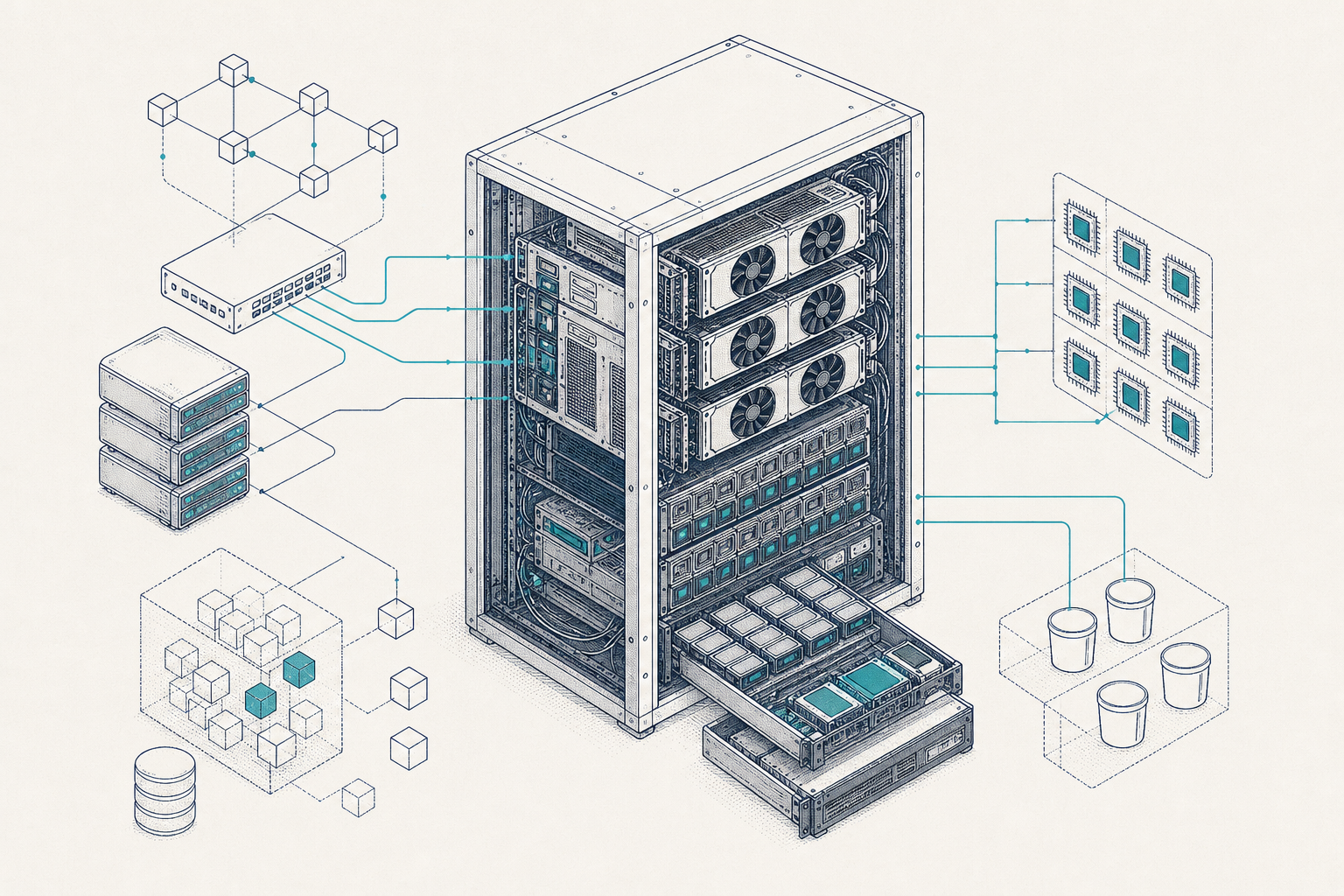
Dropbox Tigris deal points to AI storage bottlenecks
Dropbox buying Tigris Data highlights a practical AI constraint: GPUs are only as productive as the object storage, cache, staging, and network paths feeding them.
13 min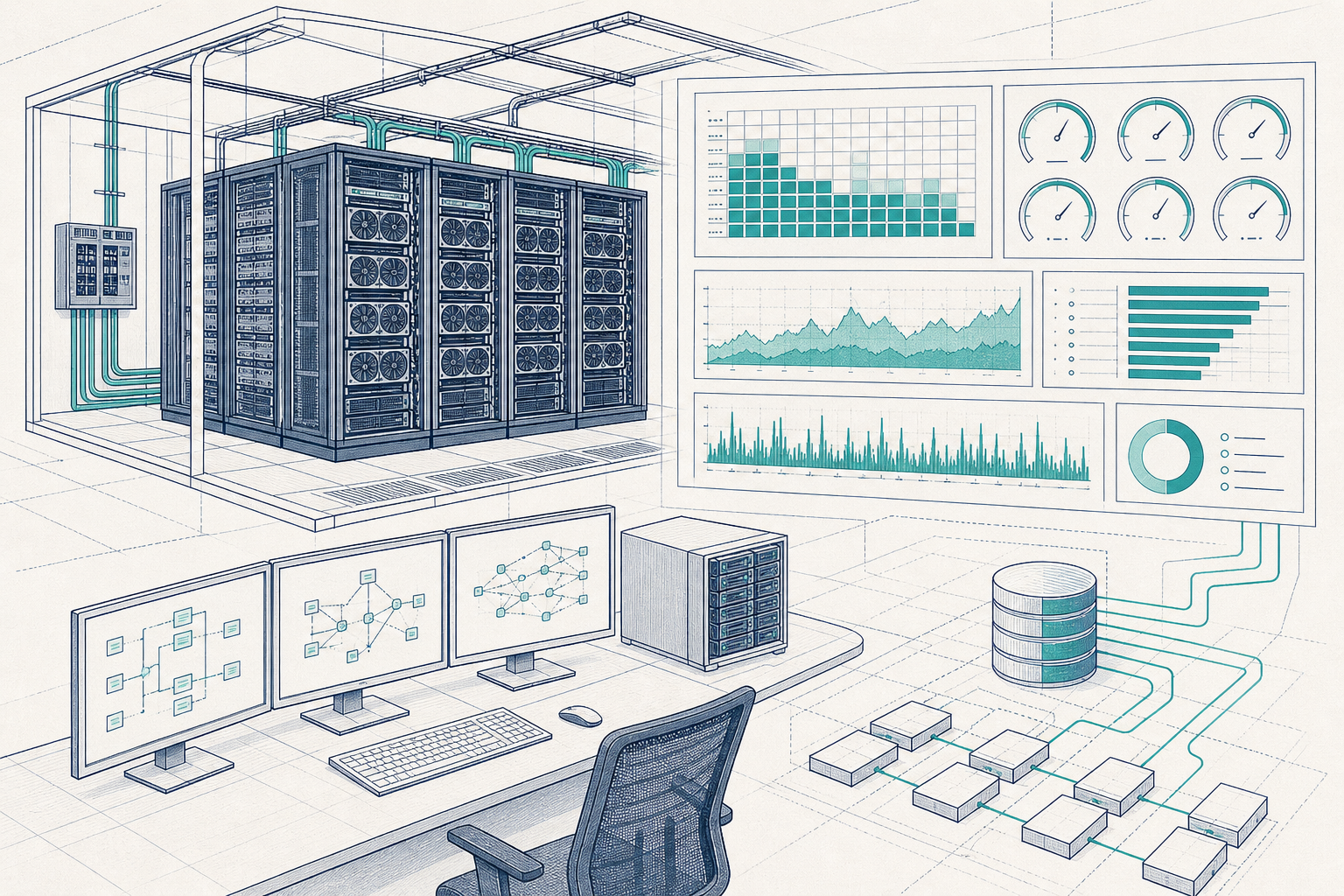
Trajectory Funding Tests GPU Admission Control
Trajectory raised $45M to simplify AI training. For few-rack operators, the hard part is not the button, it is protecting GPUs, storage, quotas, and power.
11 min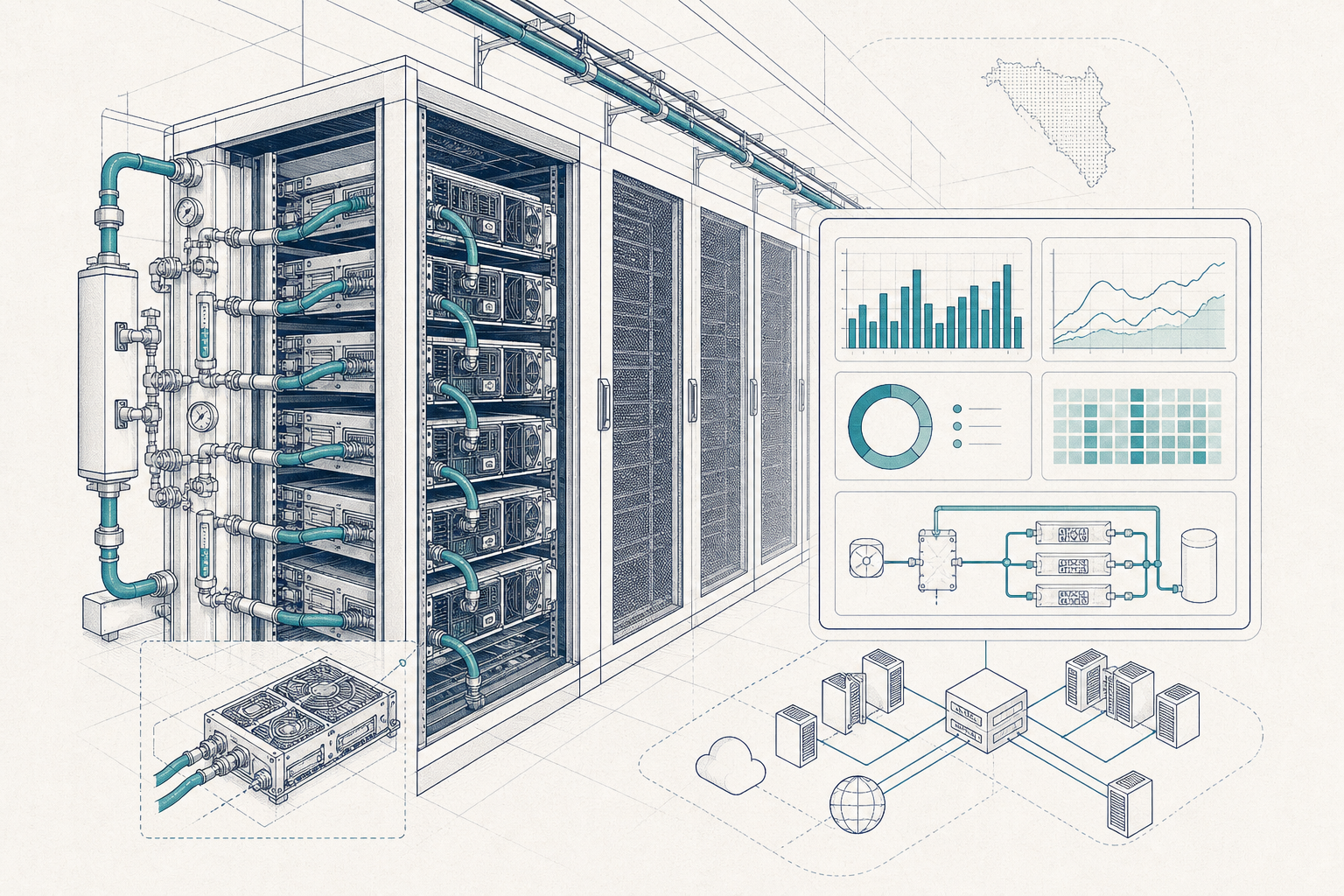
Liquid cooling telemetry enters the GPU control plane
Omen AI bought Aquatic Labs for $16M. The operator lesson is clear: dense GPU racks need coolant telemetry tied to scheduling, quotas, and chargeback.
9 min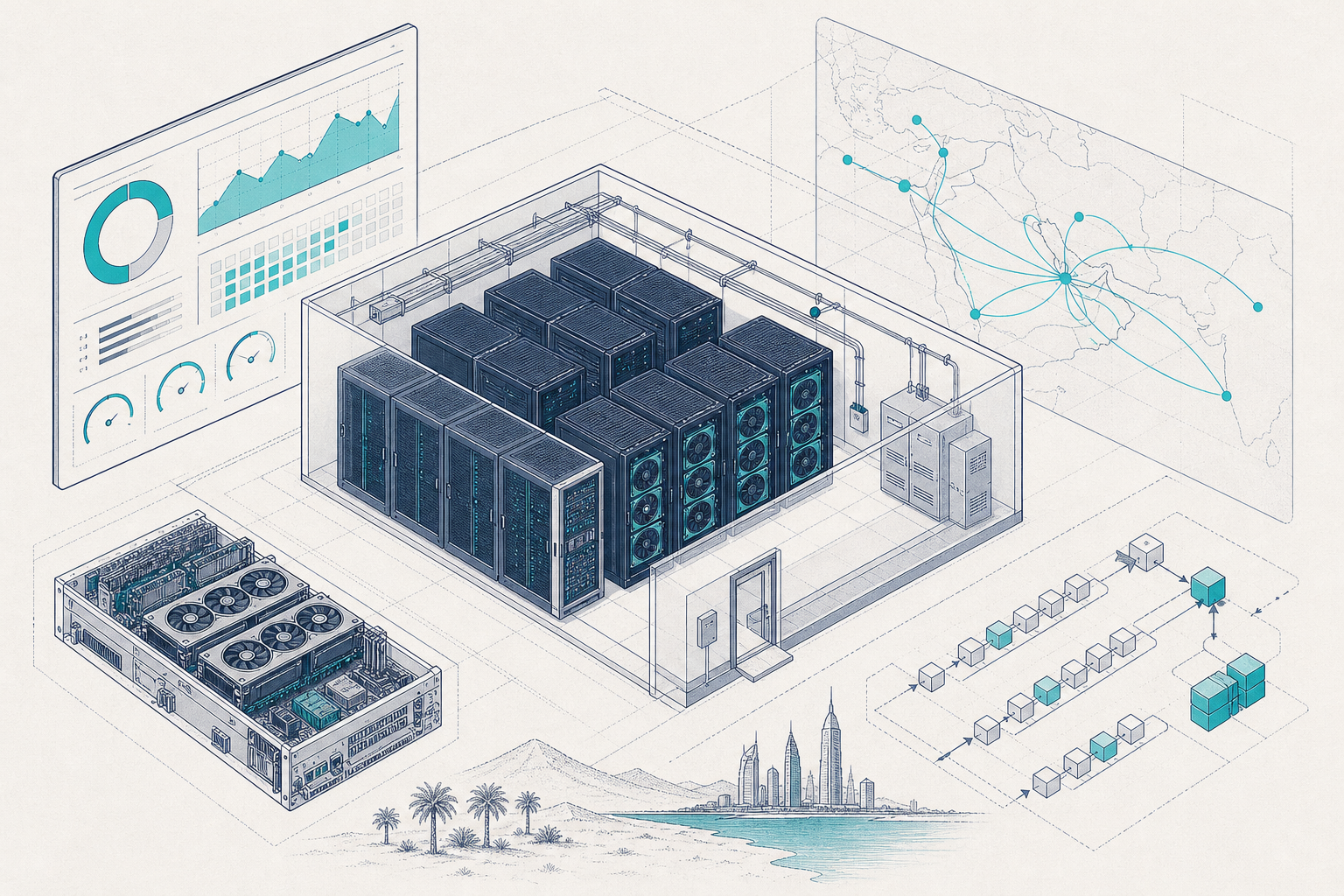
Fal funding tests small inference estates
Fal reached a reported $16B valuation as generative inference demand rises. The lesson for small GCC operators is not to copy hyperscale, but to specialize.
13 min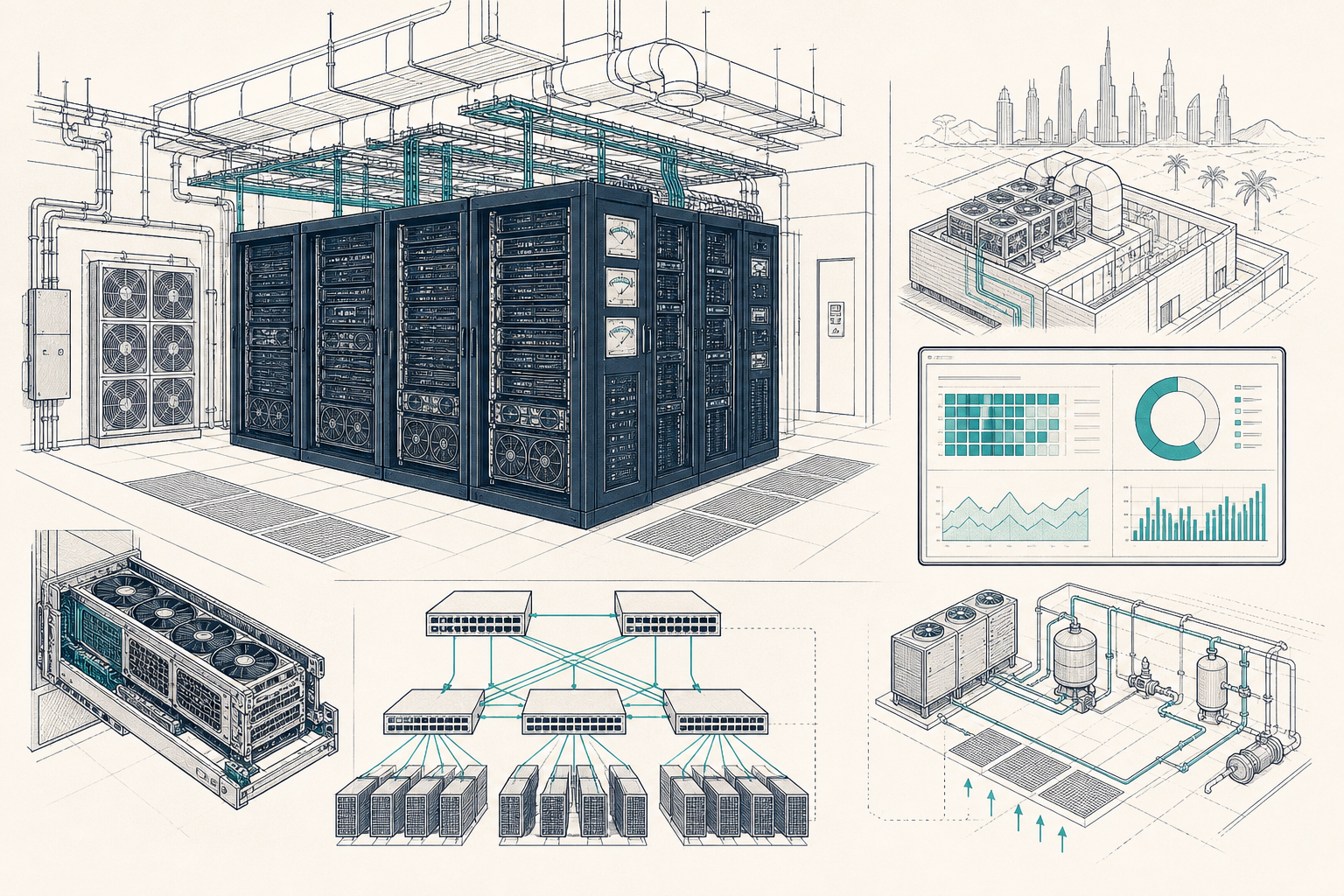
Nvidia and Nscale show why compact AI capacity needs metering
A West Virginia AI data center report is a reminder that compact sovereign GPU estates must quantify power, cooling, storage, network, and utilization before selling guarantees.
11 min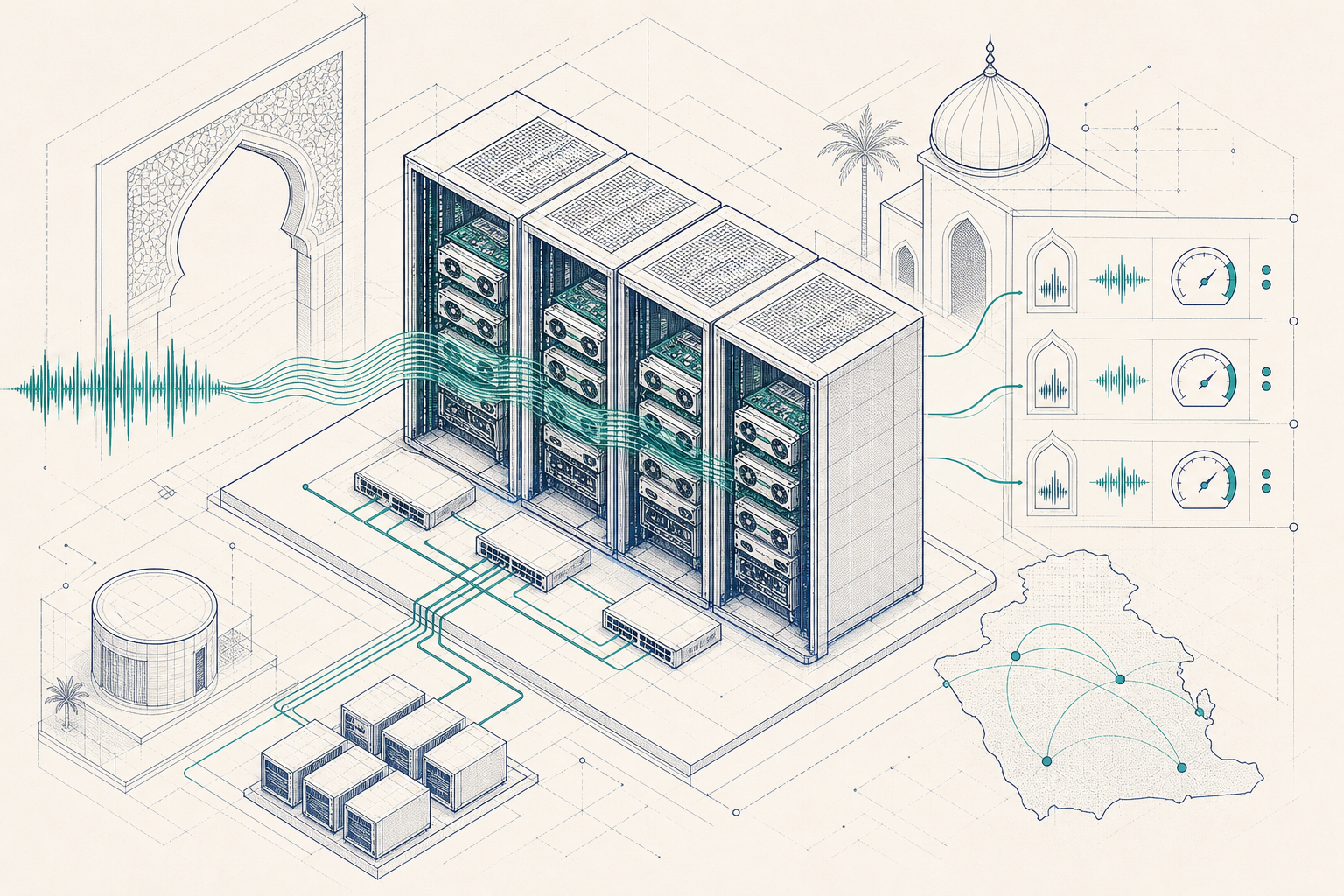
Deepgram Daily deal shows voice AI bottlenecks
Deepgram buying Daily puts voice AI infrastructure in focus: latency, concurrency, tenant isolation, GPU partitioning, and local Arabic deployment economics.
14 min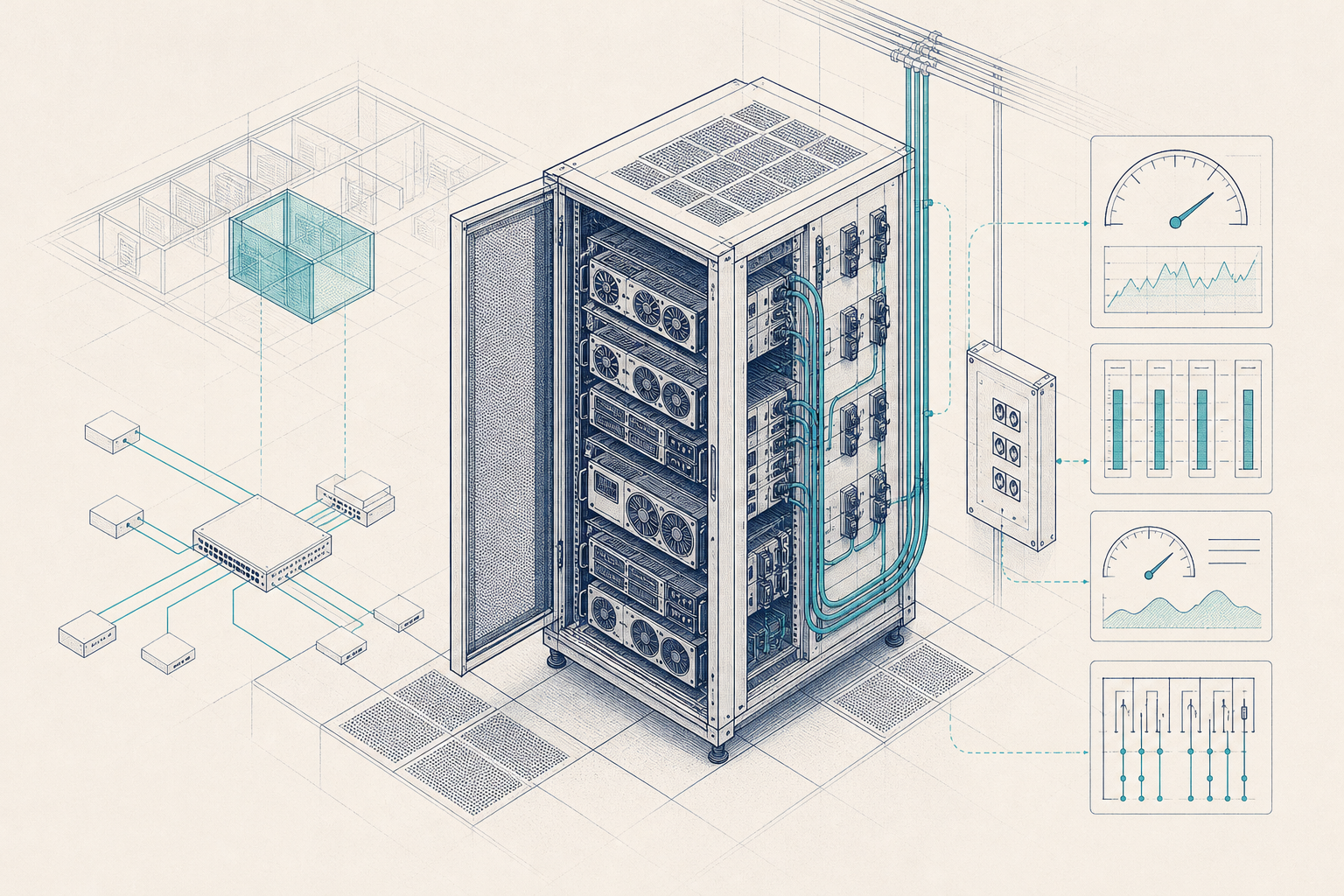
Tenstorrent valuation puts accelerator optionality on the rack
Tenstorrent's $6.2 billion valuation is a signal to test non-CUDA inference paths with quotas, metering, tenancy and power math before buying capacity.
12 min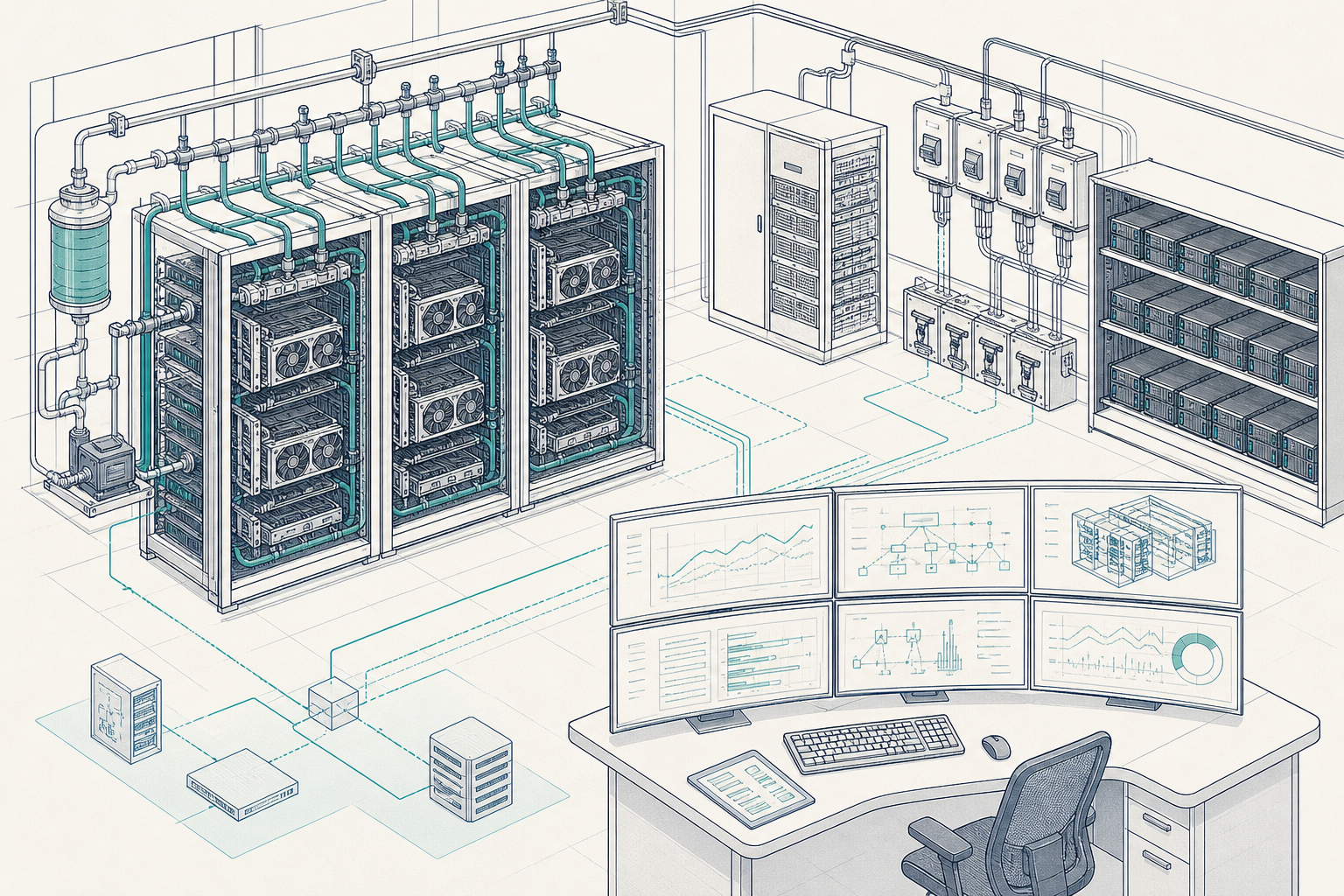
AI infrastructure consolidation reaches cooling and storage
Fal, Omen AI, and Dropbox point to one operator problem: GPU scheduling, storage, cooling telemetry, power, and tenant billing can no longer live apart.
12 min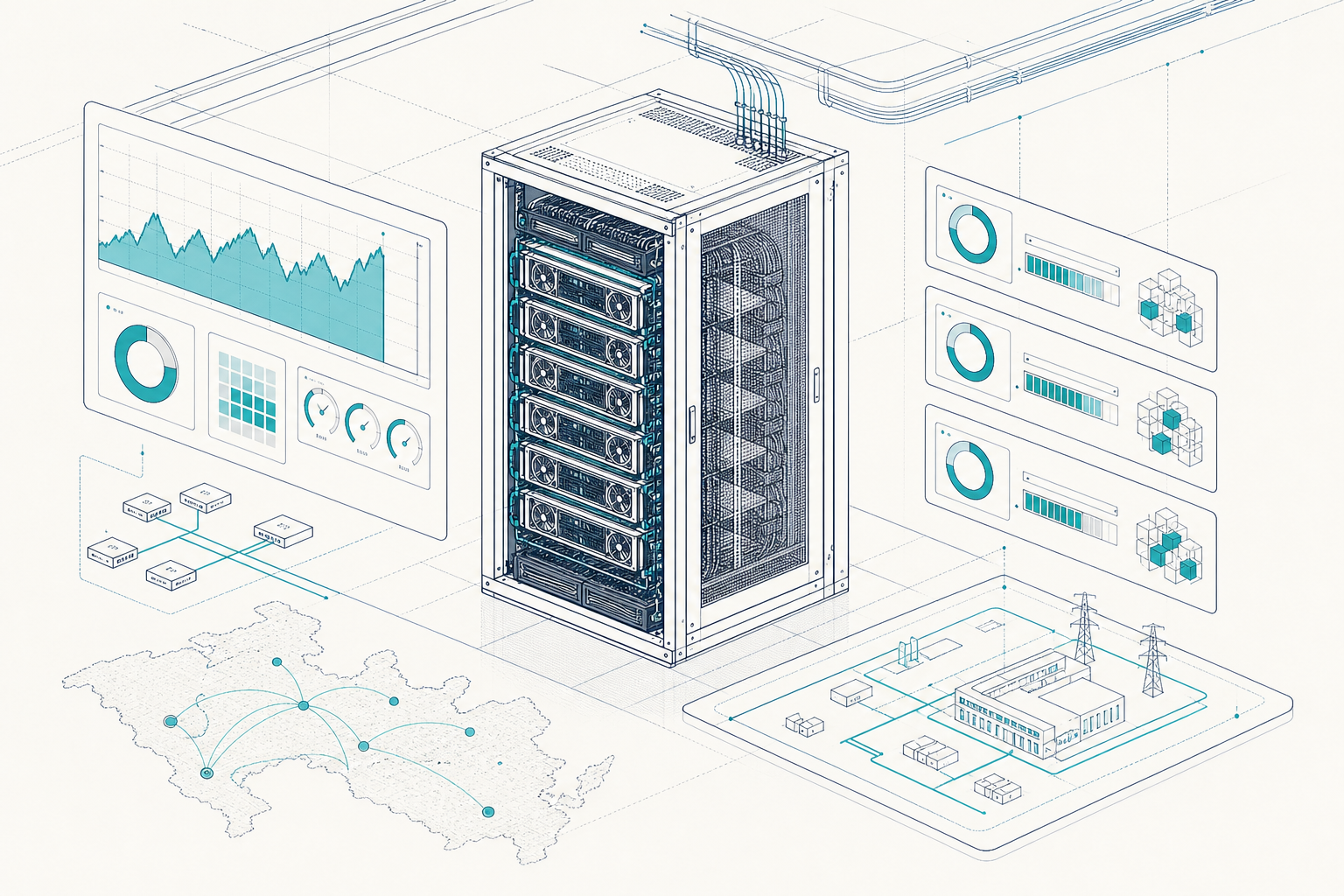
Agent token bills are now a GPU operator signal
A reported 200,000 dollar annual AI agent token bill shows why local inference economics depend on batching, quotas, metering, and tenancy.
13 min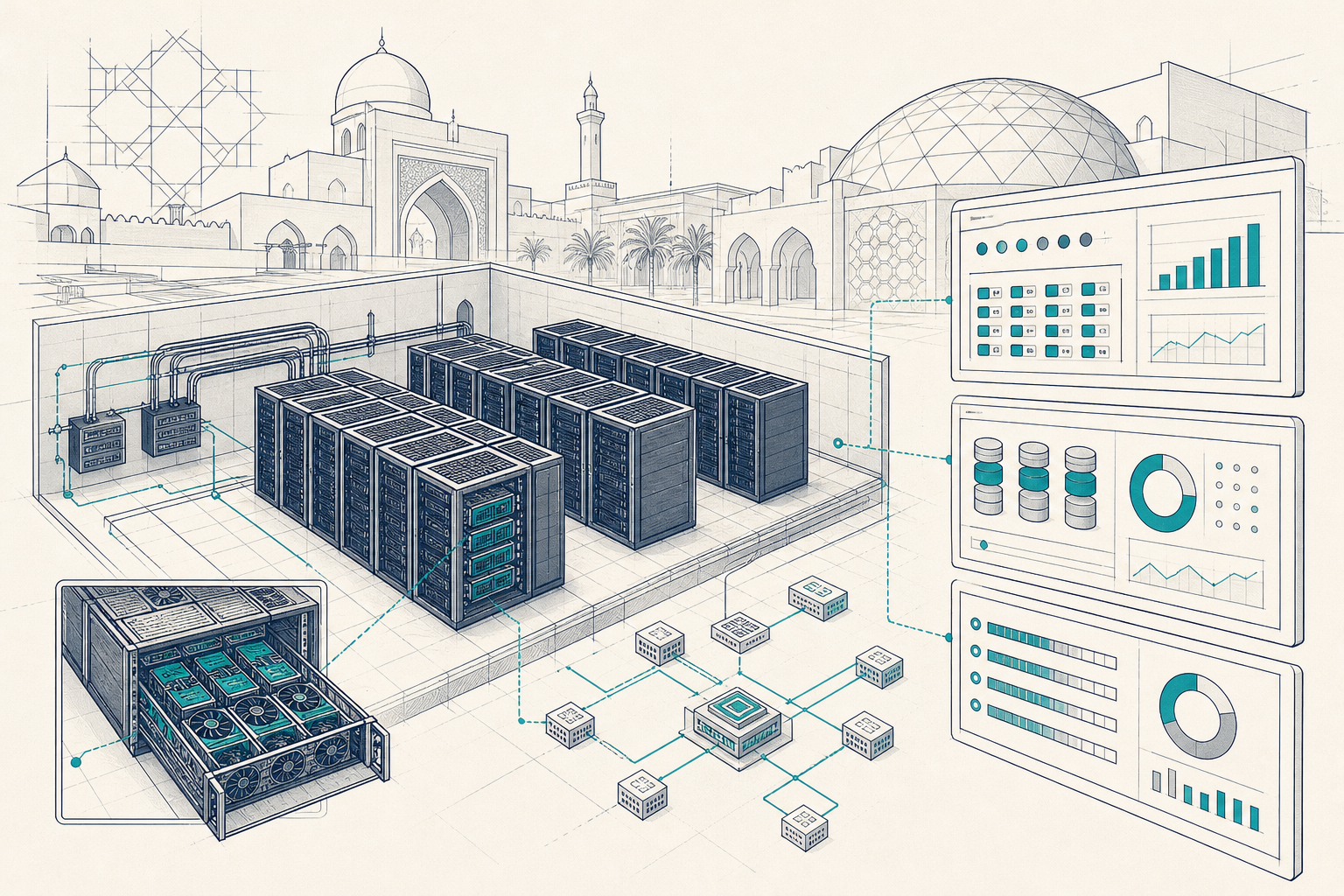
Open agent models will test local GPU scheduling
Nvidia's new open models point to more agent inference on owned hardware. The bottleneck is not only GPUs, it is queues, storage, isolation, and metering.
13 min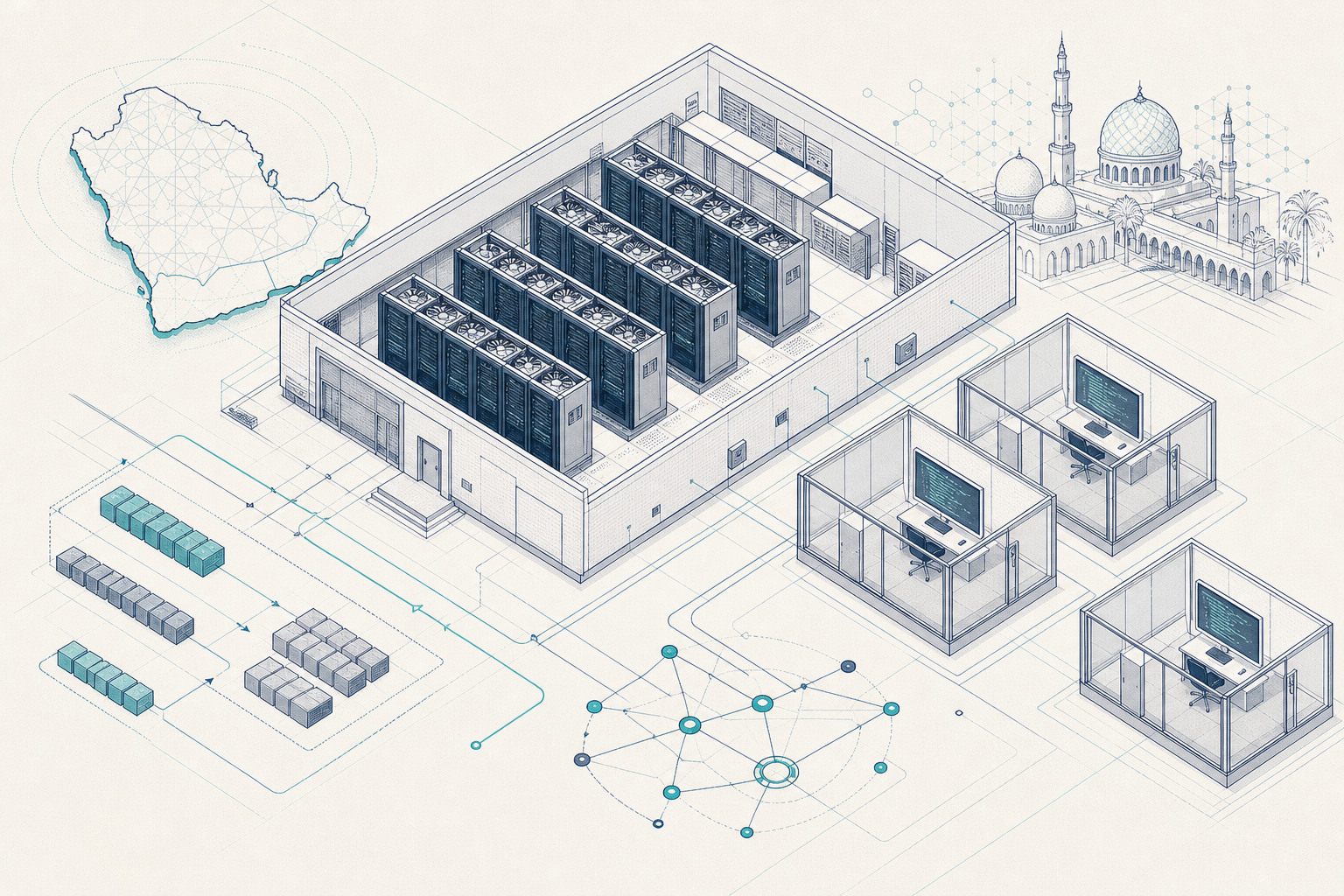
Meta buys Conductor and exposes the GPU scheduling gap
Agentic coding turns one prompt into many workspaces, model calls, caches, secrets, and chargeback lines. Small GPU estates need controls before pilots scale.
12 min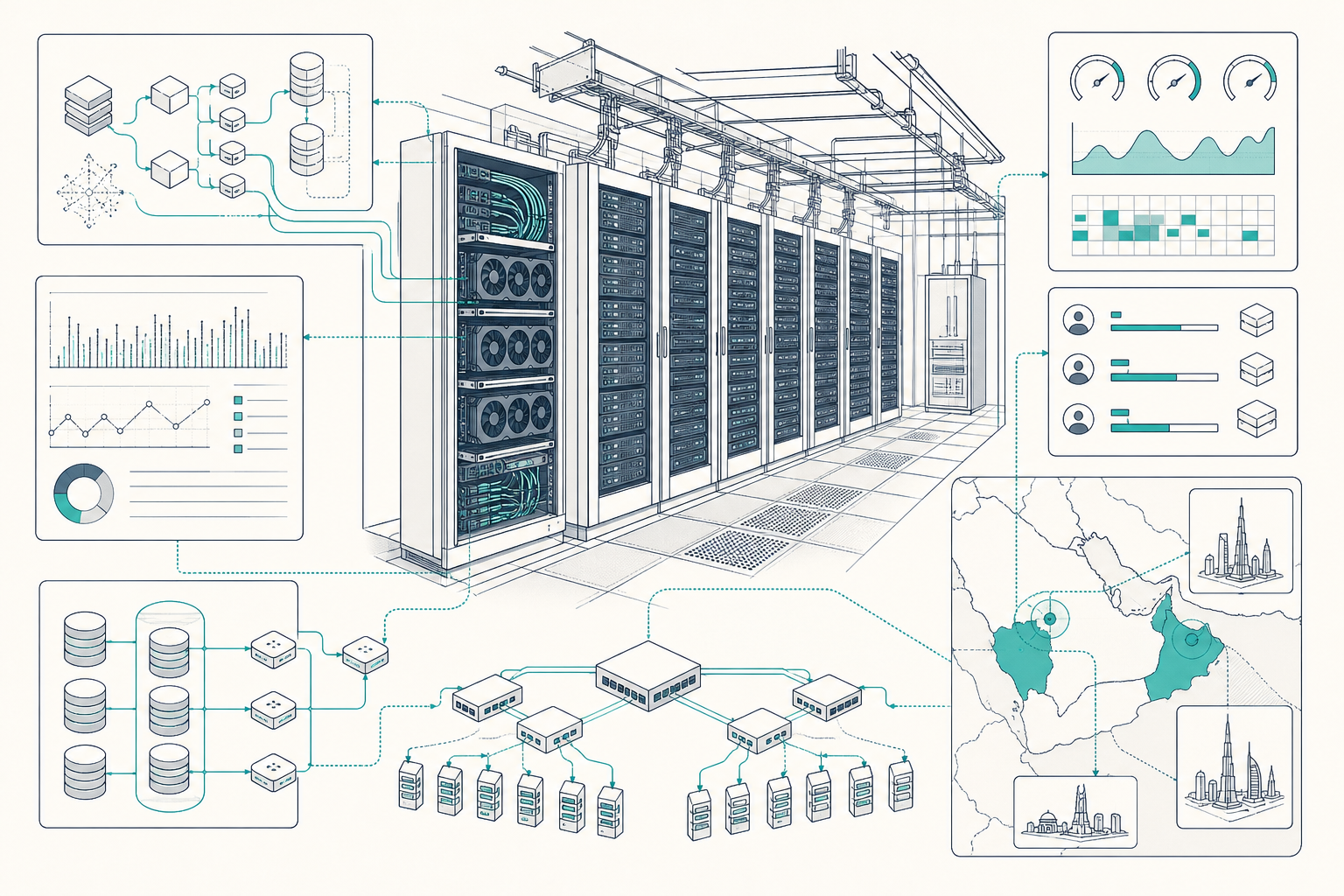
Journify funding exposes the data pipeline GPU load
Journify's $12M round is a MENA signal that data-quality infrastructure, not only model serving, will shape local GPU demand.
13 min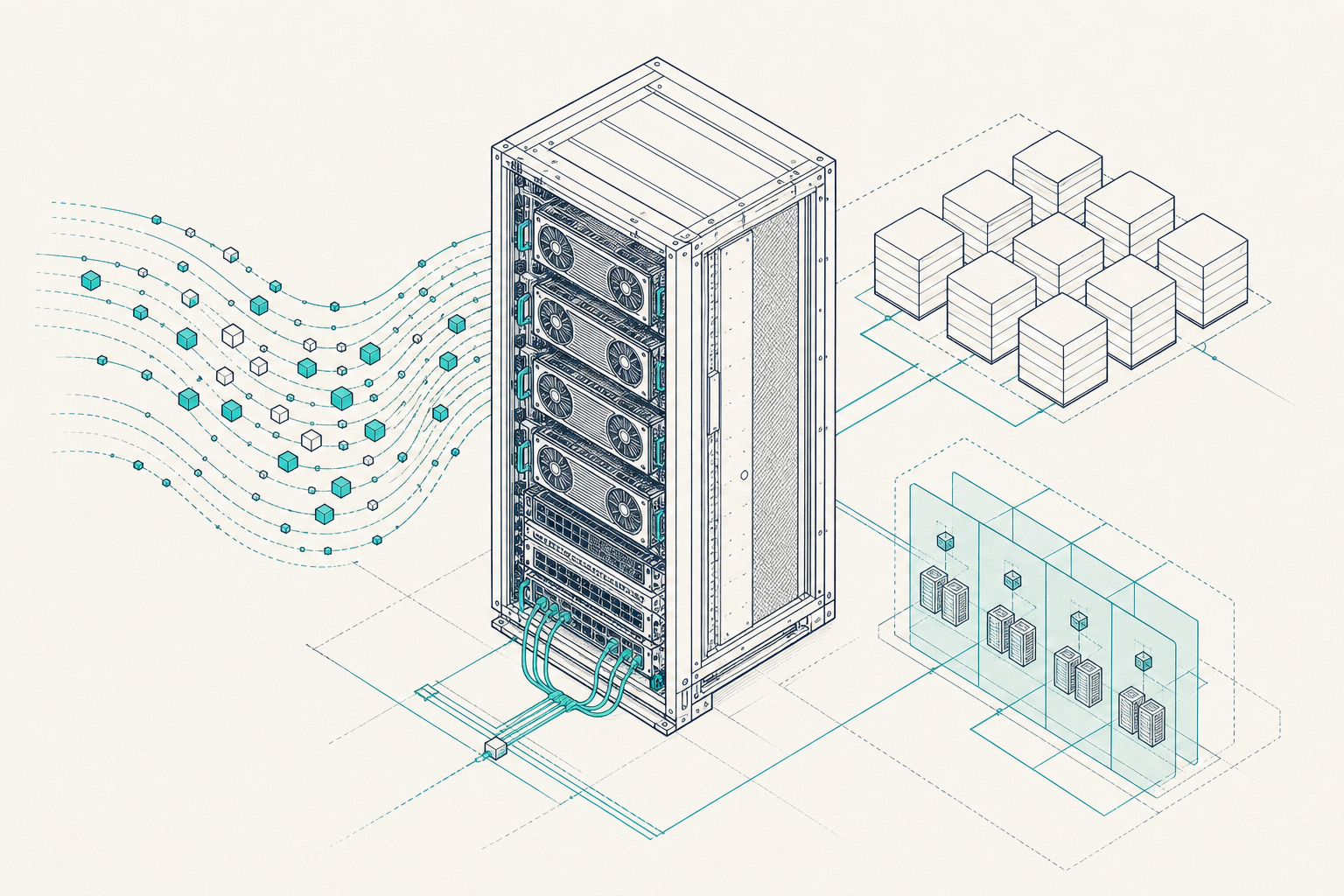
Beam Makes Open Reasoning an Operator Problem
Reflection AI's Beam puts open-weight reasoning on the local cluster agenda. The hard part is serving, metering, quota, and keeping inference online.
12 min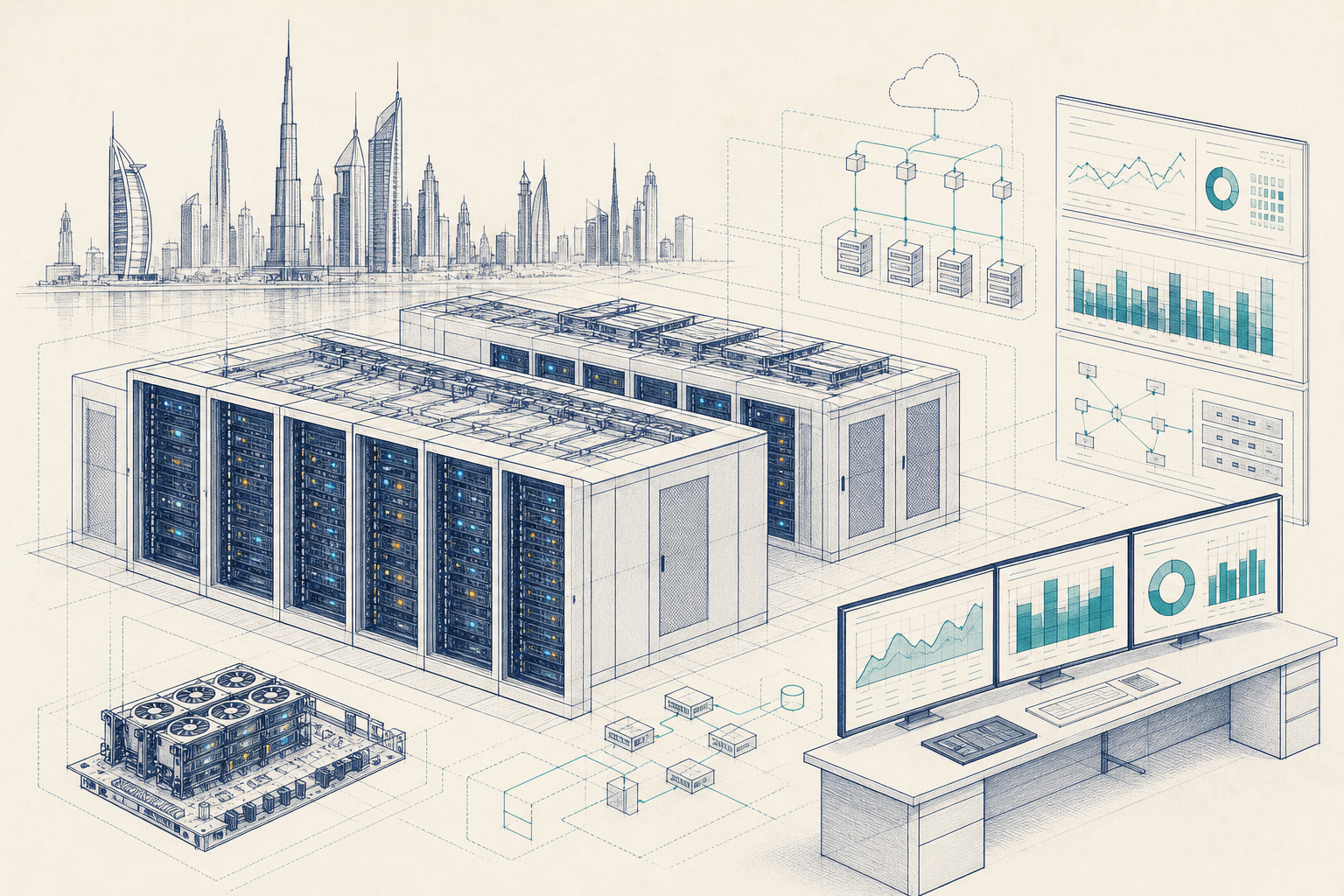
Anthropic IPO filing shifts the GPU estate question
Anthropic's IPO filing turns compute commitments into an operator signal: smaller GCC GPU estates should favor governed sovereign inference over hyperscale training economics.
12 min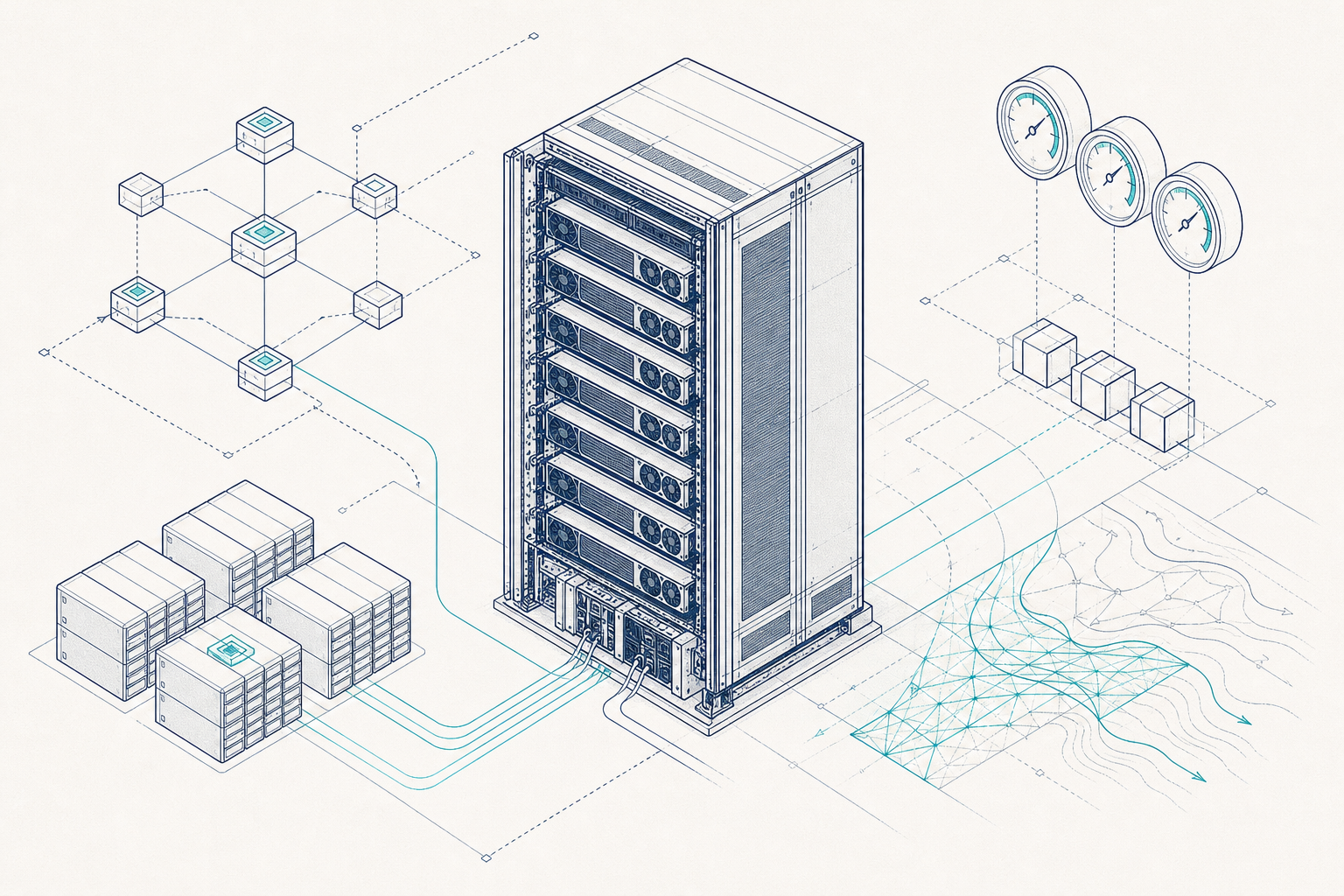
Mistral Large 4 Tests Quarter Rack Inference
Mistral Large 4 puts open MoE inference into the quarter-rack sizing debate: active weights are manageable, resident weights and tenancy are not.
11 min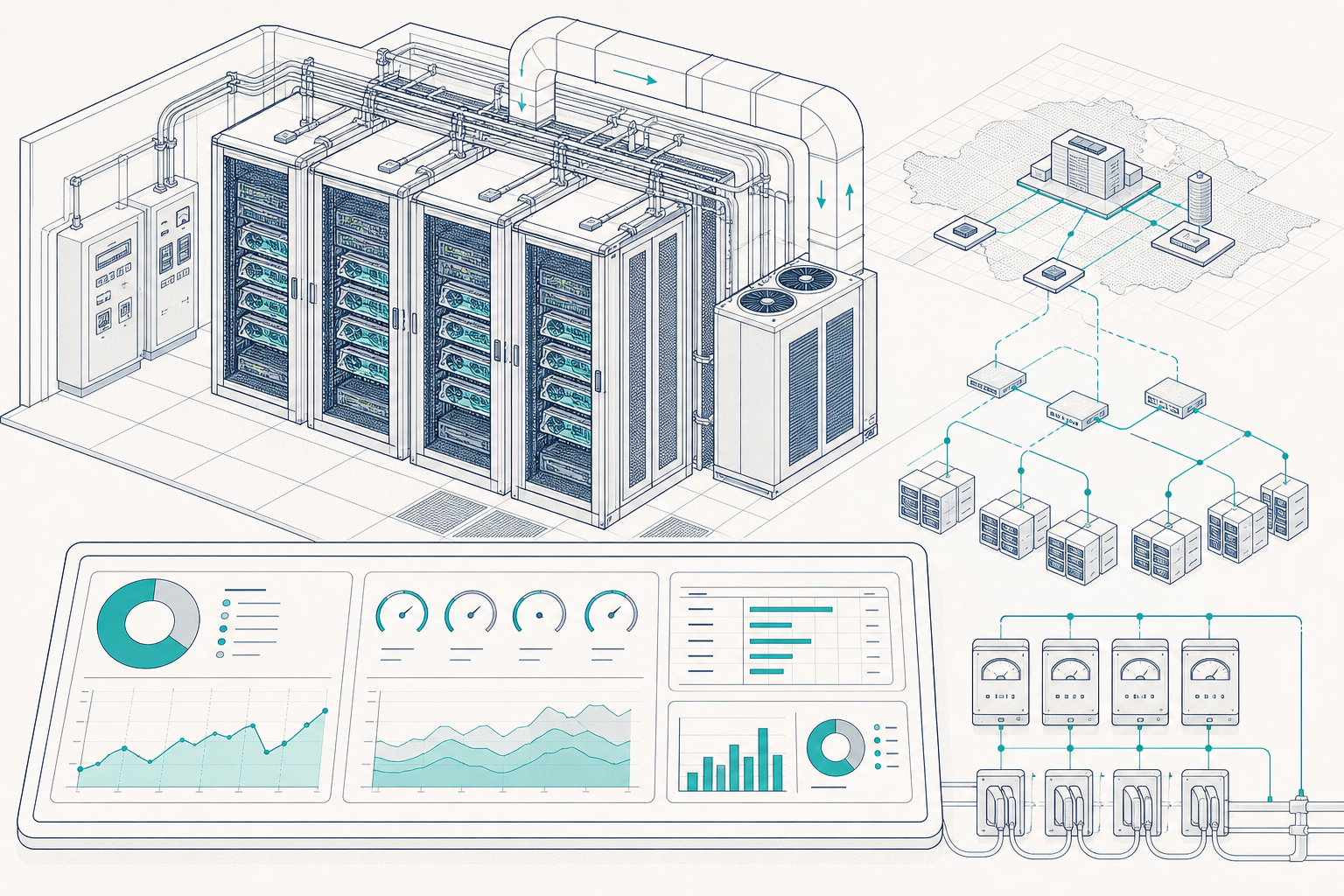
Lambda funding push puts GPU utilization on the table
Lambda reportedly wants $4 billion before an IPO. For smaller GPU operators, the lesson is capacity discipline, not scale for its own sake.
14 min
Town makes AI assistants a tenancy workload
Town raised $108 million at a unicorn valuation. For operators, the issue is not chat, it is secure, metered, regional inference for persistent assistants.
12 min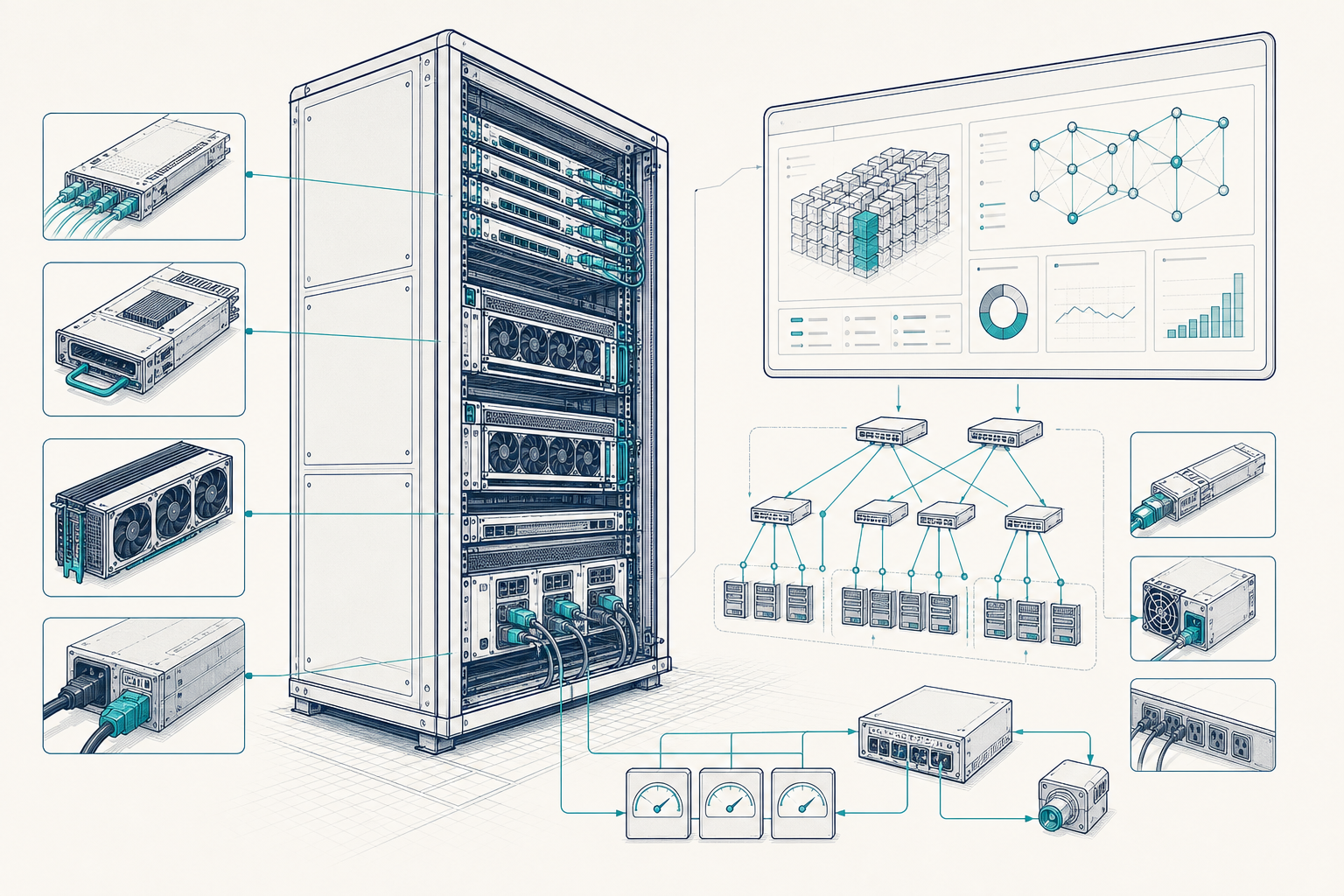
Lumai optical inference puts heterogeneity on the backlog
Lumai's Disrupt 2026 appearance makes optical inference an operator question, where does a new accelerator fit before it can reduce cost?
12 min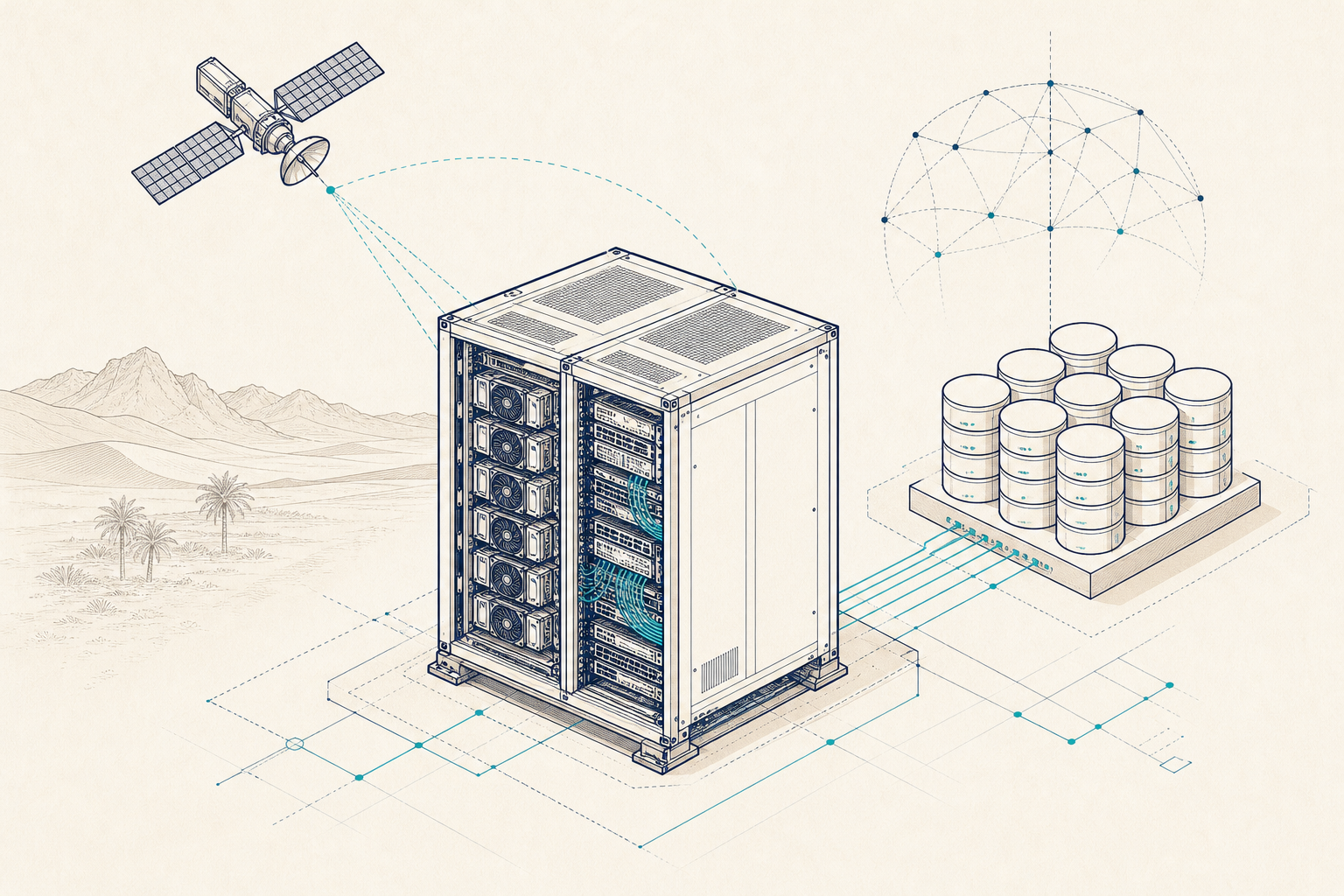
Satlyt, CedarDB, and the non GPU bottleneck
TechCrunch Battlefield 2026 shows why GPU operators must schedule data, storage, caches, and tenants, not just accelerators.
12 min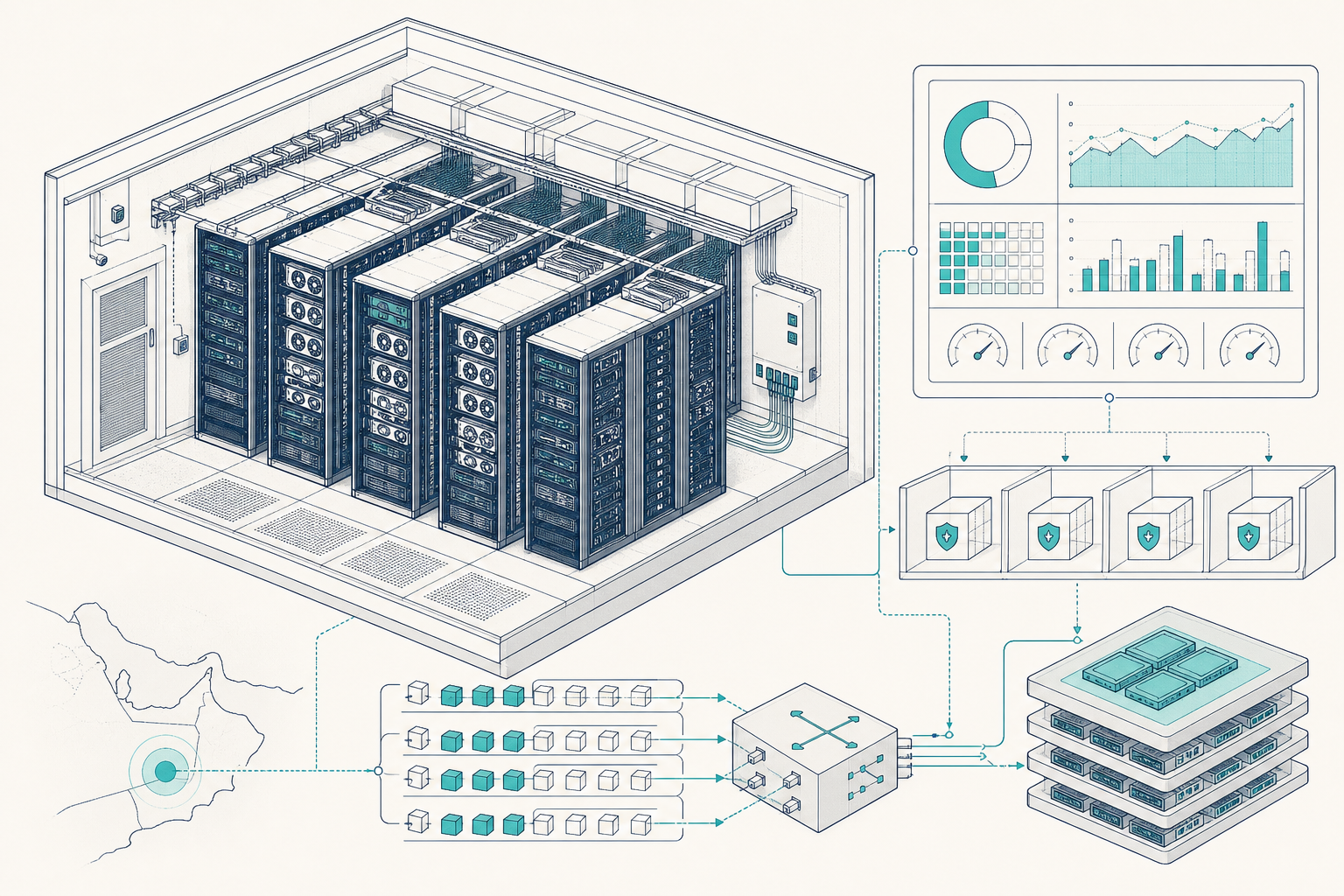
Cold starts and agent jobs reshape GPU estates
Nebius and Daytona point to the same operator problem: fast model startup and thousands of fragmented stateful jobs on finite GPUs.
13 min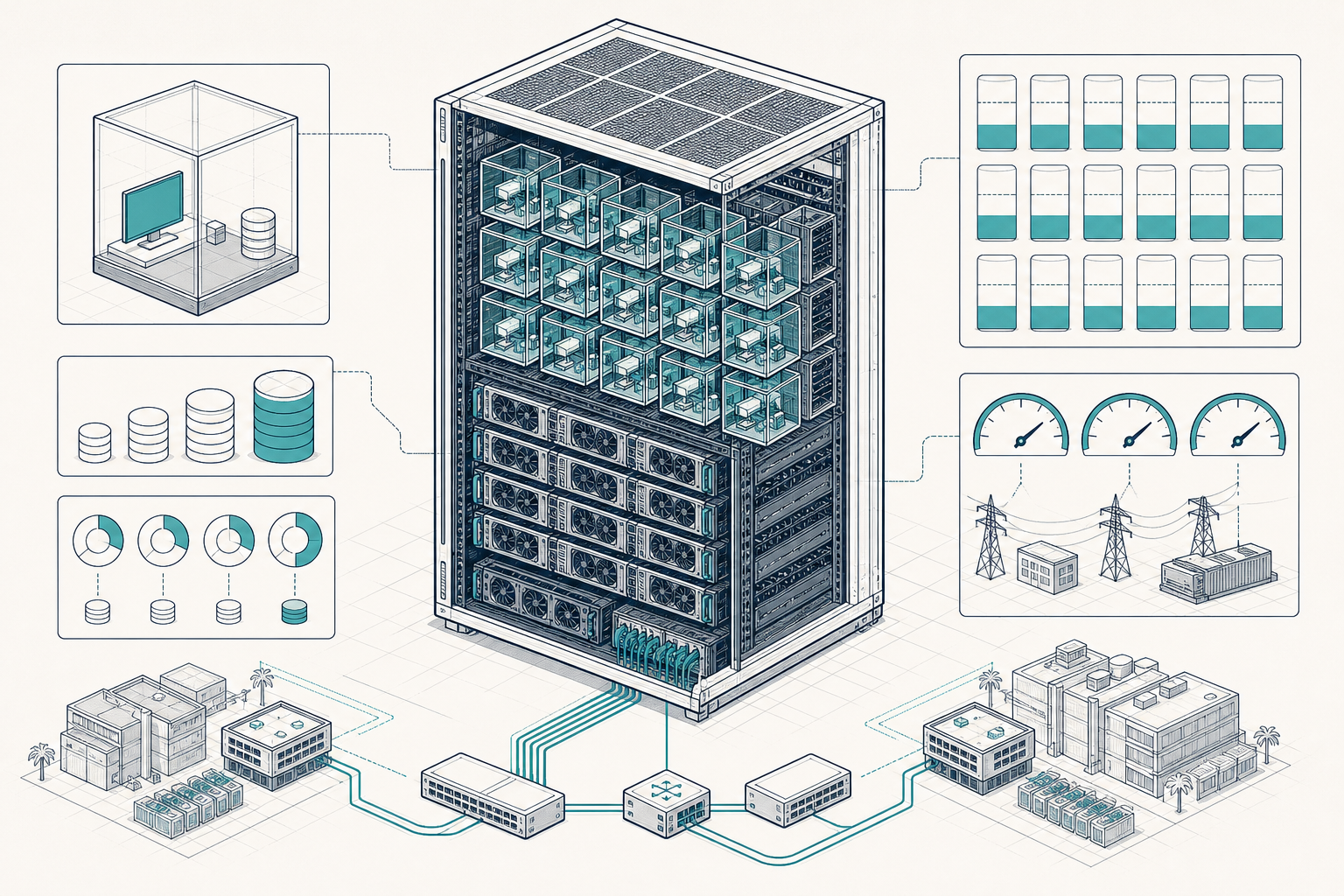
Daytona funding points to agent cloud scheduling
Daytona raised $60 million at a $1 billion valuation. For smaller GPU estates, agent sandboxes turn utilization into a tenancy and scheduling problem.
11 min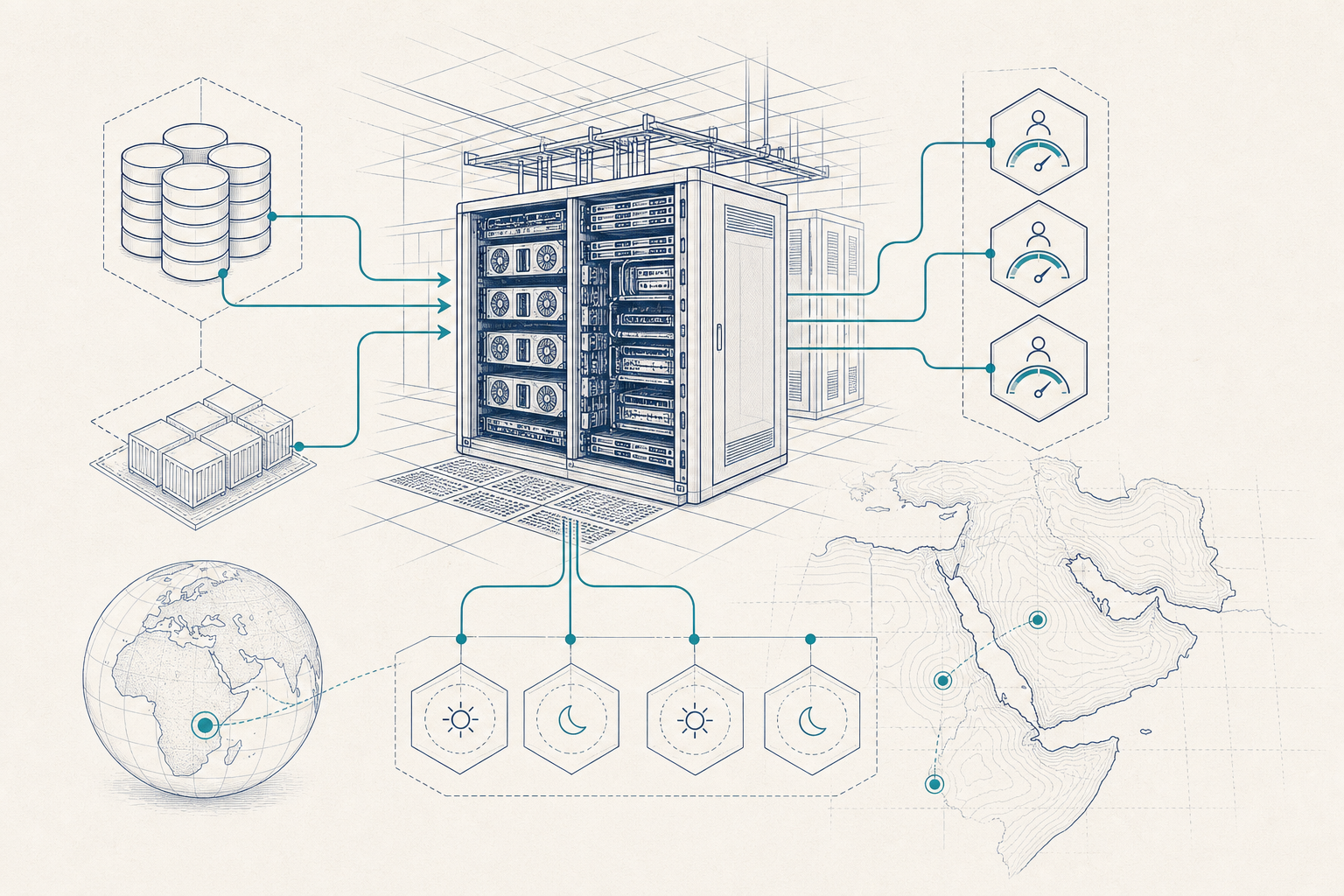
Nebius Inferize Deal Puts Cold Starts on the Bill
Nebius buying Inferize makes model load time an operator metric. For MENA GPU estates, cold starts affect quotas, storage, power, and chargeback.
13 min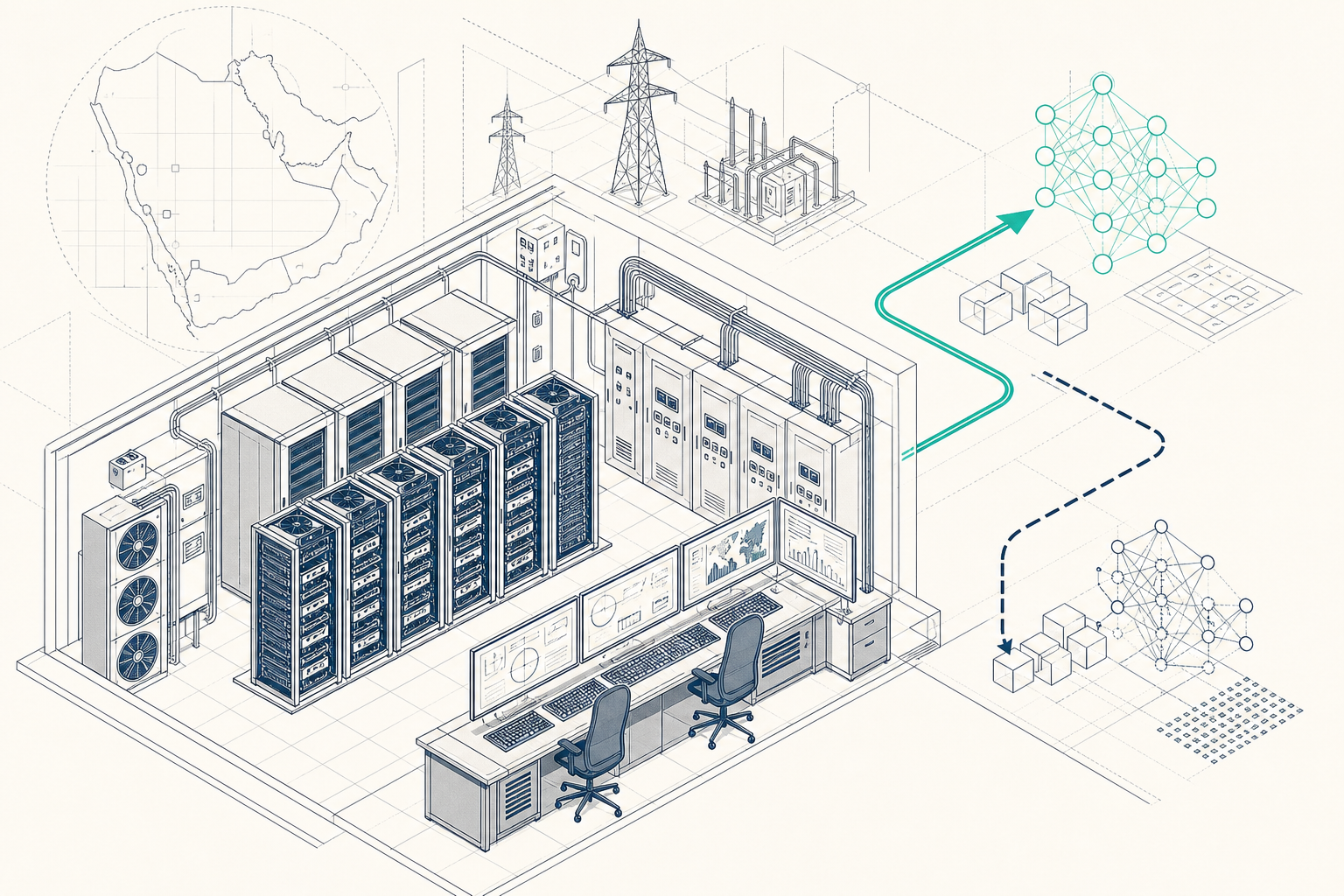
Open models make GPU estates an operations problem
TechCrunch Disrupt 2026 put open versus closed AI and hardware design on the agenda. For GCC operators, the choice lands in drivers, quotas, metering, and serving.
12 min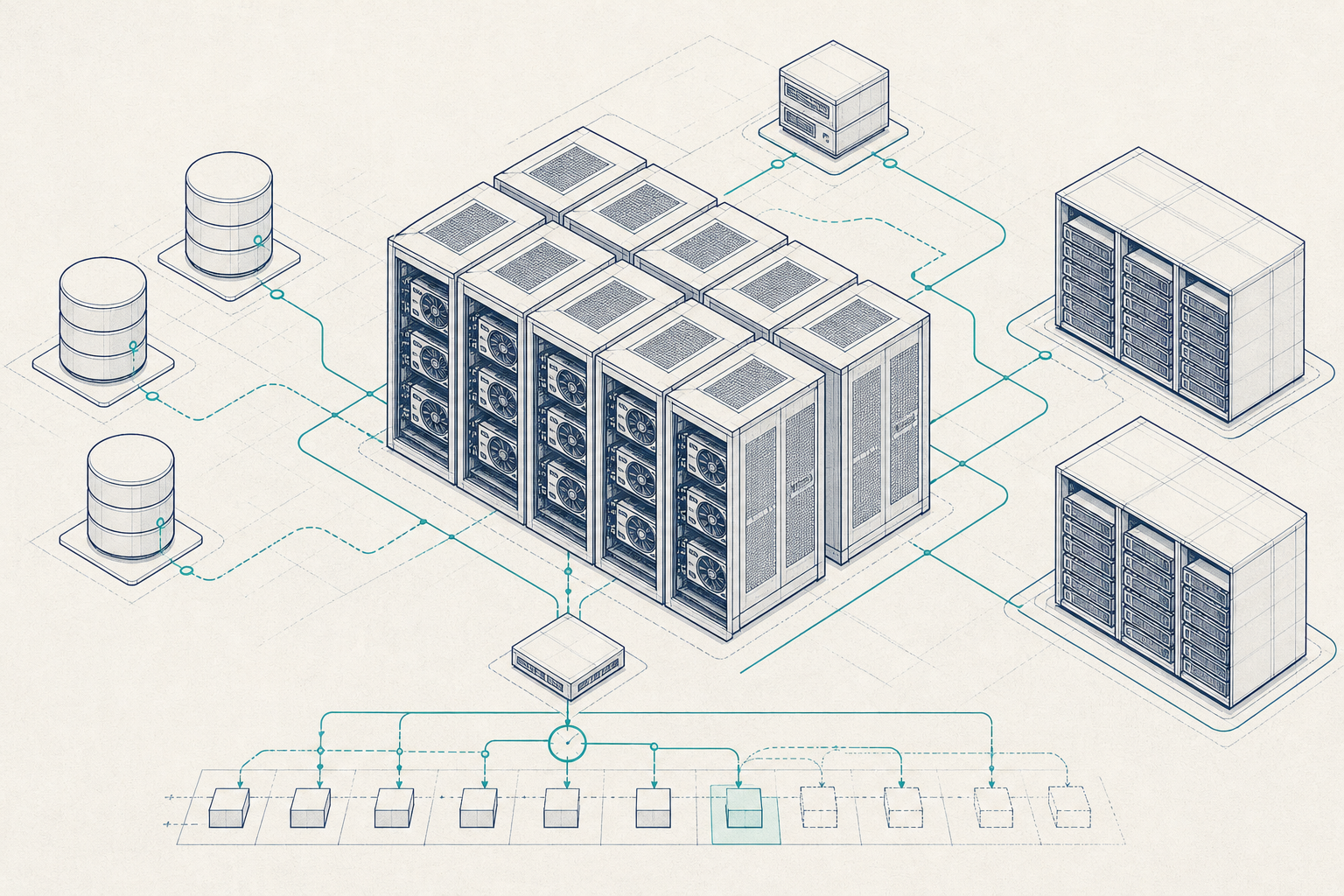
CedarDB and the agent database bottleneck
CedarDB's Battlefield pitch points to a practical issue for GPU estates: agent workloads can strand accelerators behind databases, storage, and state.
14 min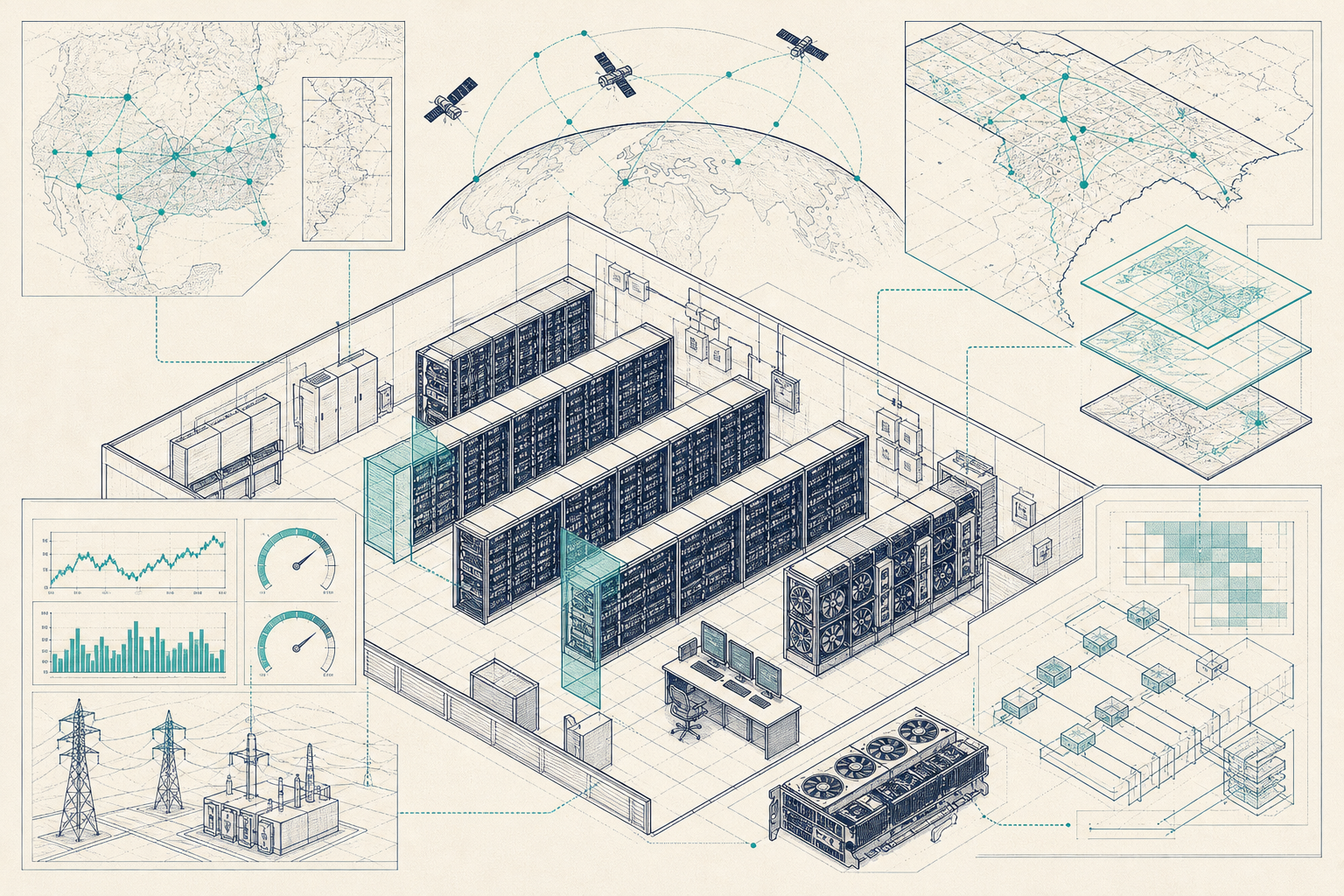
Satlyt puts disconnected GPU scheduling in focus
Satlyt’s orbital compute proposal is a useful prompt for operators running small GPU estates across uneven sites, links, power, and cooling.
14 min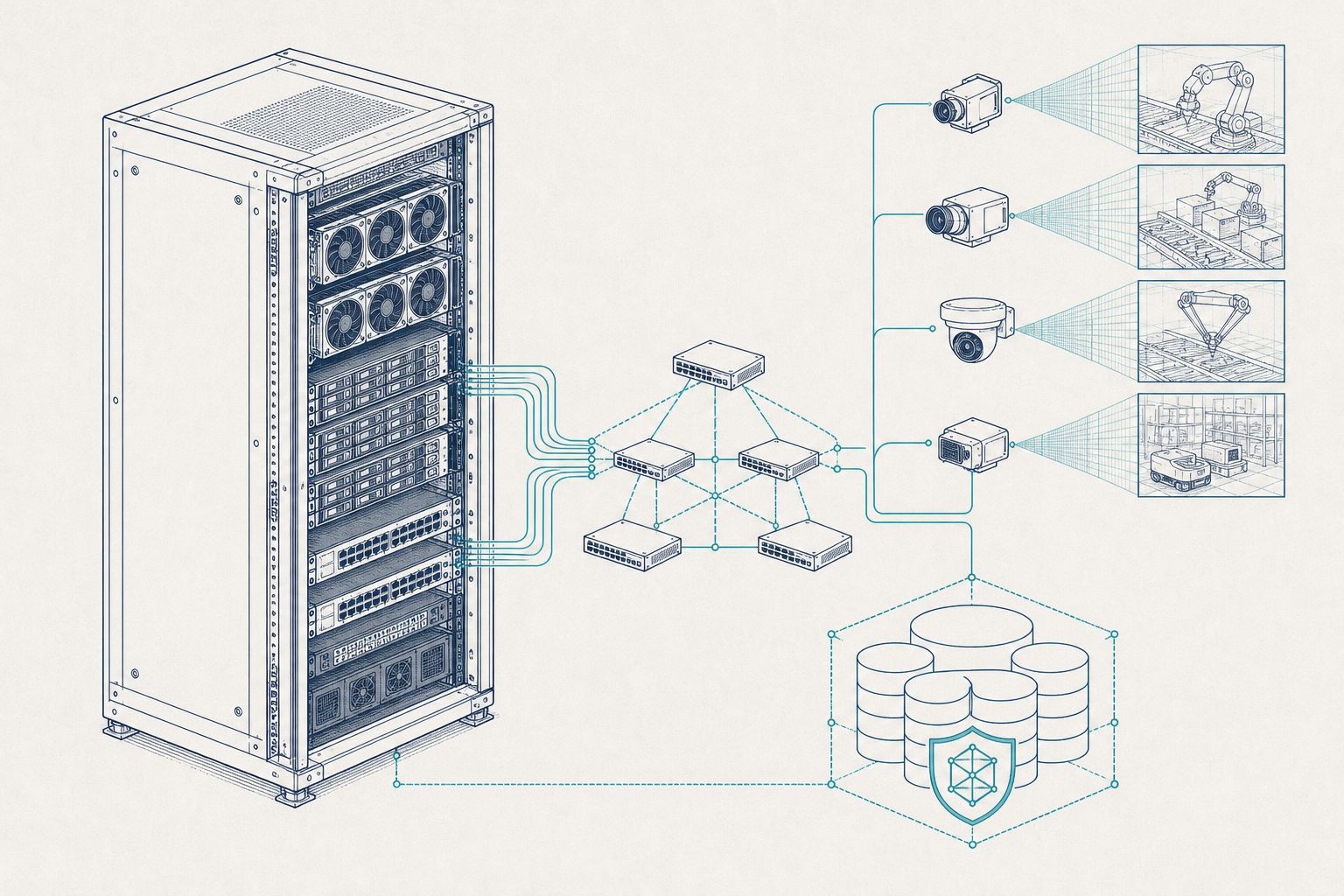
Mecka AI funding puts robot data on the GPU estate agenda
Mecka AI's $60M raise highlights the infrastructure burden behind robot data, from video ingest to sovereign storage and GPU chargeback.
12 min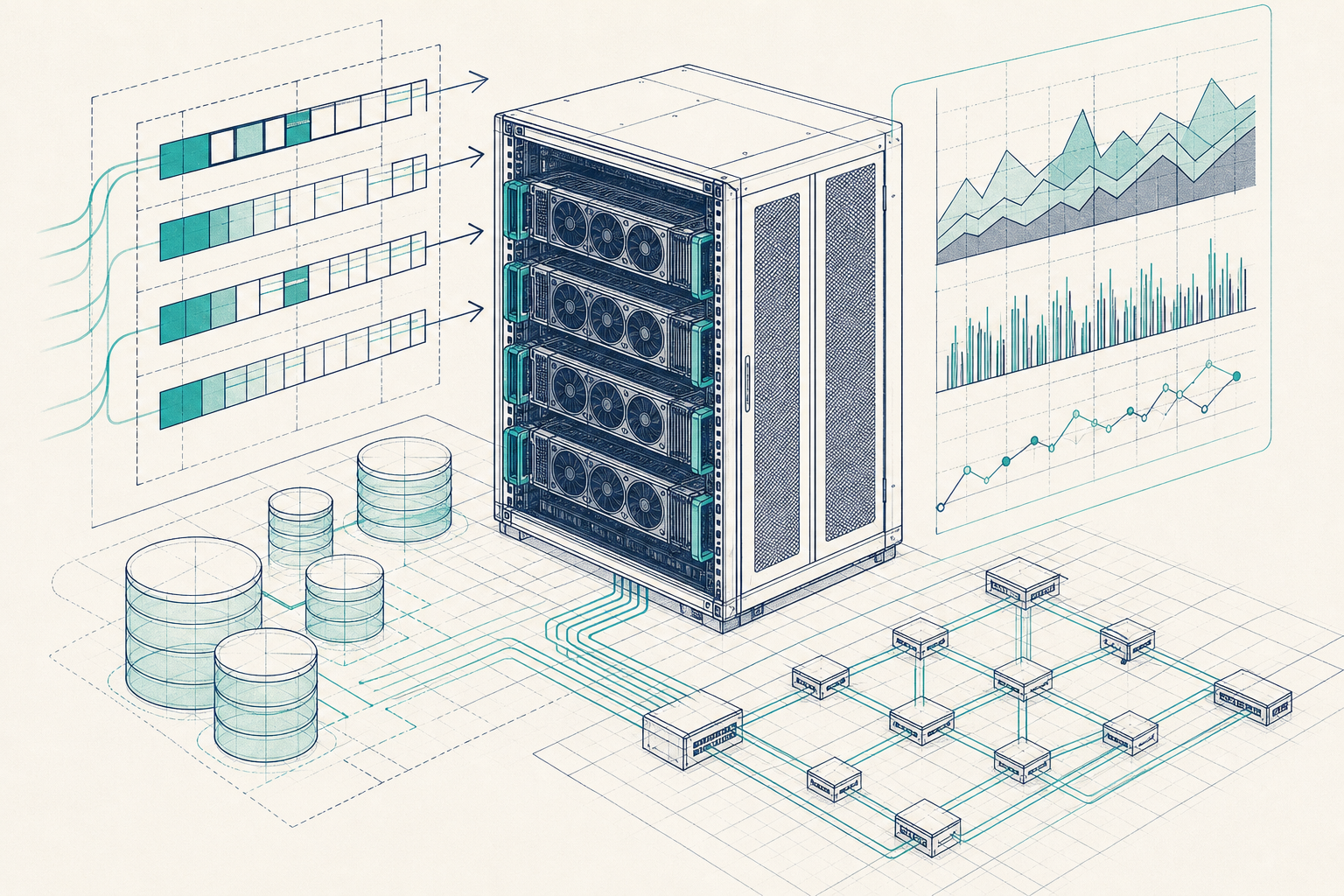
Manus funding puts agent capacity planning on the rack
Manus raised more than $500M after leaving Meta. For small GPU estates, agent workloads turn into a scheduling, state, metering, and quota problem.
12 min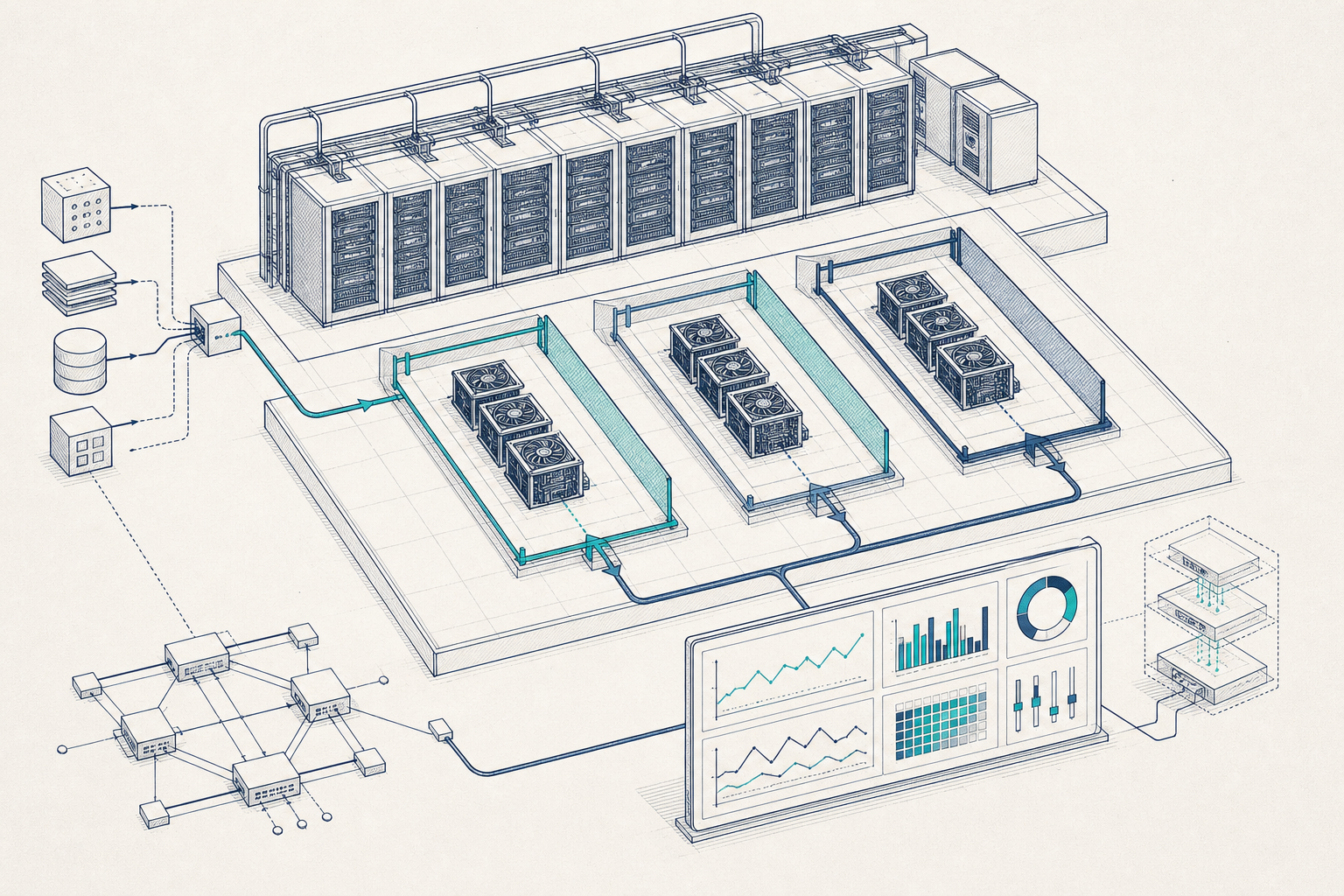
Arena funding makes evaluation a GPU capacity problem
Arena raised $200M at a $3.1B valuation. For GPU operators, model evaluation now needs governed capacity, not leftover inference slots.
12 min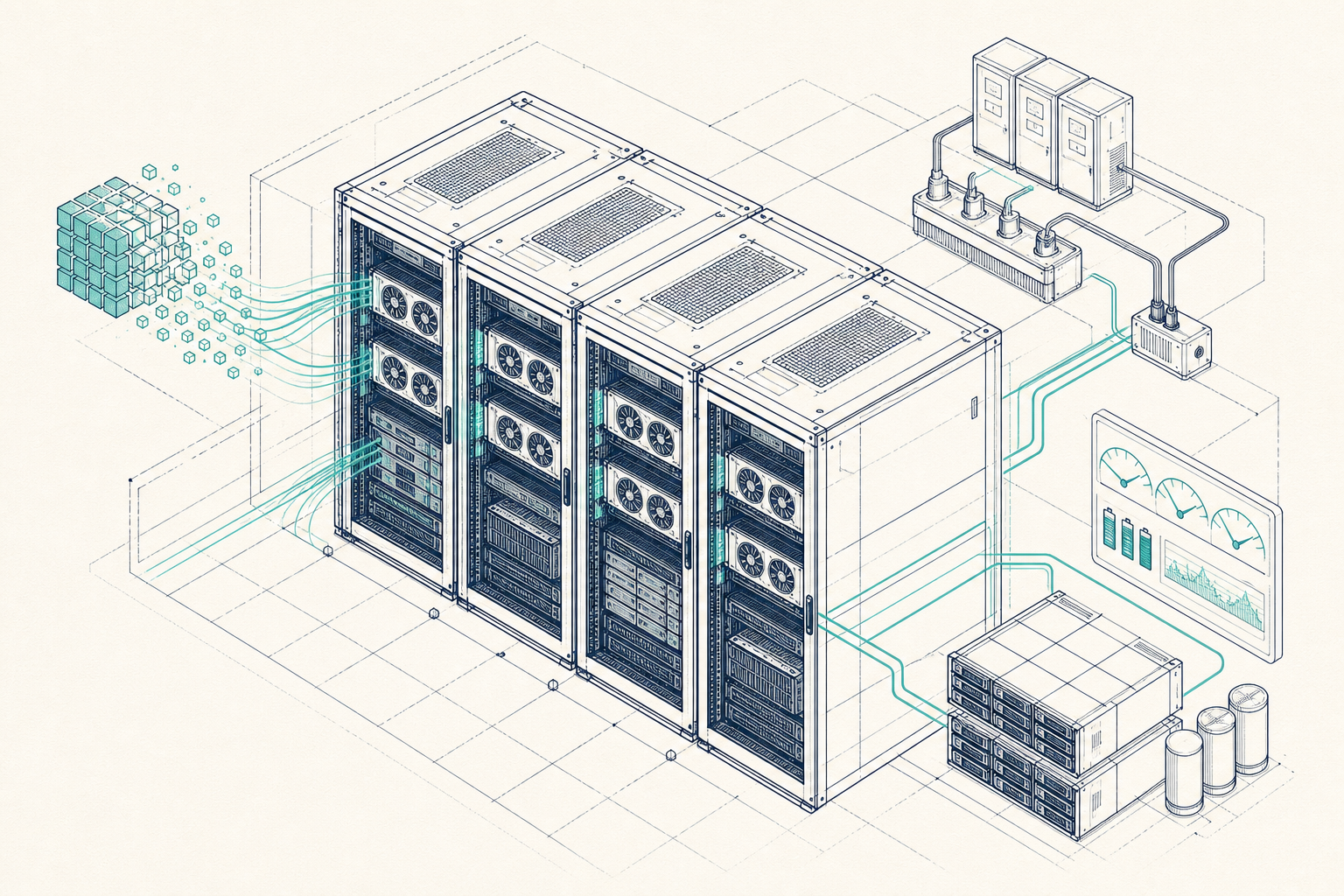
Meta Muse Spark tests local inference economics
Meta’s 816B open-weight model shifts the question from whether it can run locally to whether small GPU estates can serve it economically.
12 min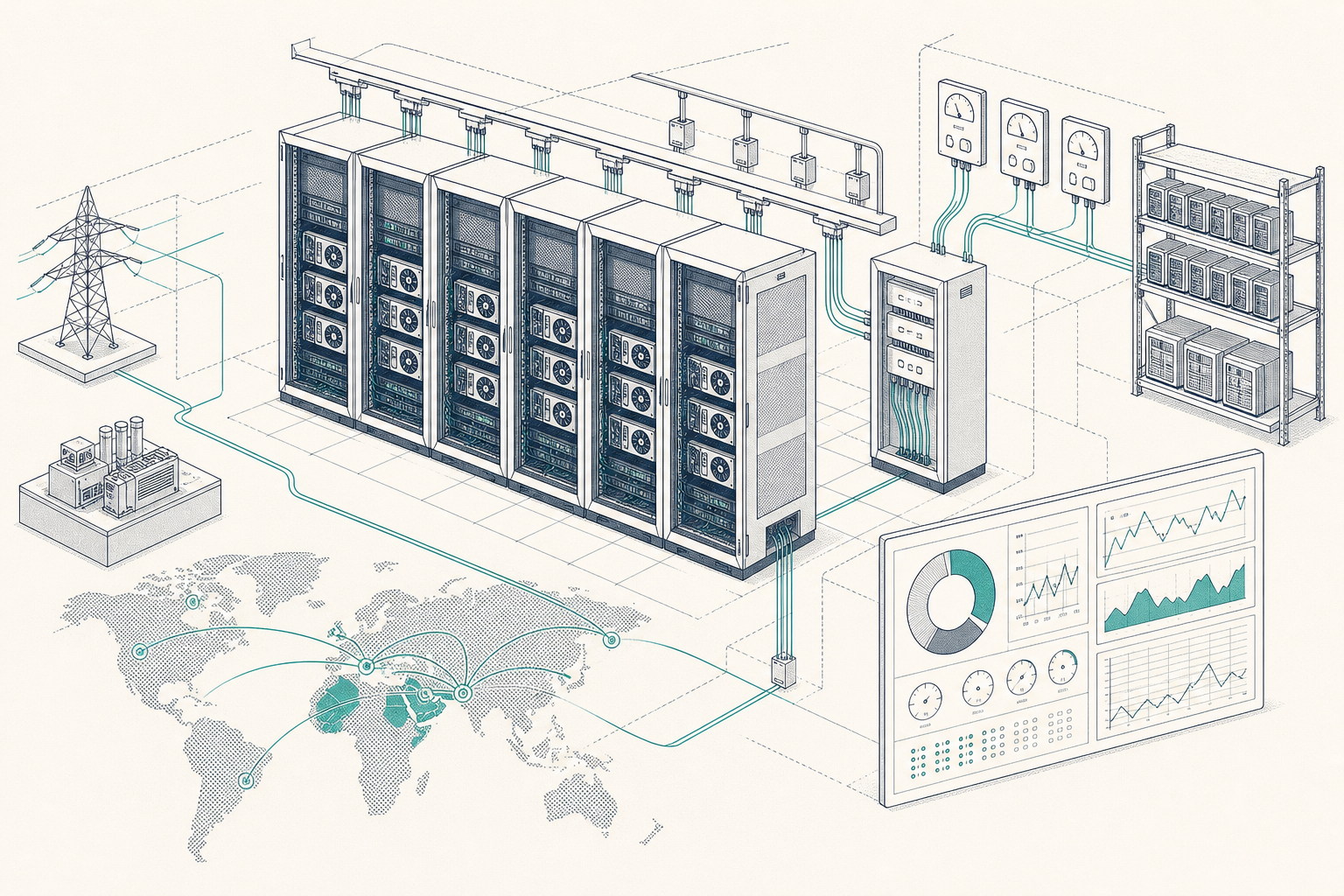
Blackstone Neysa deal highlights GPU estate economics
A $600 million AI infrastructure investment frames the practical bottleneck for smaller GPU operators: utilization, chargeback, power, storage, and burst capacity.
14 min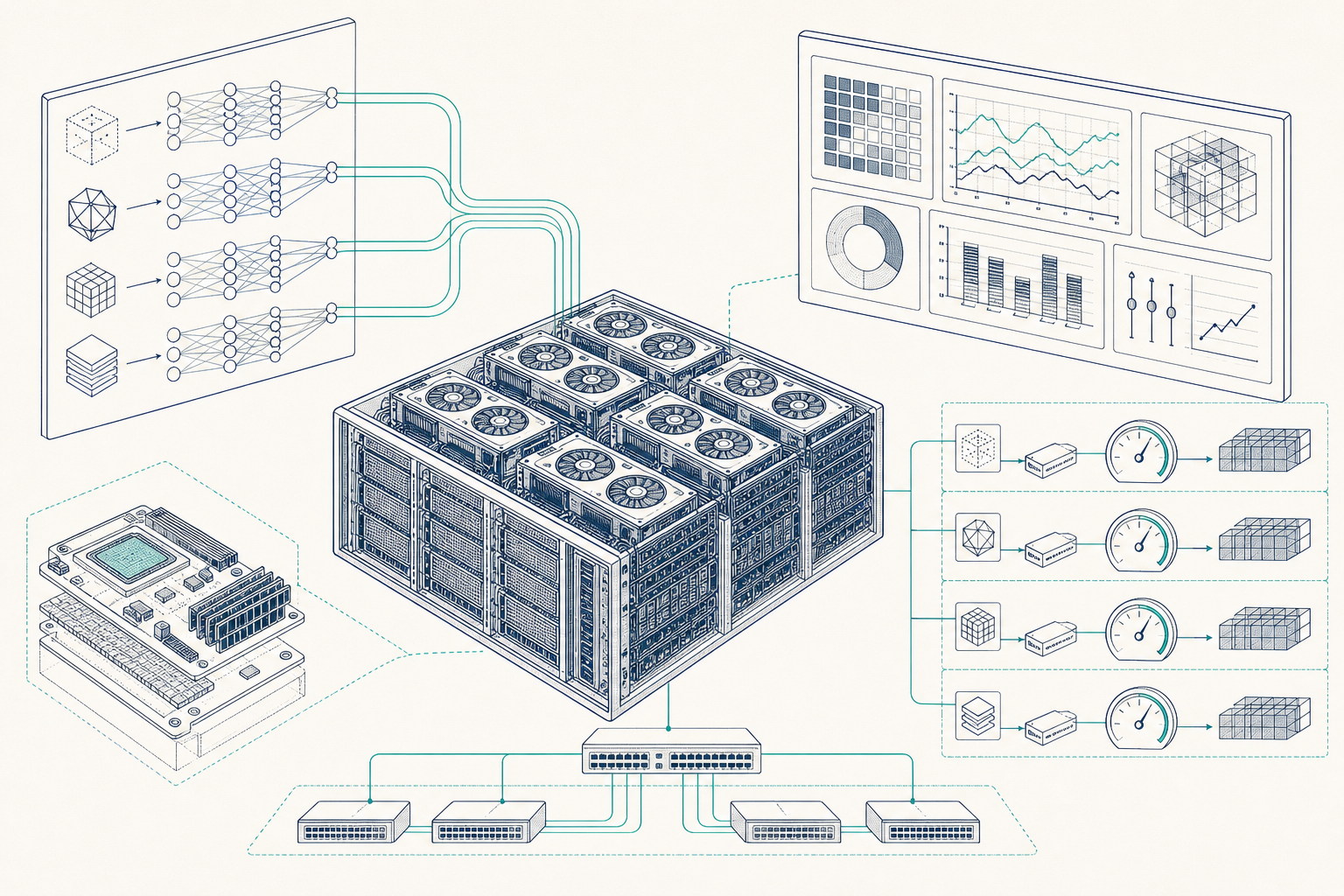
Arena funding puts model routing on the GPU agenda
Arena raised $200 million at a $3.1 billion valuation. For GPU operators, the issue is now multi-model utilization, metering, and quota control.
12 min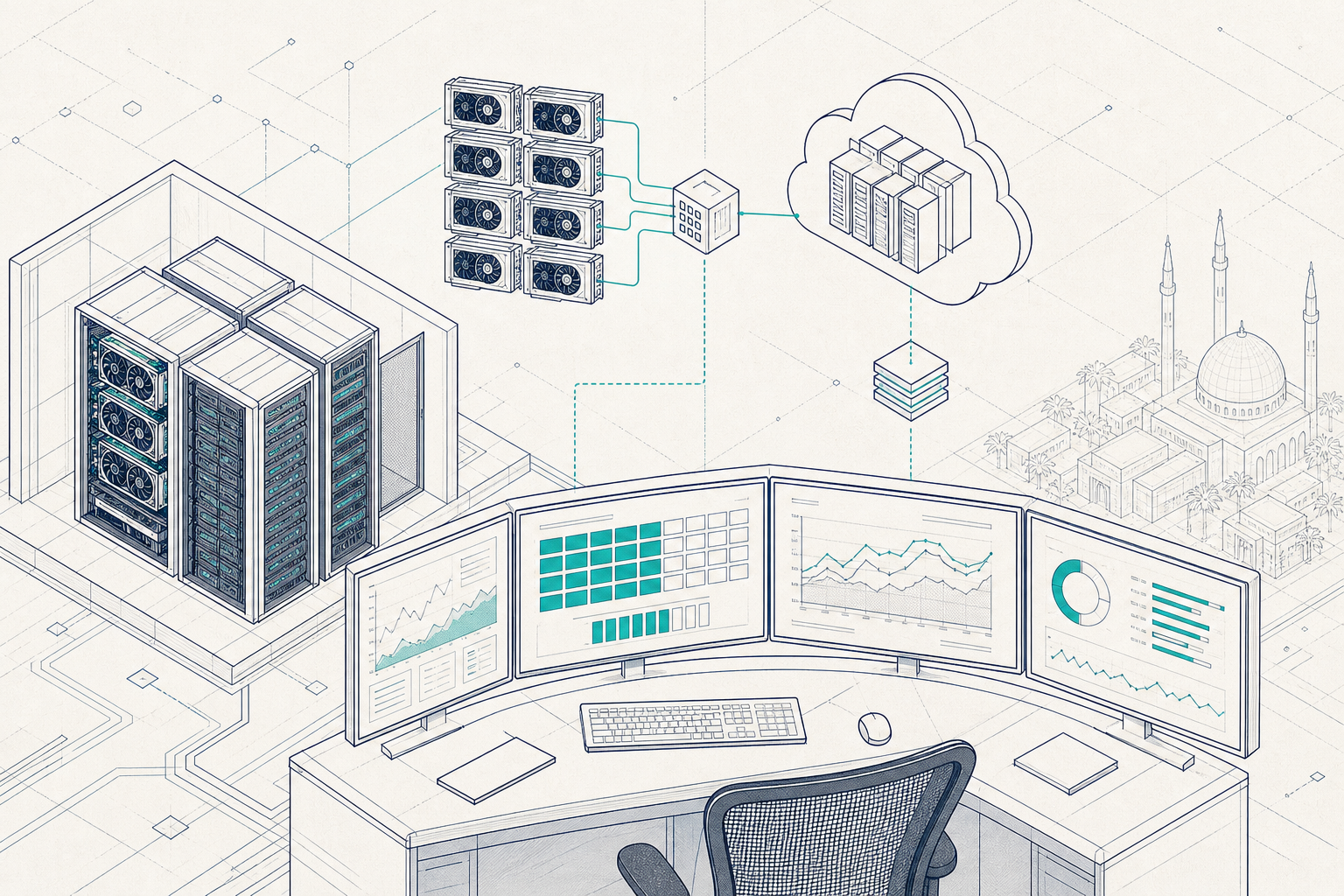
Hosted AI Credits Change GPU Scheduling Math
Anthropic startup credits are a temporary competitor to owned GPUs. Operators need routing, metering, quotas, and residency policy.
12 min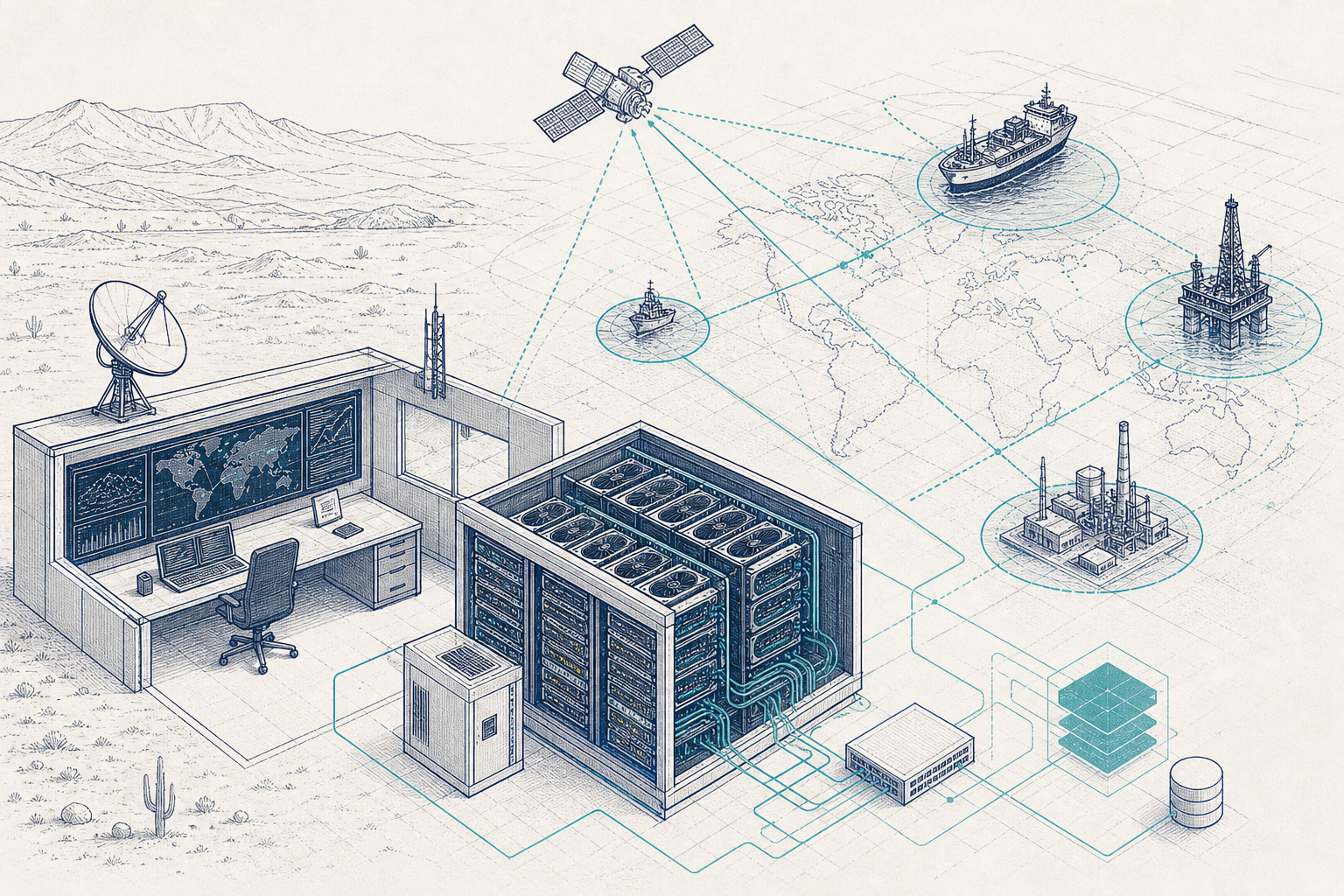
Satlyt funding highlights edge AI placement constraints
Satlyt raised $8 million to coordinate AI across satellites. The same placement problem matters for small GPU estates at remote GCC and MENA edges.
12 min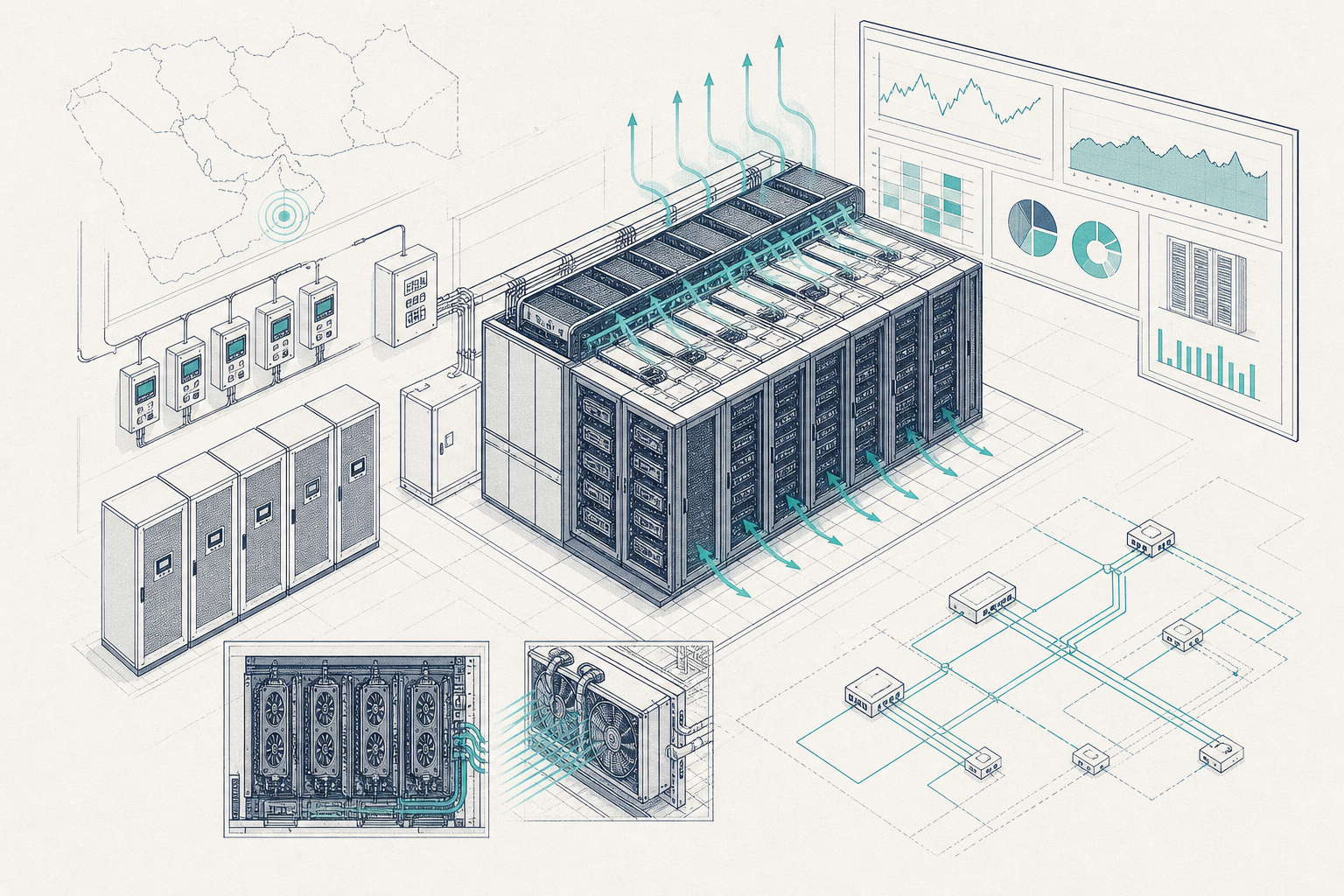
AI Clusters Are Running Into Power Limits
TechCrunch Disrupt framed AI growth as a power, cooling, and grid problem. Small GPU estates need rack-level controls before procurement becomes the easy part.
13 min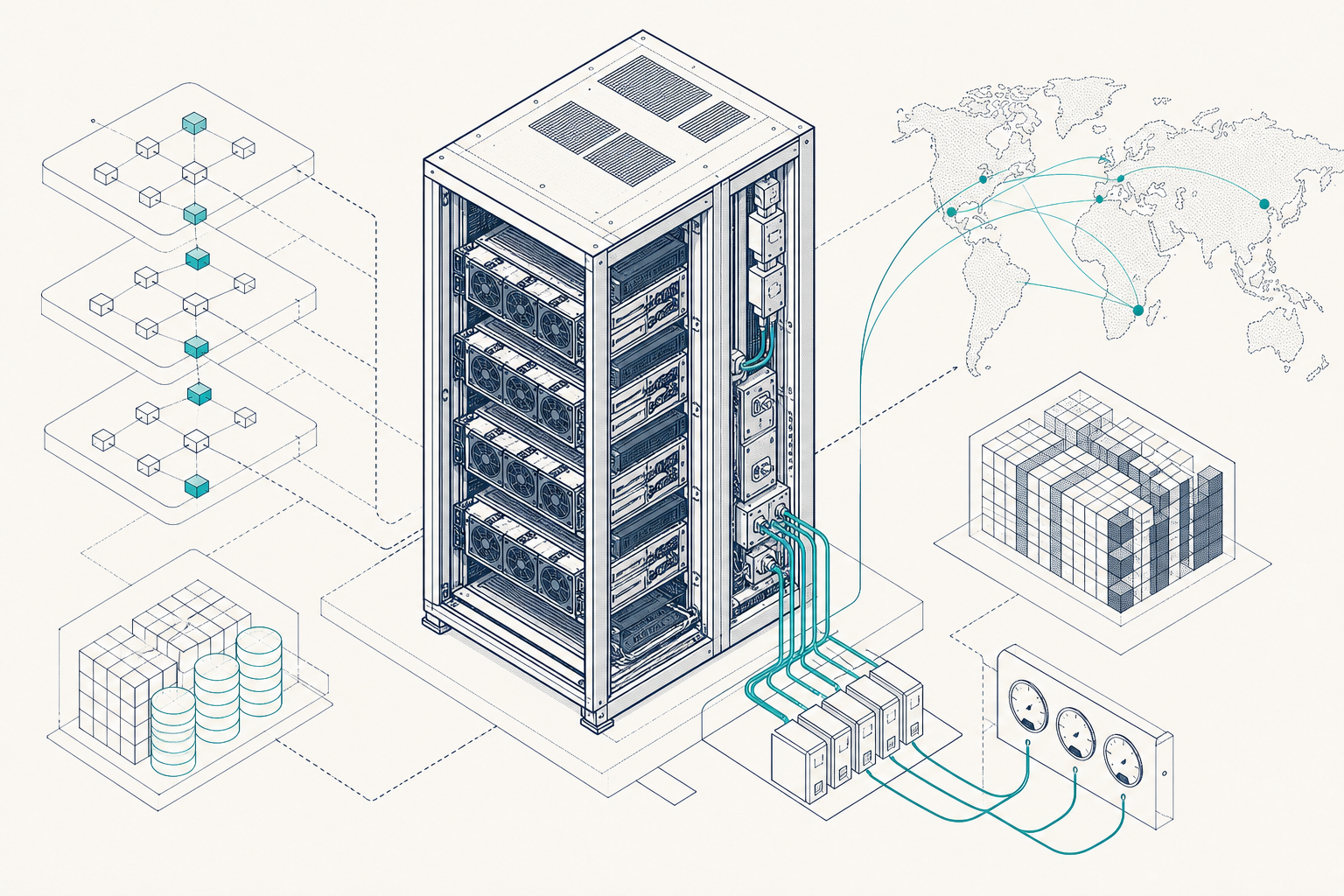
Beam makes open weights an operator problem
Reflection AI's Beam release shifts the hard part from model access to private service operations, especially for small GPU estates.
11 min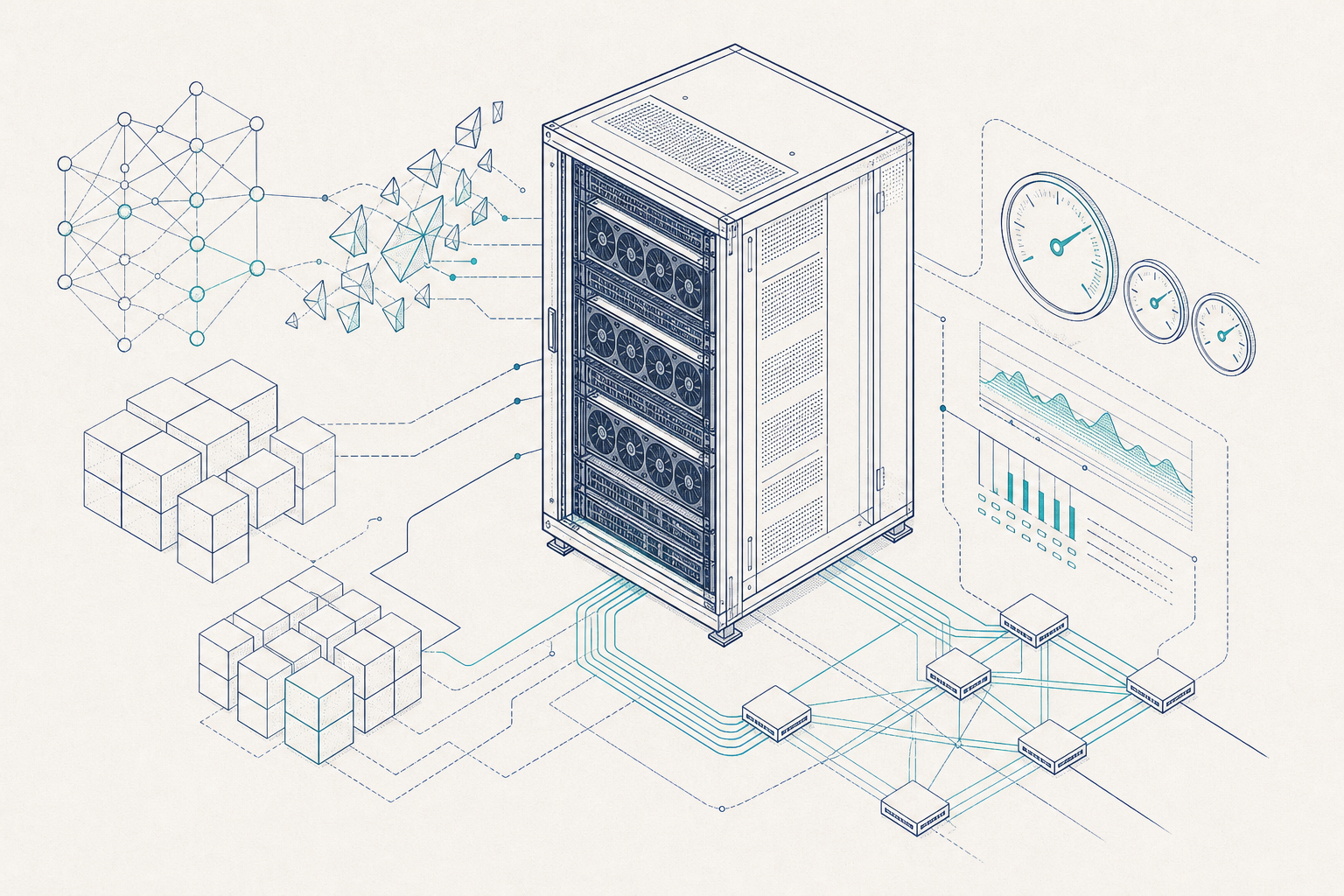
Mistral Large 4 turns inference into a cluster test
Mistral Large 4 moves 1T parameter inference from model news to operator math: sharding, KV cache, quotas, storage, power, and chargeback.
13 min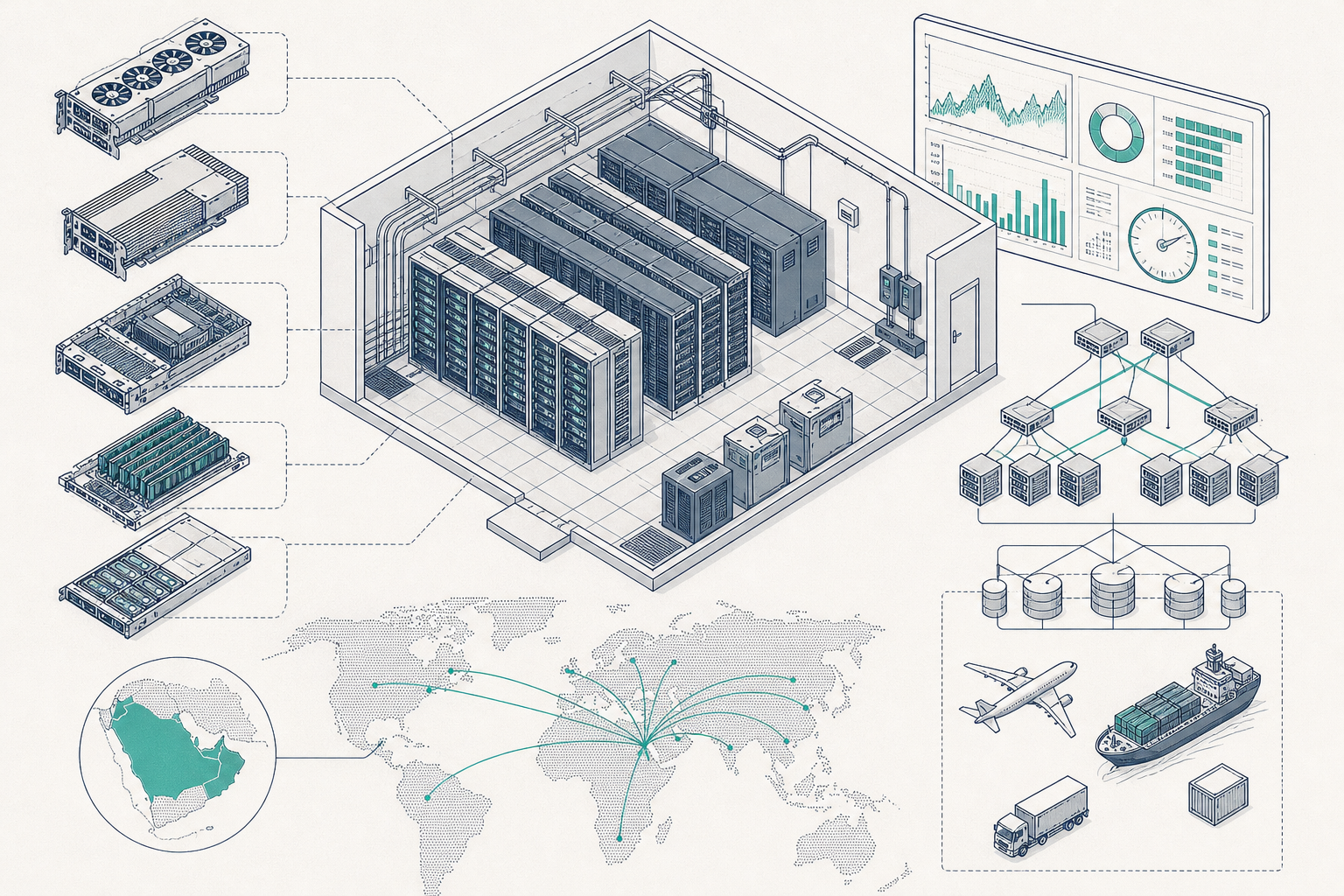
AI chip design shifts the cluster planning problem
AI-designed accelerators may speed hardware cycles. Operators need capacity plans based on bandwidth, precision, drivers, kernels, tenancy, and power, not GPU count.
11 min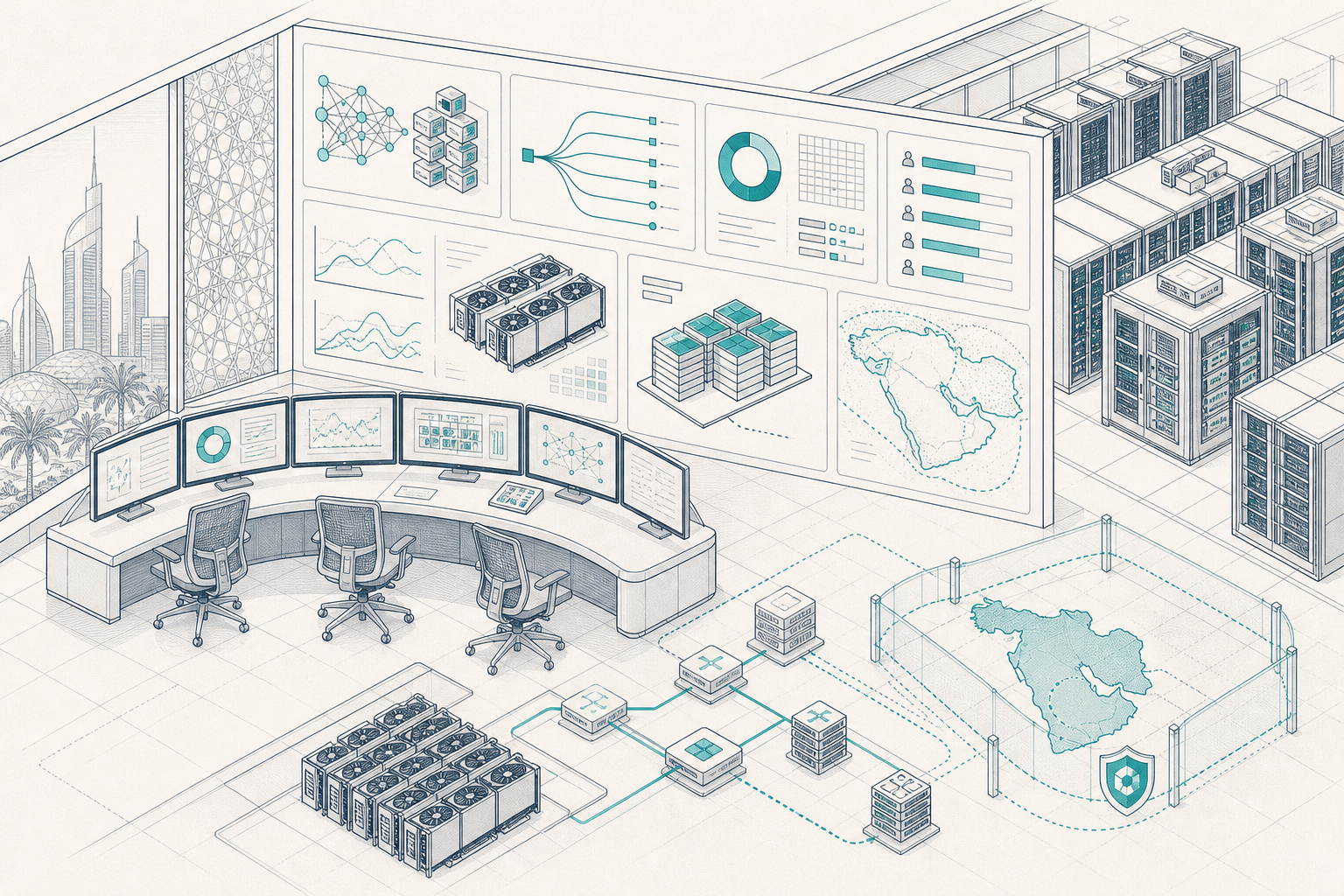
Open AI models turn into a GPU estate decision
Open versus closed AI is now a capacity, tenancy, sovereignty, and chargeback problem for operators running real GPU fleets.
12 min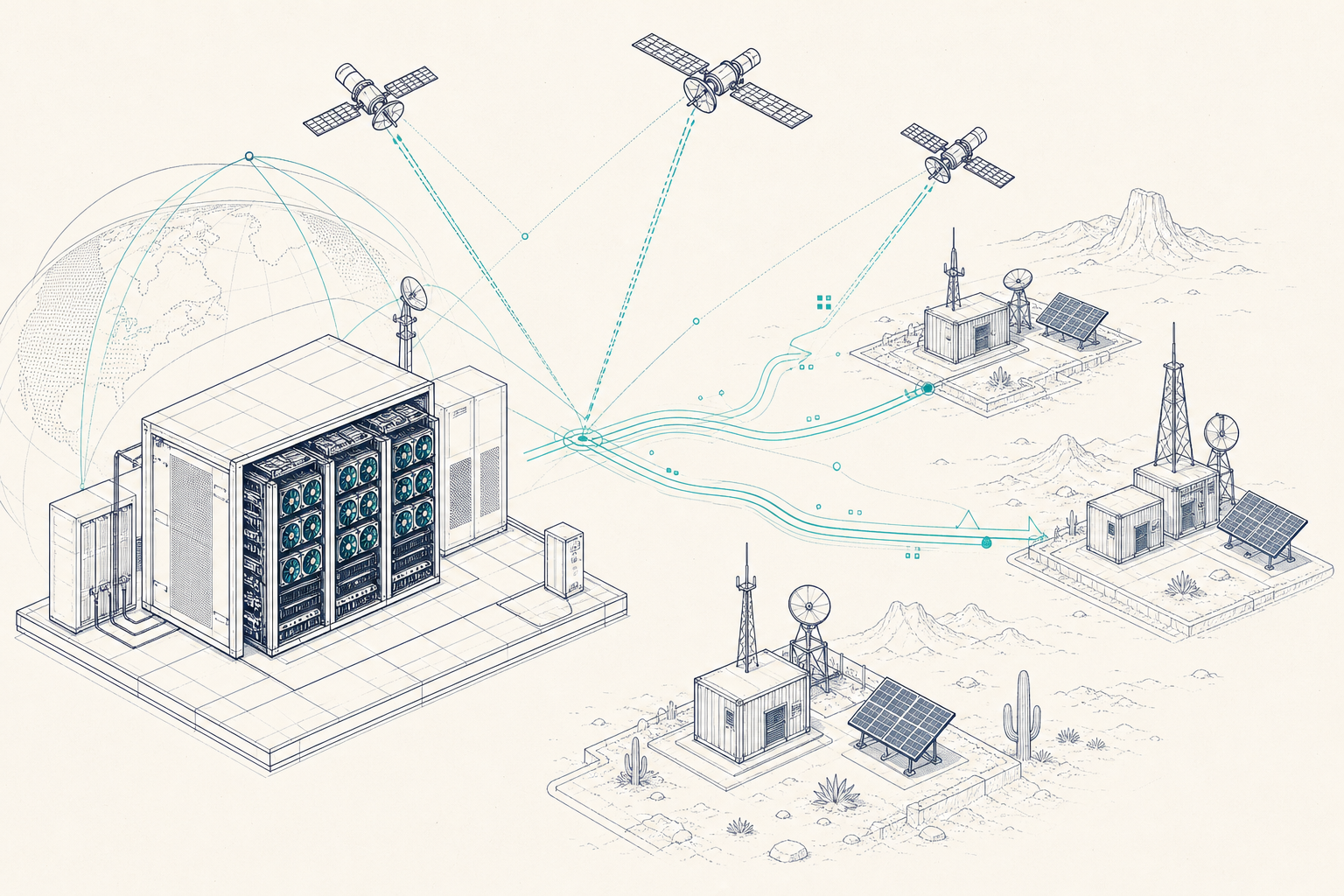
Satlyt Funding Moves AI Inference Beyond the Data Center
Satlyt's $8M raise is a reminder that edge AI bottlenecks are control plane, power, packaging, telemetry, and chargeback, not only accelerator supply.
14 min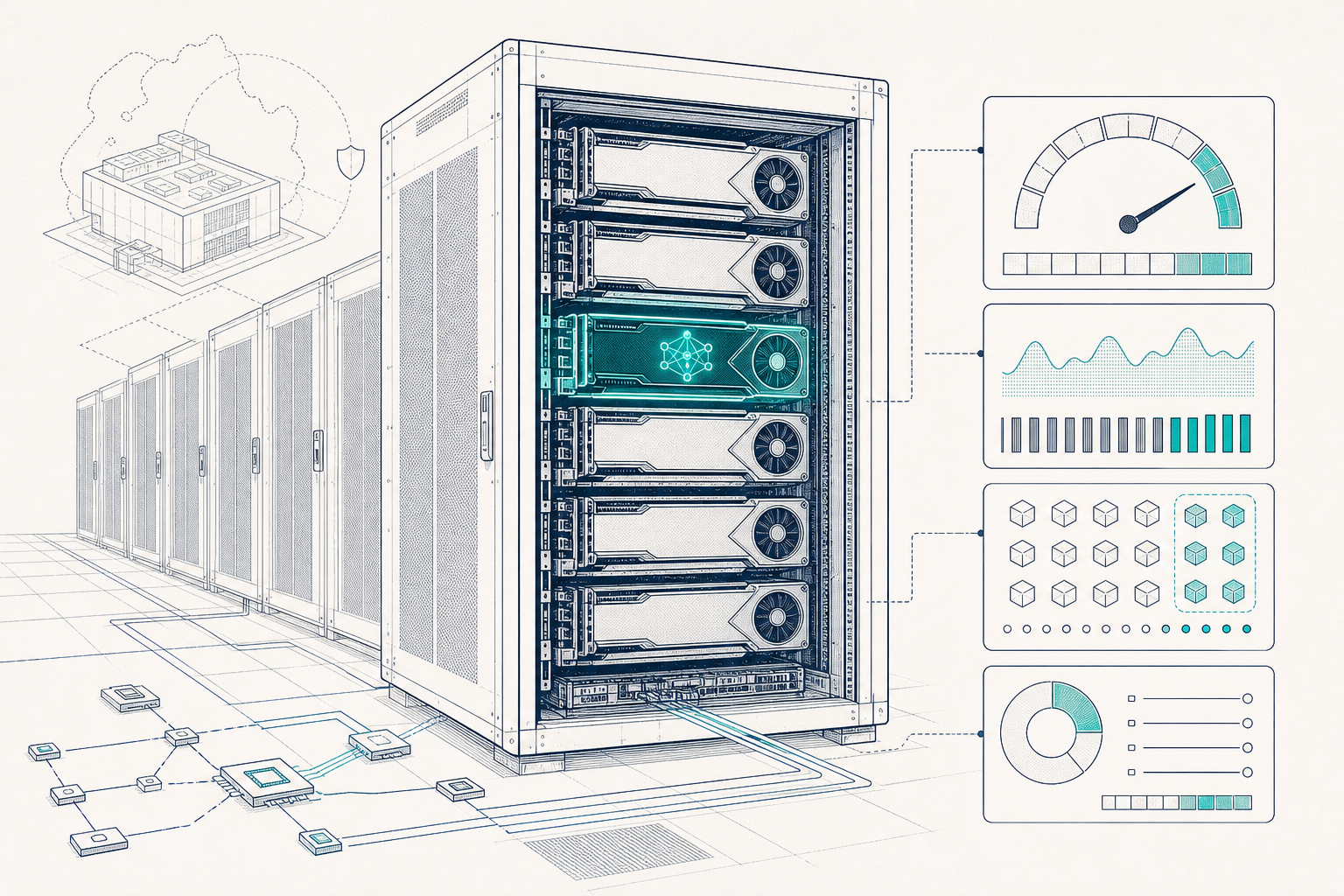
Single GPU agentic models shift the rack bottleneck
Xing4.0-29B-A4B makes agentic inference a single GPU planning problem, with VRAM, cache, tenancy, and metering now the operator constraints.
12 min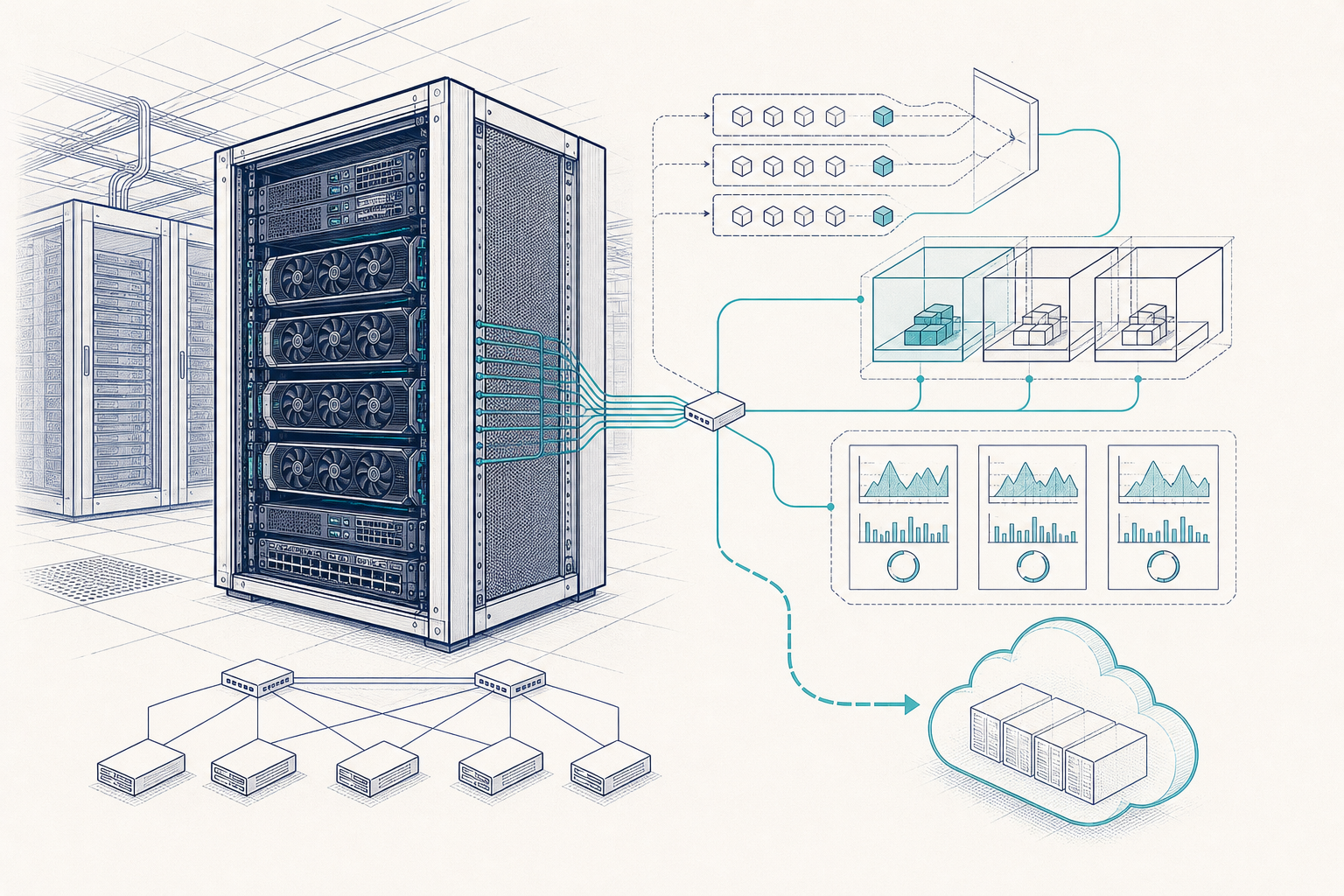
Modal valuation points to the local GPU control problem
Modal's reported $750M round shows demand for managed AI infrastructure. Local GPU estates need the same discipline for tenancy, queues, quotas, and spillover.
13 min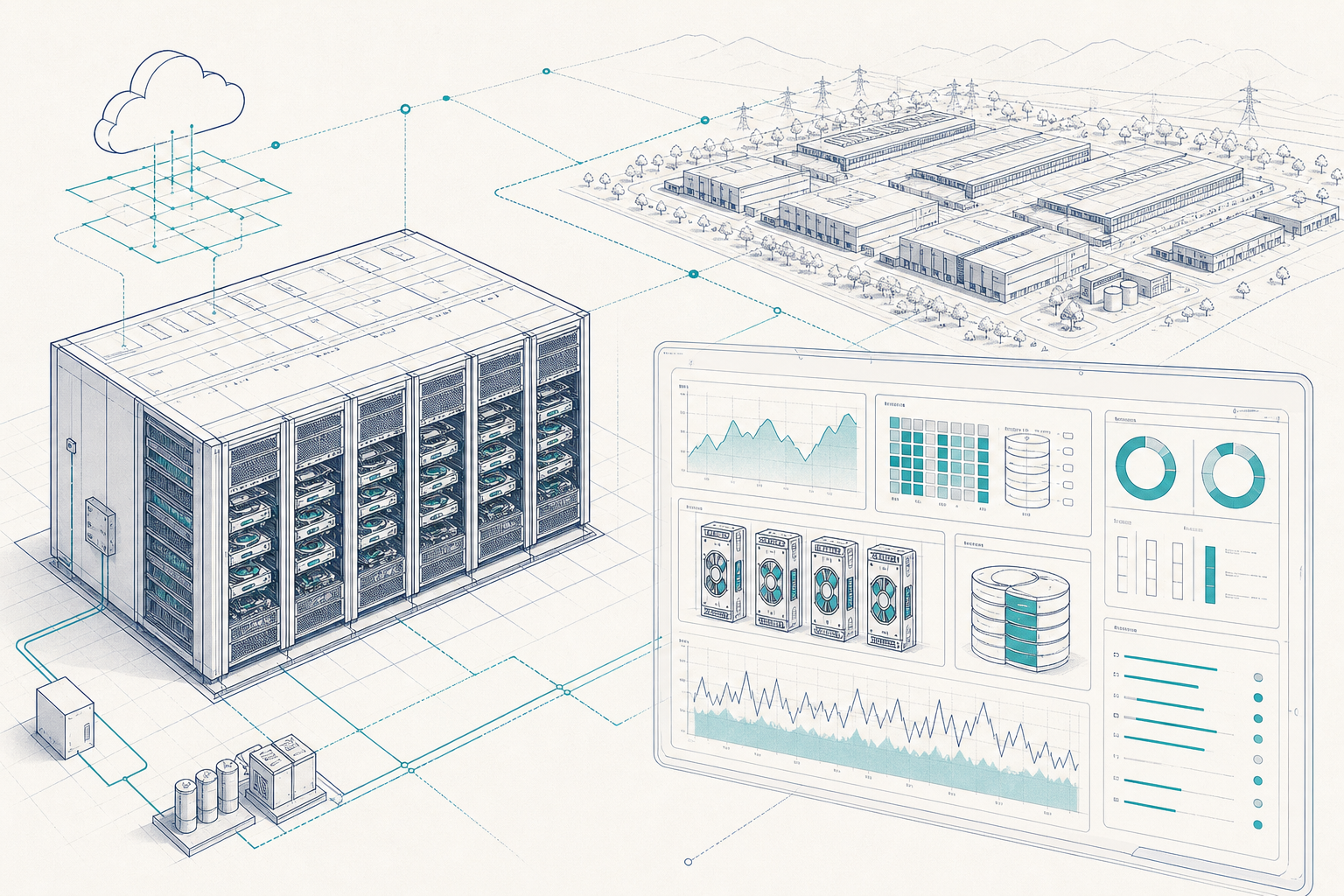
Nscale financing shows the GPU utilization problem
Nscale raised $3.36B before its IPO. Smaller GPU estates cannot answer with scale, they need scheduling, metering, quotas, and power discipline.
12 min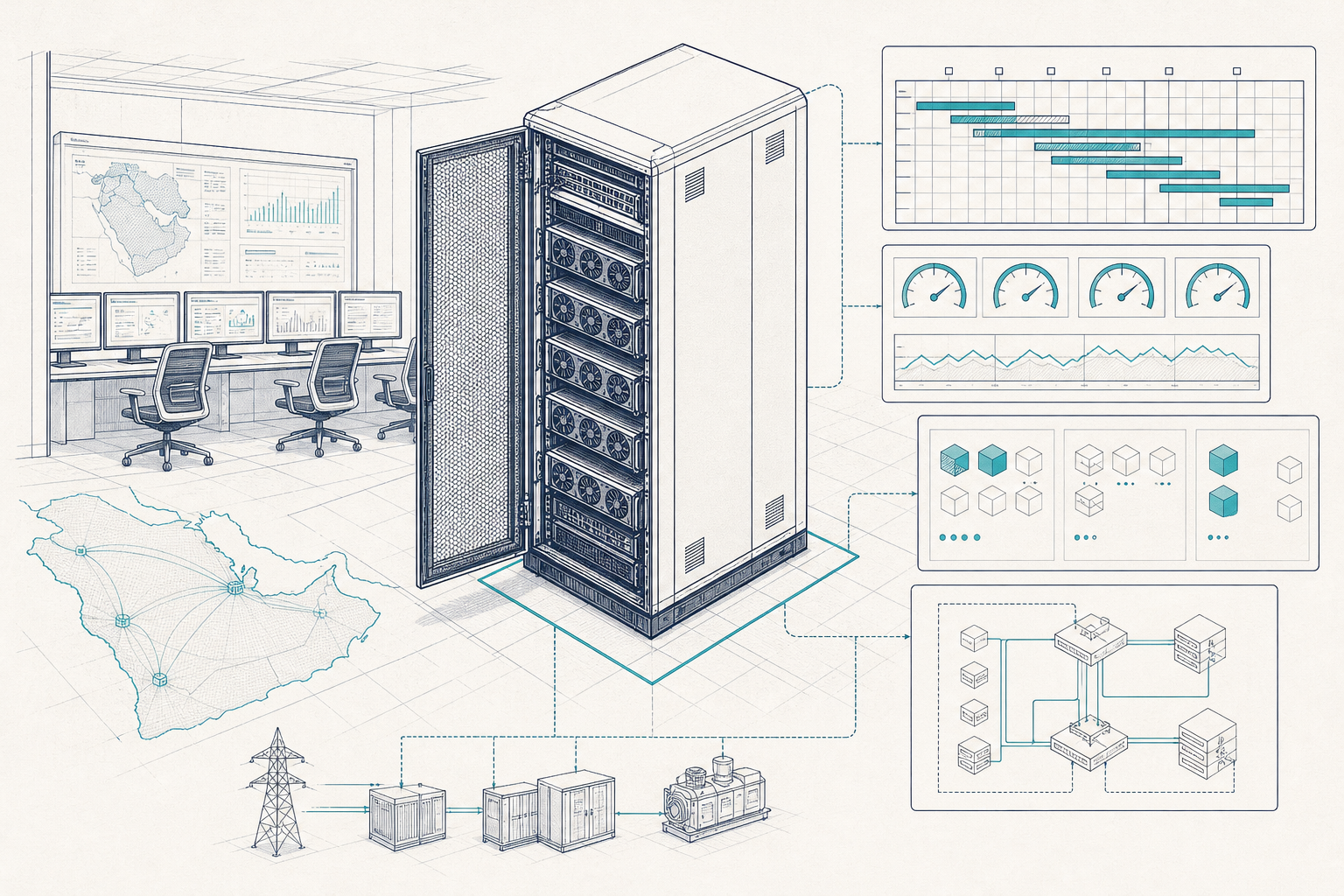
Anthropic Akamai Deal Tests GPU Capacity Planning
Anthropic's Akamai commitment shows why small GPU estates need hard utilization math before buying dedicated capacity.
13 min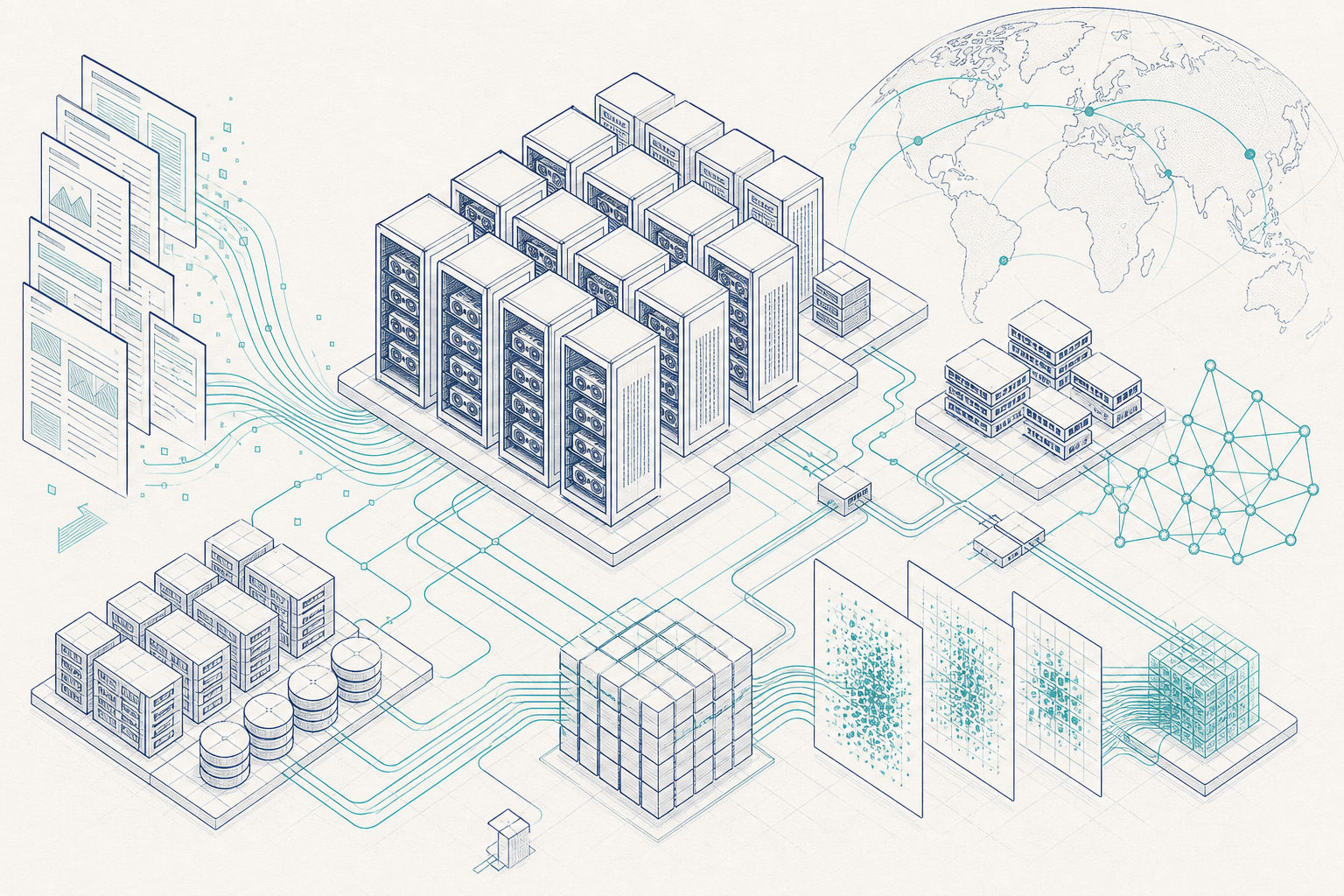
Firecrawl funding shifts pressure to GPU data planes
Firecrawl's $75 million Series B highlights a practical bottleneck: retrieval data can outgrow model weights and compete with inference.
12 min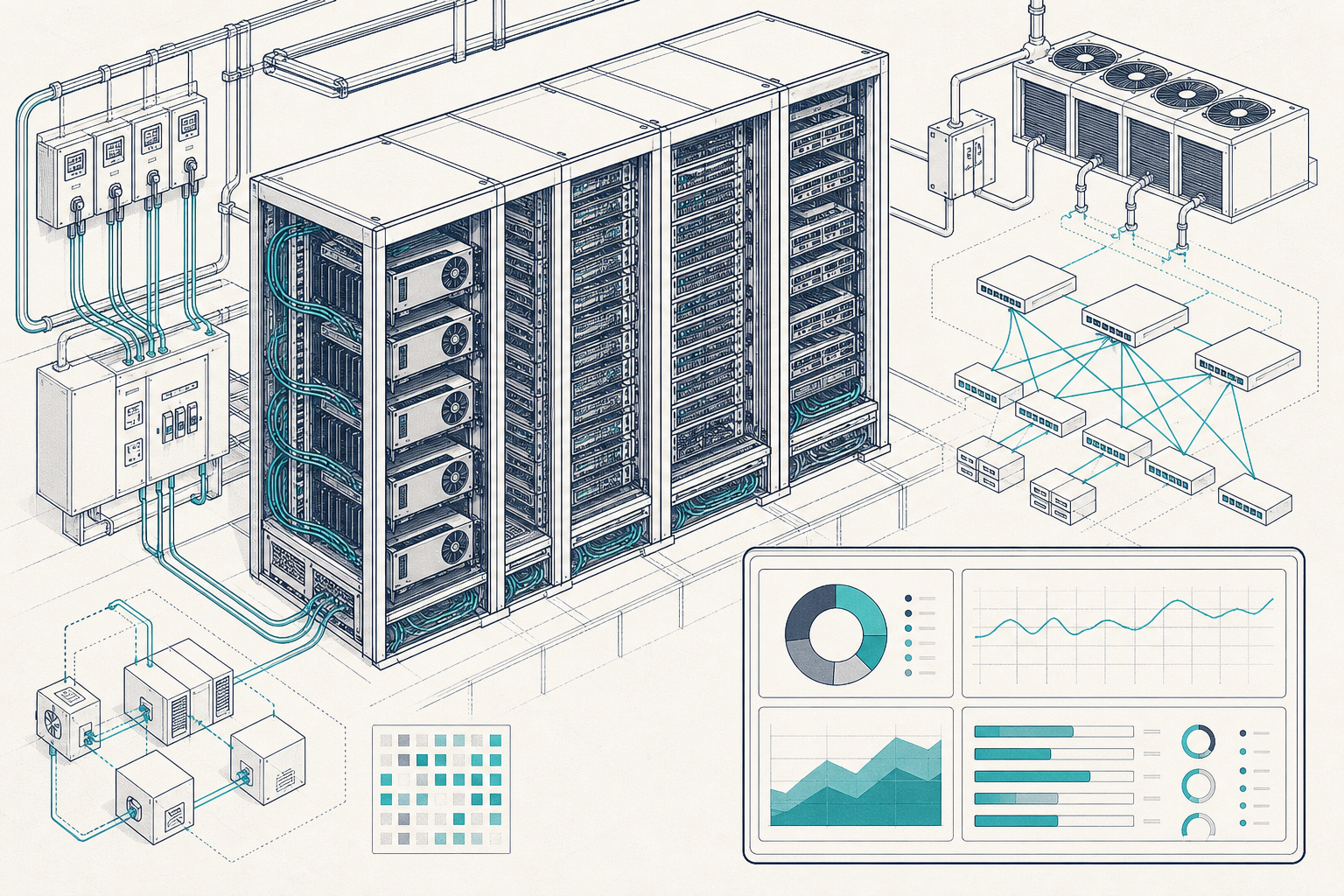
Cornelis funding puts heterogeneity on the operator desk
Cornelis raised $205 million to challenge Nvidia in AI infrastructure. For smaller GPU estates, the hard part is operating mixed hardware without losing utilization.
12 min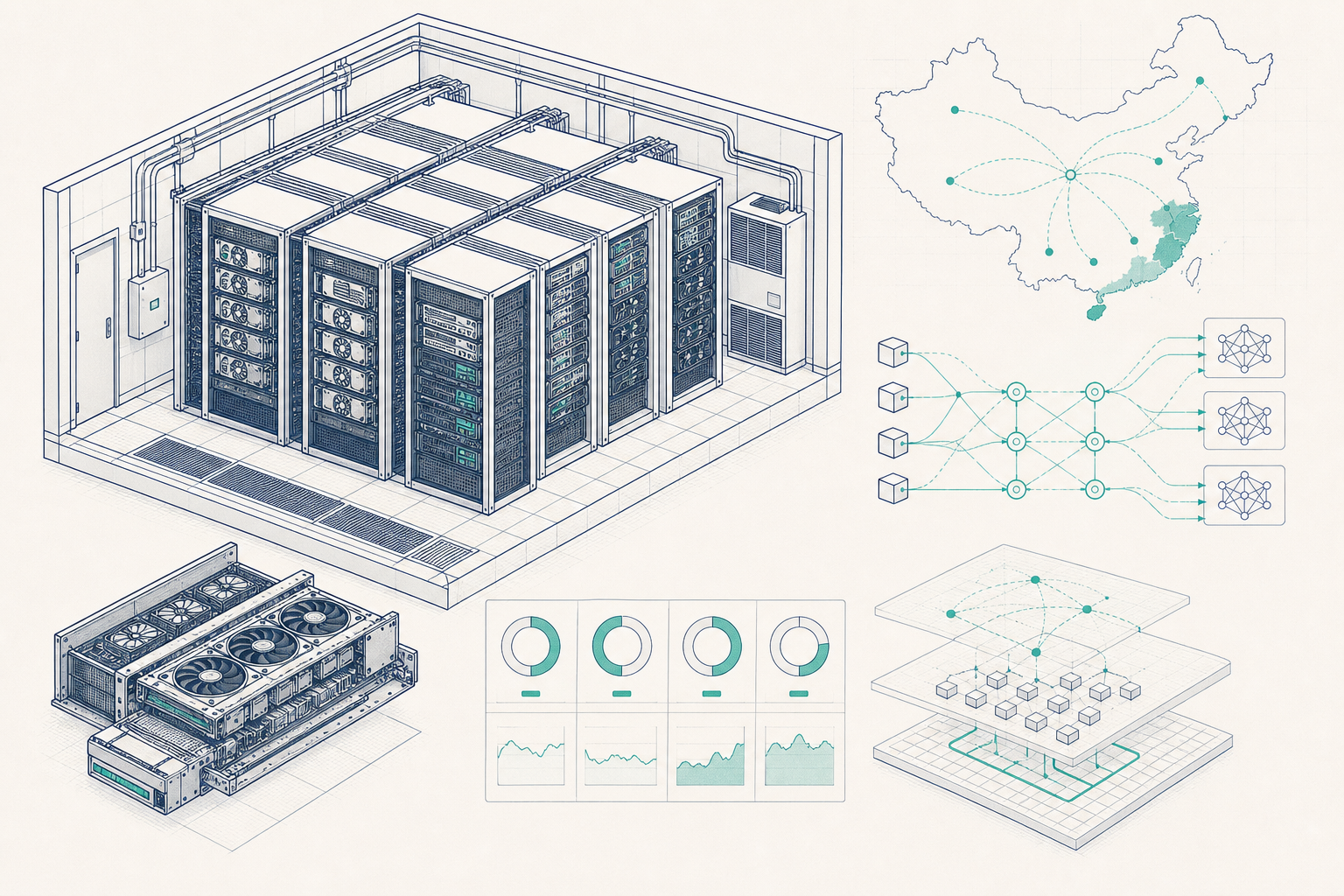
Xing4.0-29B-A4B Moves the Bottleneck to Serving
China Telecom AI released a compact MoE model for local deployment. For operators, the work shifts to VRAM, KV cache, batching, tenancy, and chargeback.
12 min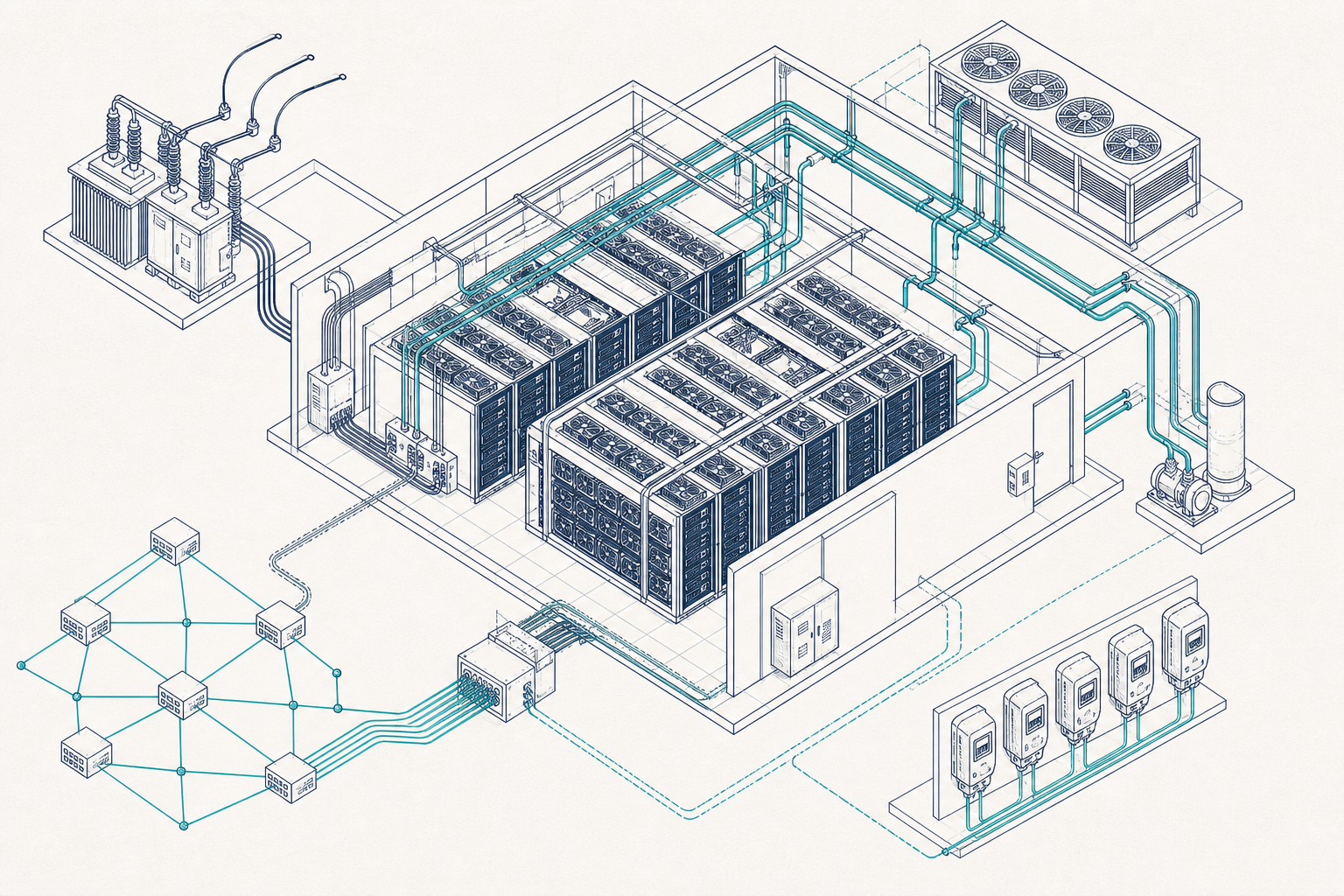
YC Demo Day points at power and network limits
Atomarine and Dipole Labs highlight two AI infrastructure constraints that smaller GPU operators must manage directly: power and east-west network utilization.
12 min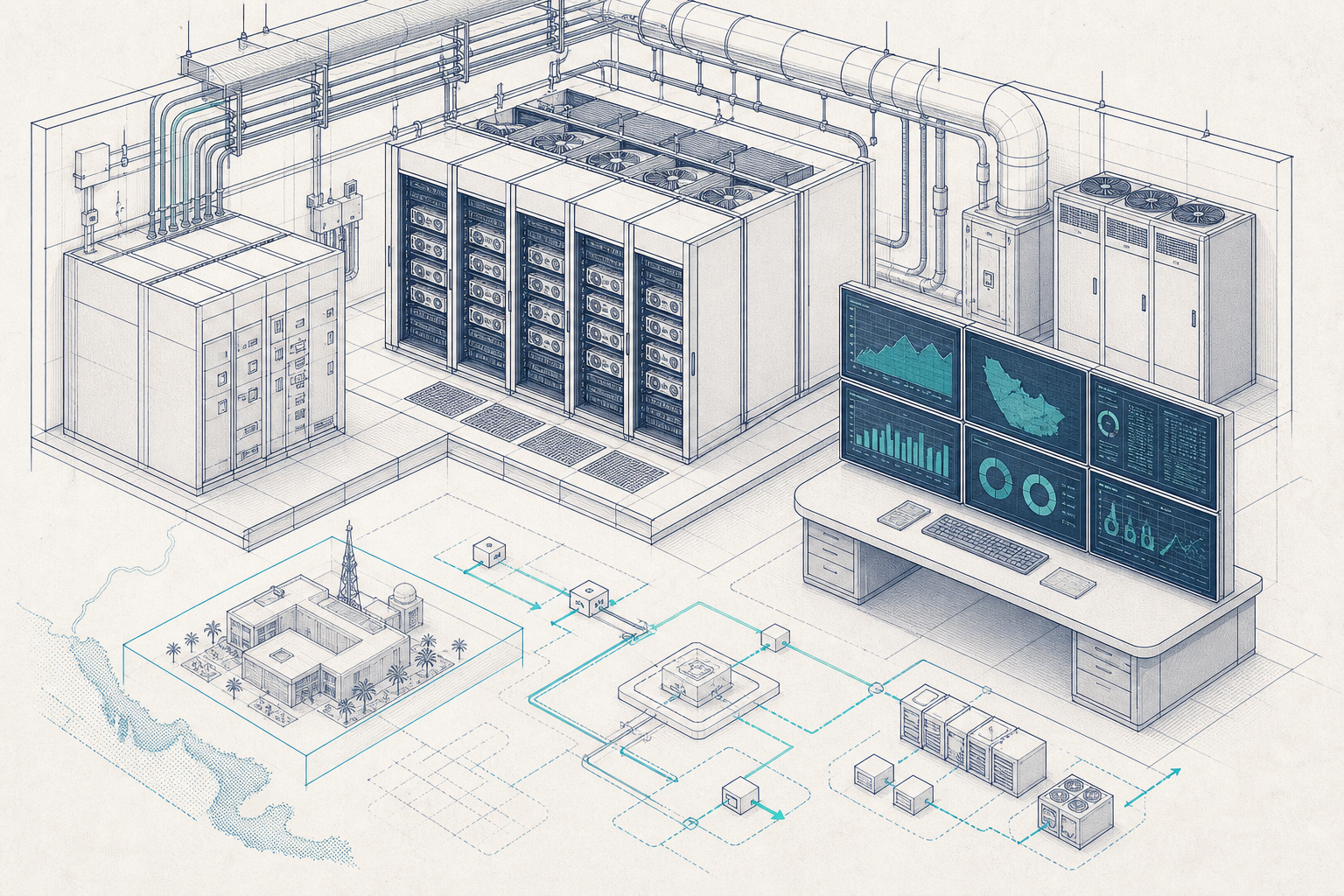
Nscale IPO plans reset the GPU estate math
Nscale is scaling toward public markets. Smaller GCC GPU operators need a different playbook: utilization, admission control, metering and sovereign operations.
13 min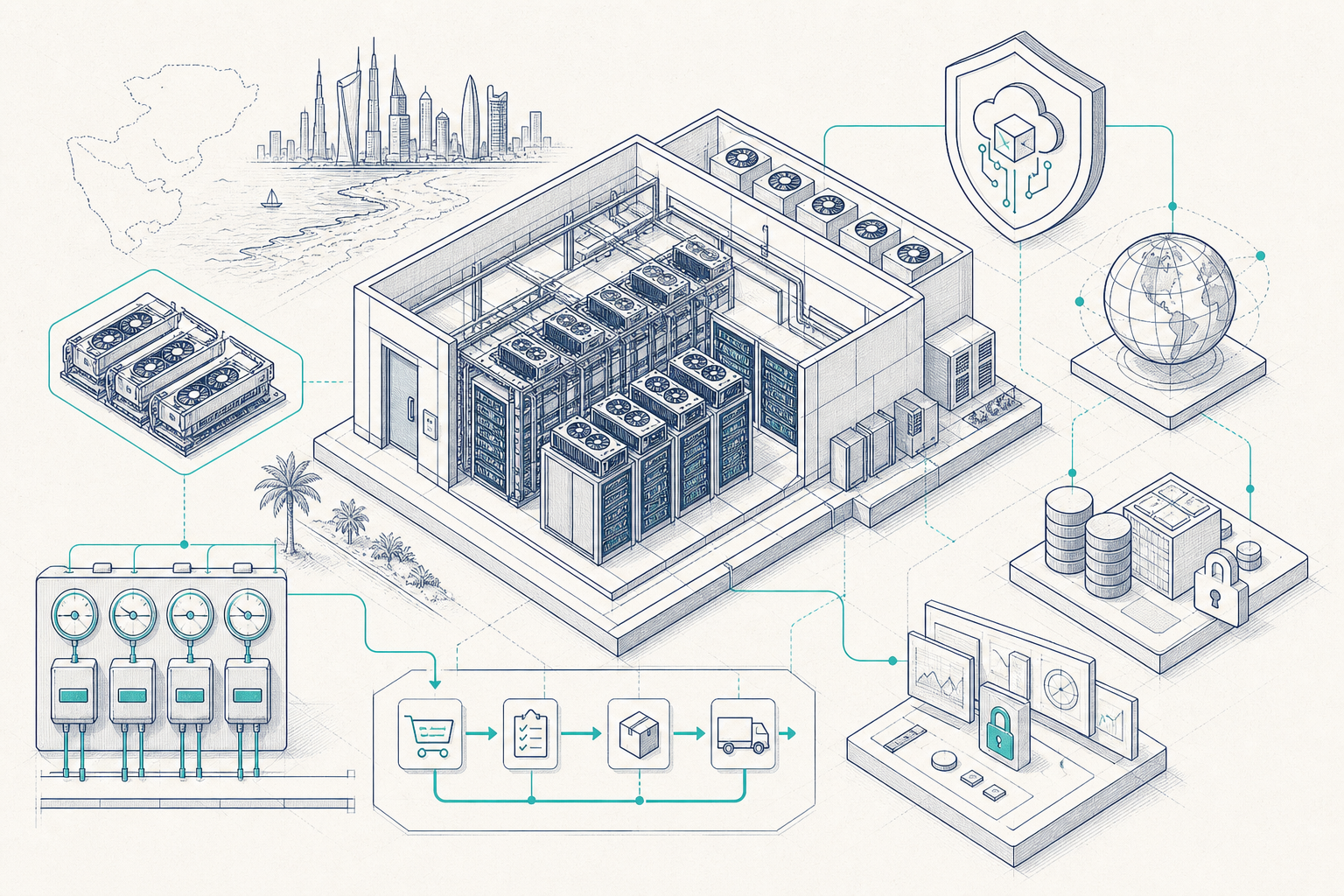
COFE Tech's AI round tests Gulf inference capacity
COFE Tech's $178 million valuation raises a practical question for Gulf operators: when do agent workloads justify dedicated inference capacity?
11 min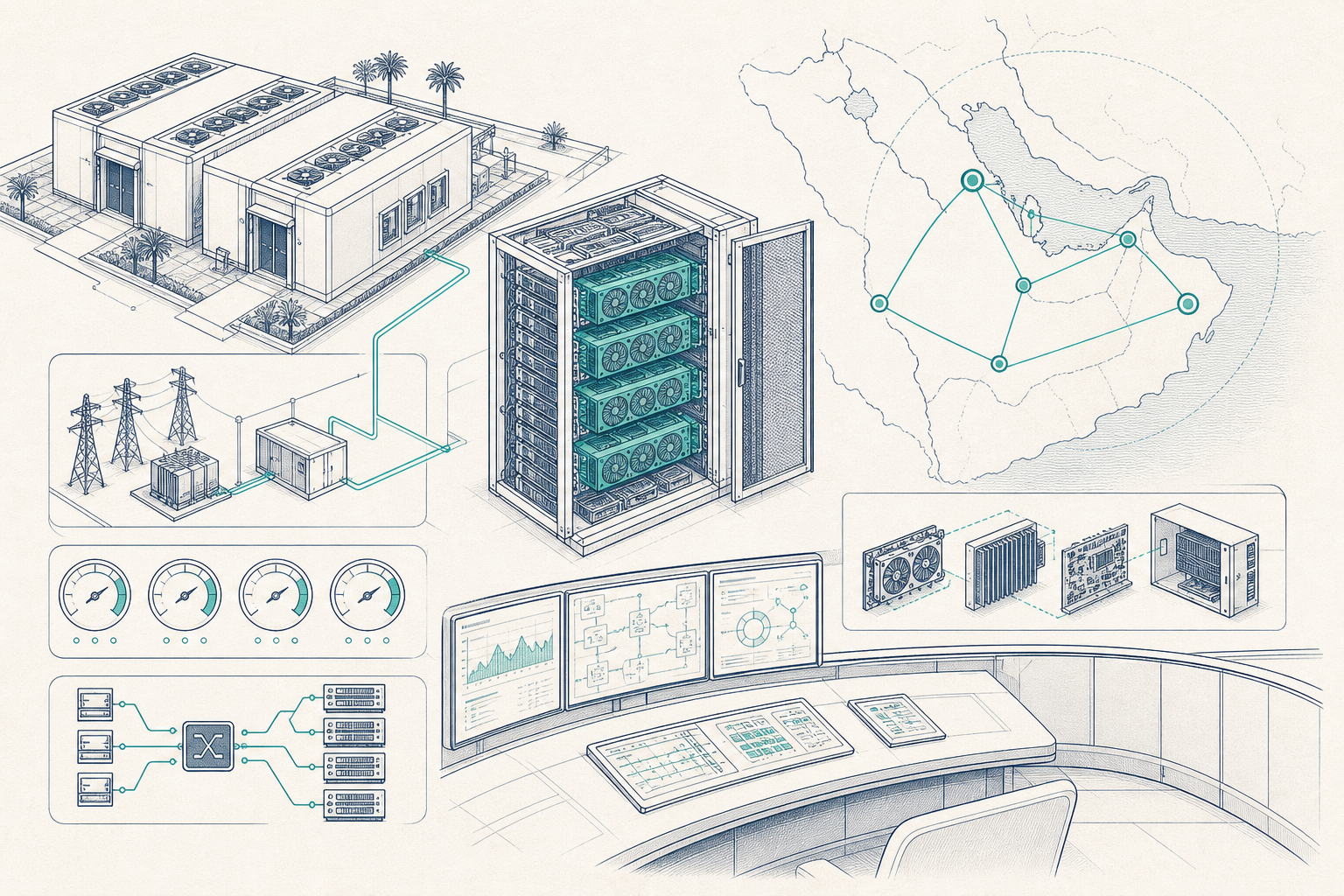
Crusoe funding puts modular AI on GCC agendas
Crusoe's $3.9B raise highlights distributed AI capacity. For GCC operators, the work is scheduling, storage, power, quotas, and chargeback across small sites.
12 min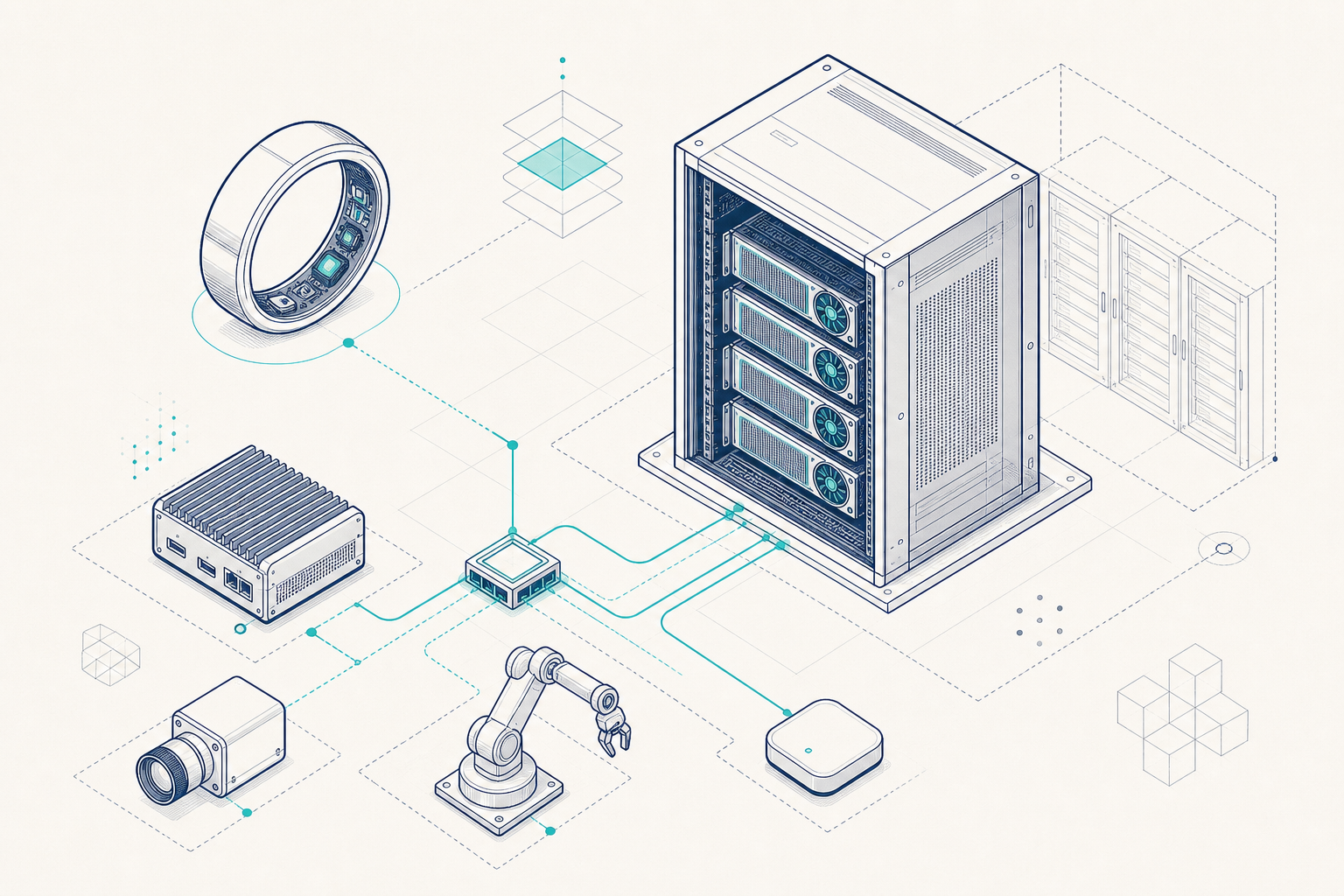
Qualcomm’s Ultrahuman bet shifts AI toward the edge
Ultrahuman’s $70M round is a signal for GPU operators: more device-side AI changes latency, residency, metering and tenancy assumptions.
13 min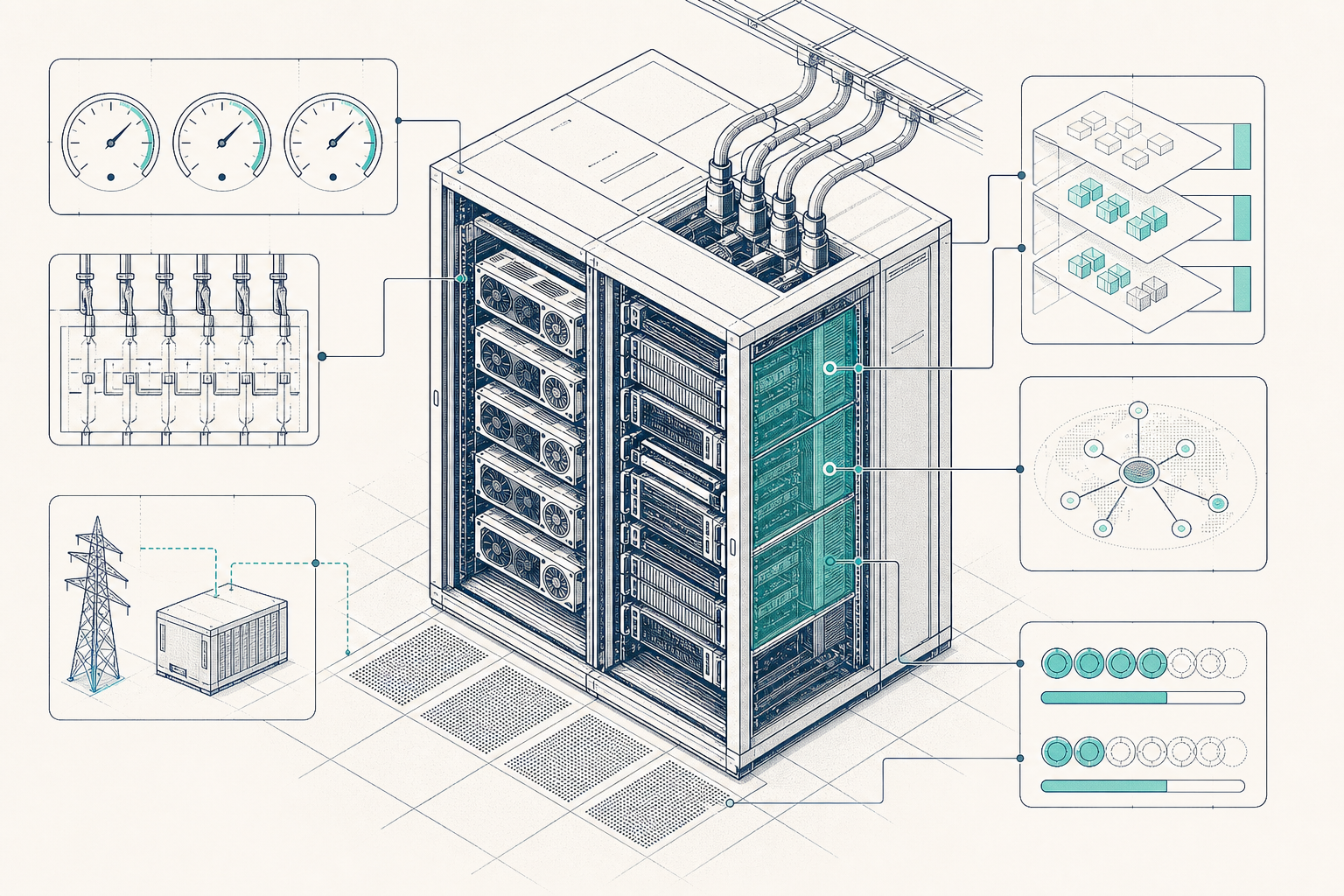
Harvey funding puts inference economics on the operator agenda
Harvey’s $550M raise is a reminder that enterprise AI demand becomes a sustained inference workload, not just a training story.
11 min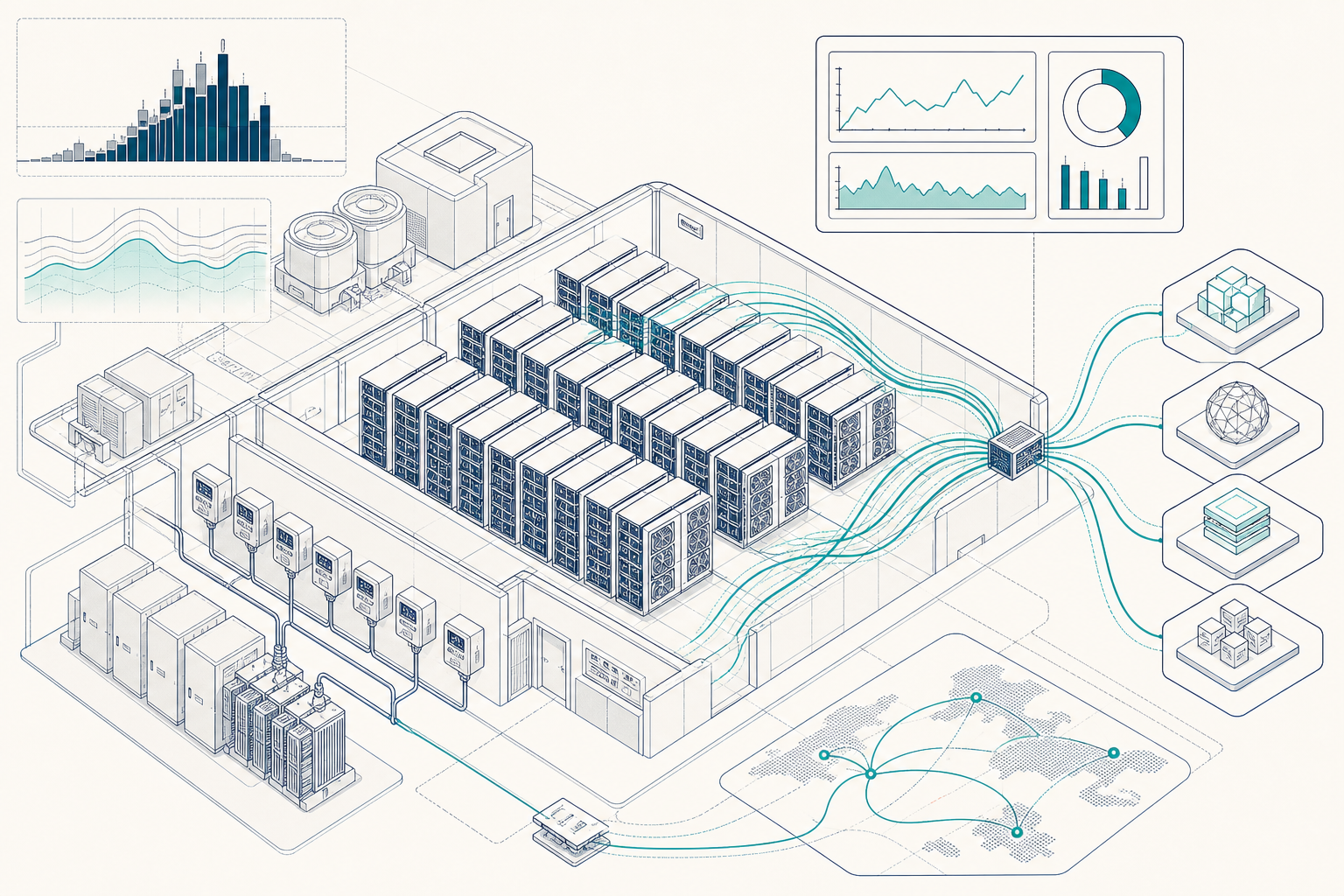
OpenAI’s Astra surge is a capacity-planning warning
A consumer AI demand spike can drain inference capacity. GPU operators need queues, quotas, reservations, burst policy and metering before the surge.
13 min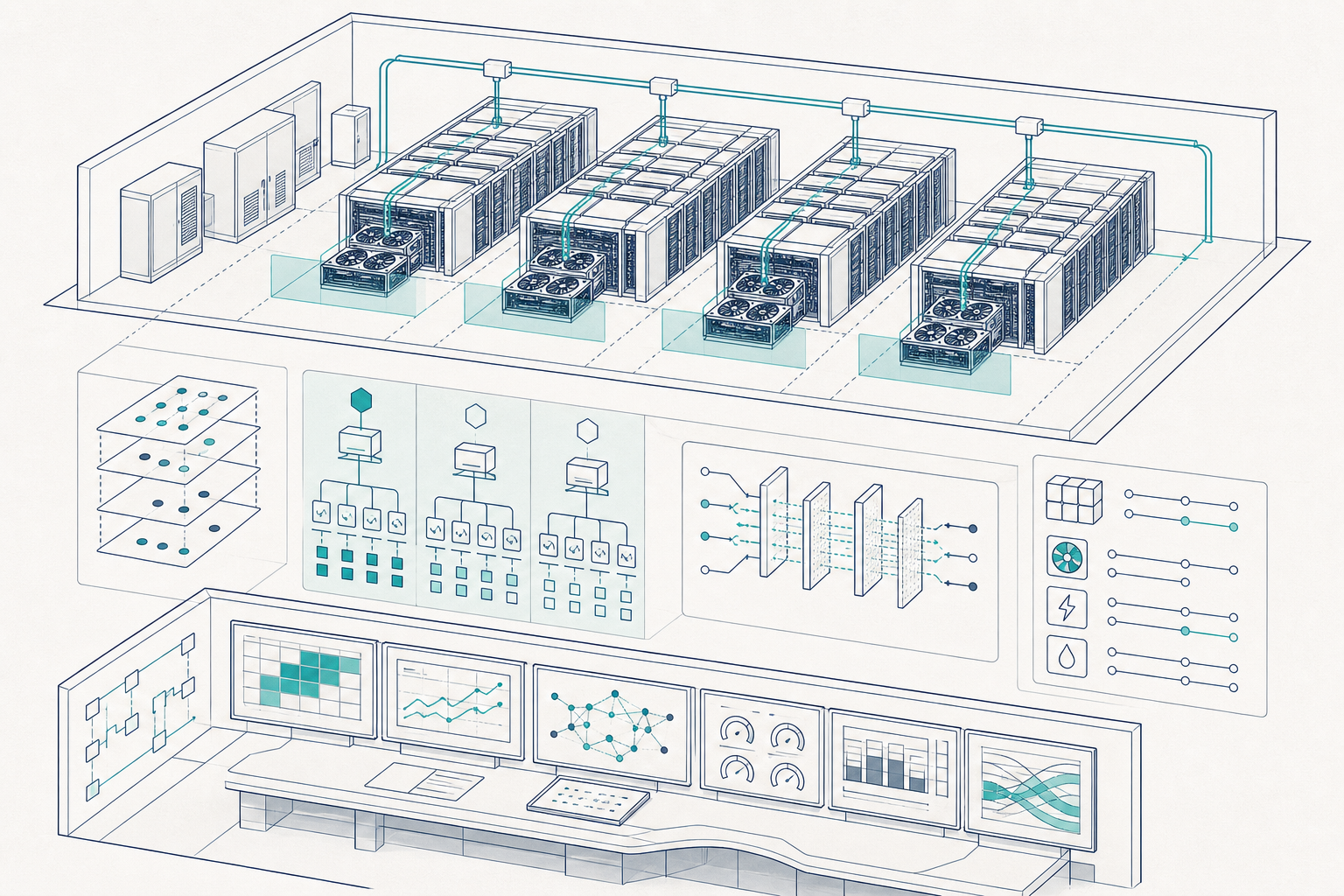
Claude and Cowork convergence raises the tenancy bar
When chat and agentic workspaces share one surface, GPU operators need admission control, metering and isolation before agents crowd out inference.
12 min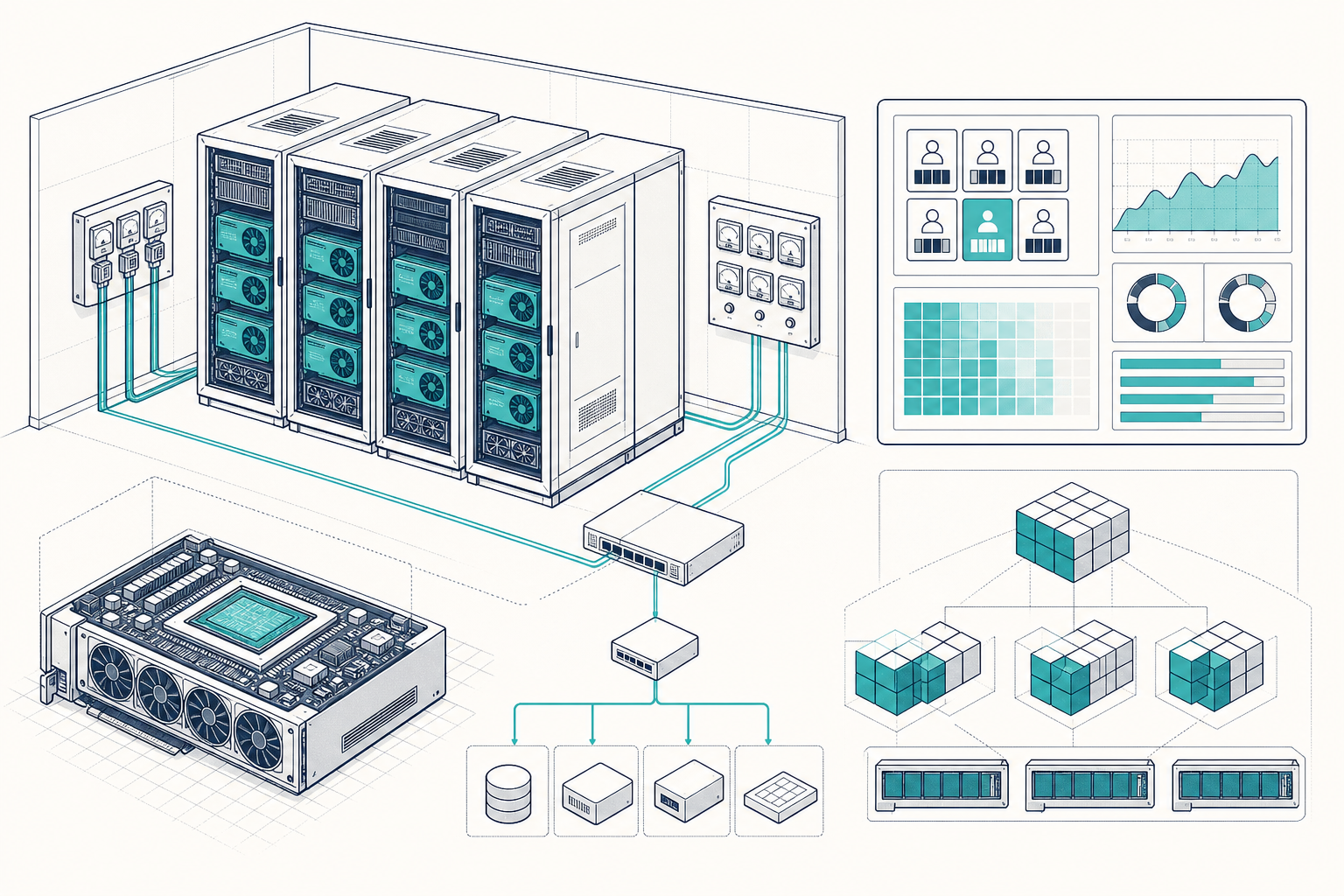
Distillation makes VRAM the operator bottleneck
Anthropic's reported distillation findings put attention on smaller models, VRAM fit, tenancy, quota design, and sovereign on-prem scheduling.
12 min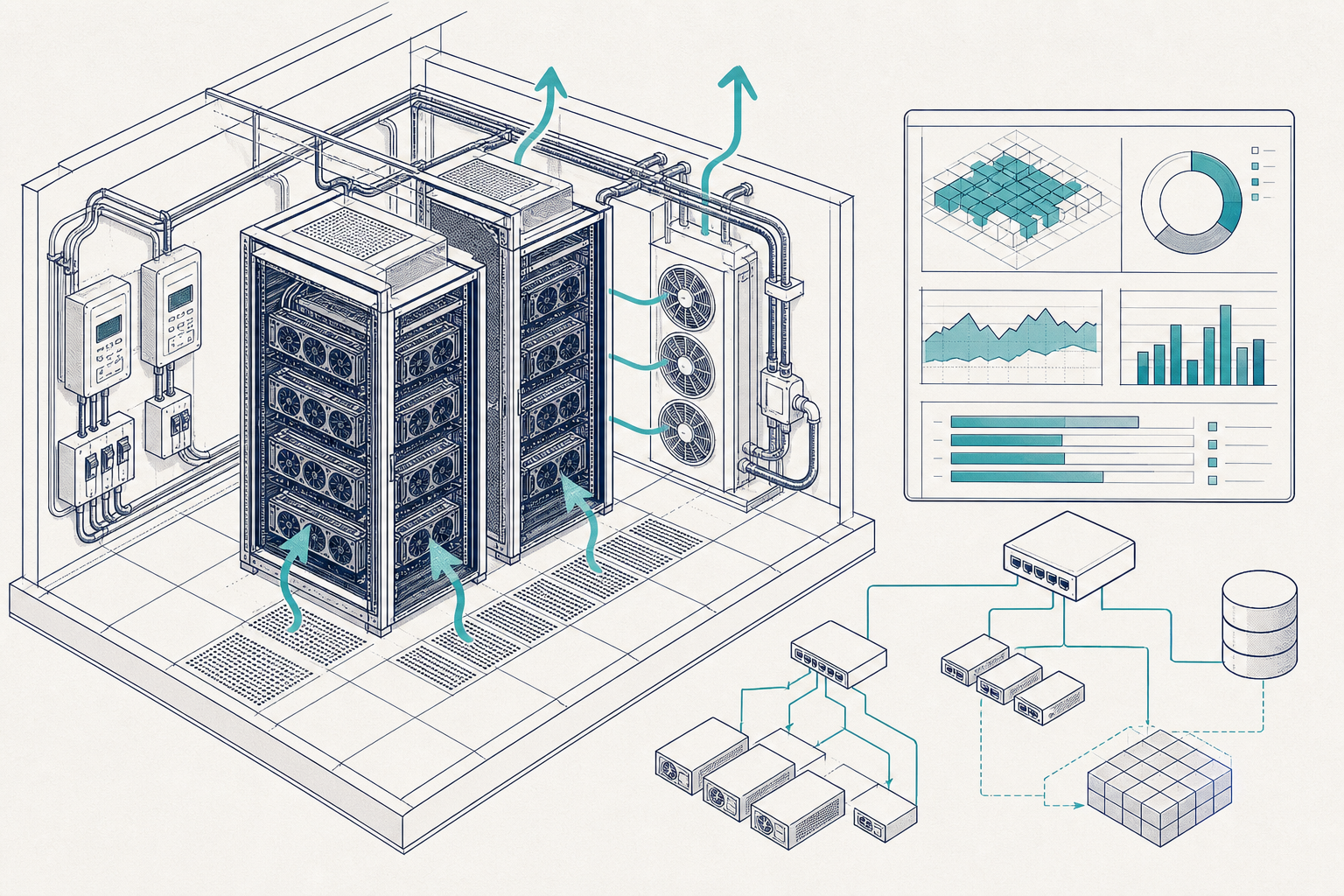
Crusoe’s $3.9B raise reframes GPU estate economics
What Crusoe’s data center and modular AI factory plan means for smaller GPU operators planning power, tenancy, metering, and inference margins.
13 min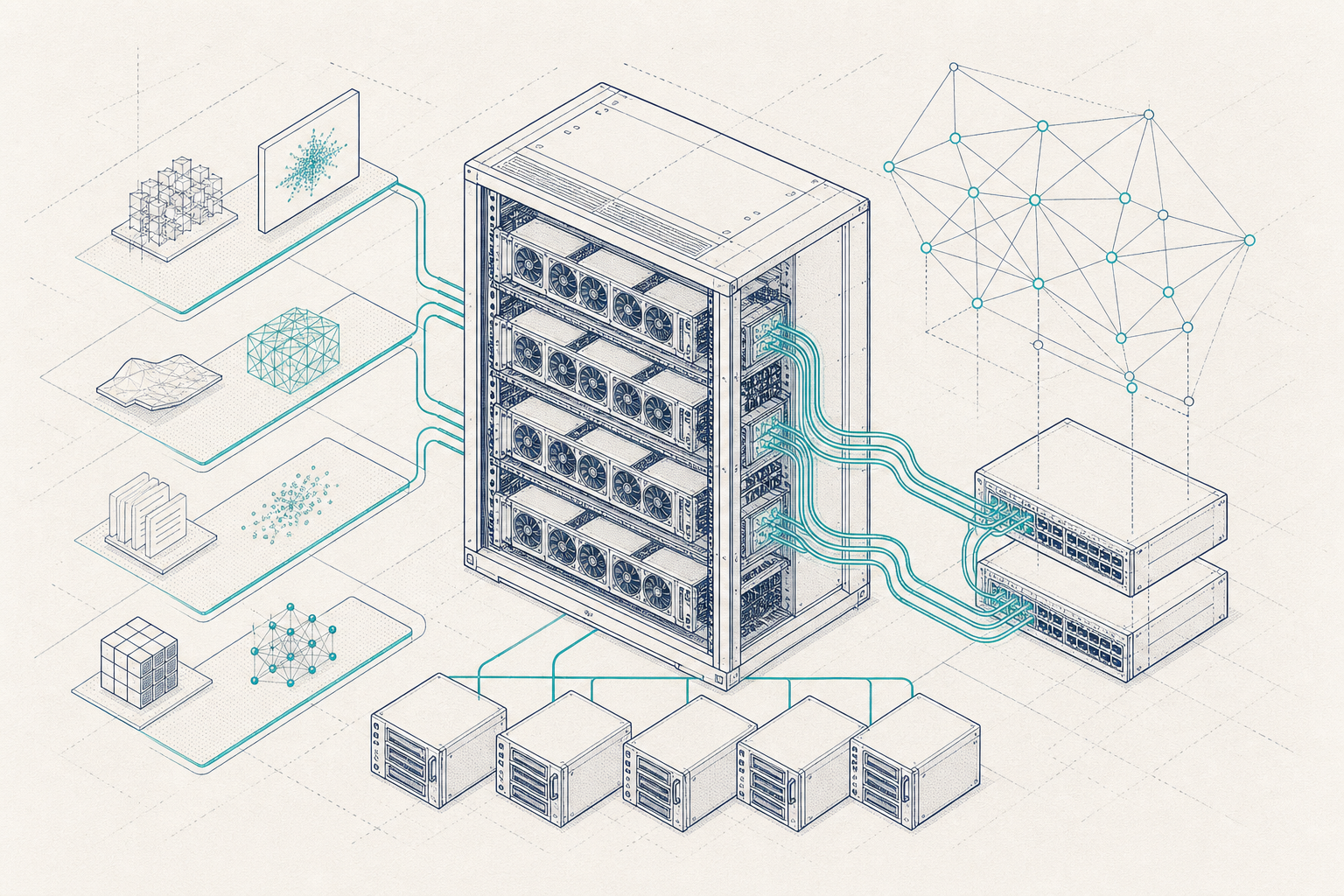
Cornelis funding puts GPU fabric waste back in view
Cornelis raised $205M for AI networking fabric. For smaller GPU estates, the test is whether fabric, scheduling and storage lift billable utilization.
12 min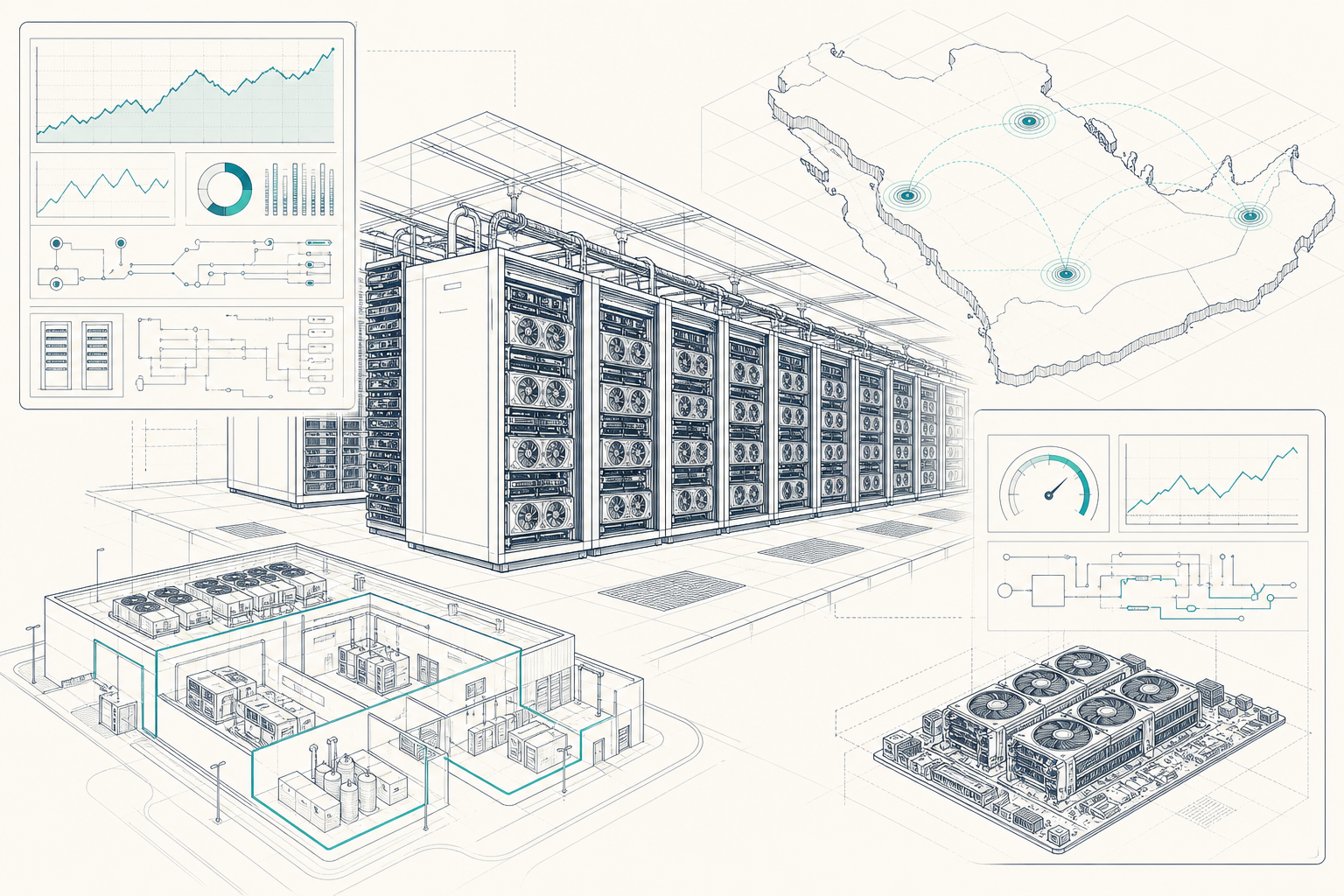
GPU price indices expose GCC placement costs
Open GPU price indices such as Infrabase.ai show that local GCC GPU estates need defensible pricing, utilization, placement and chargeback.
13 min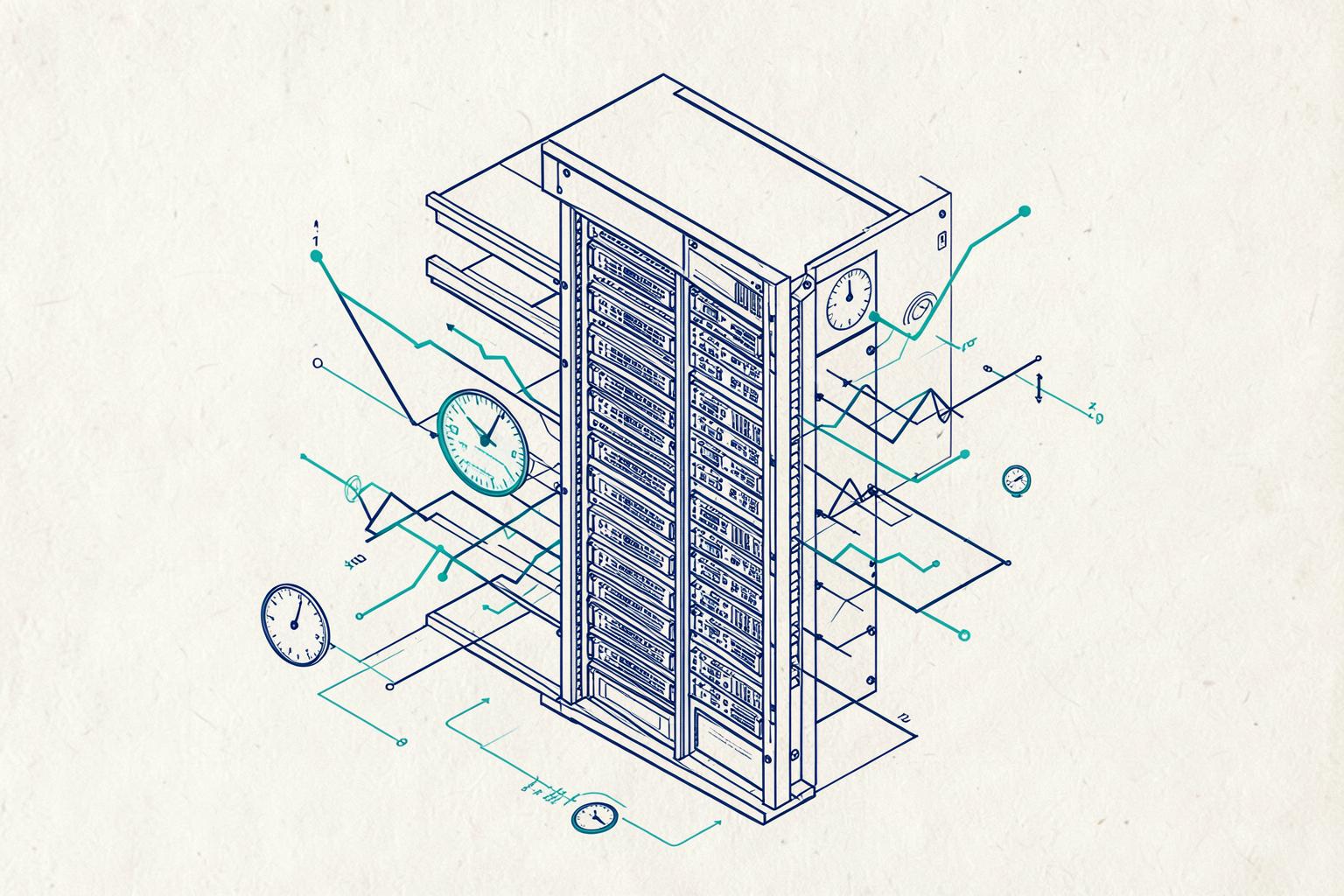
nvidia-smi for cluster operators: from CLI to automated fleet telemetry
A field guide to utilization, power and thermals across racks, and where manual polling stops scaling.
12 min